
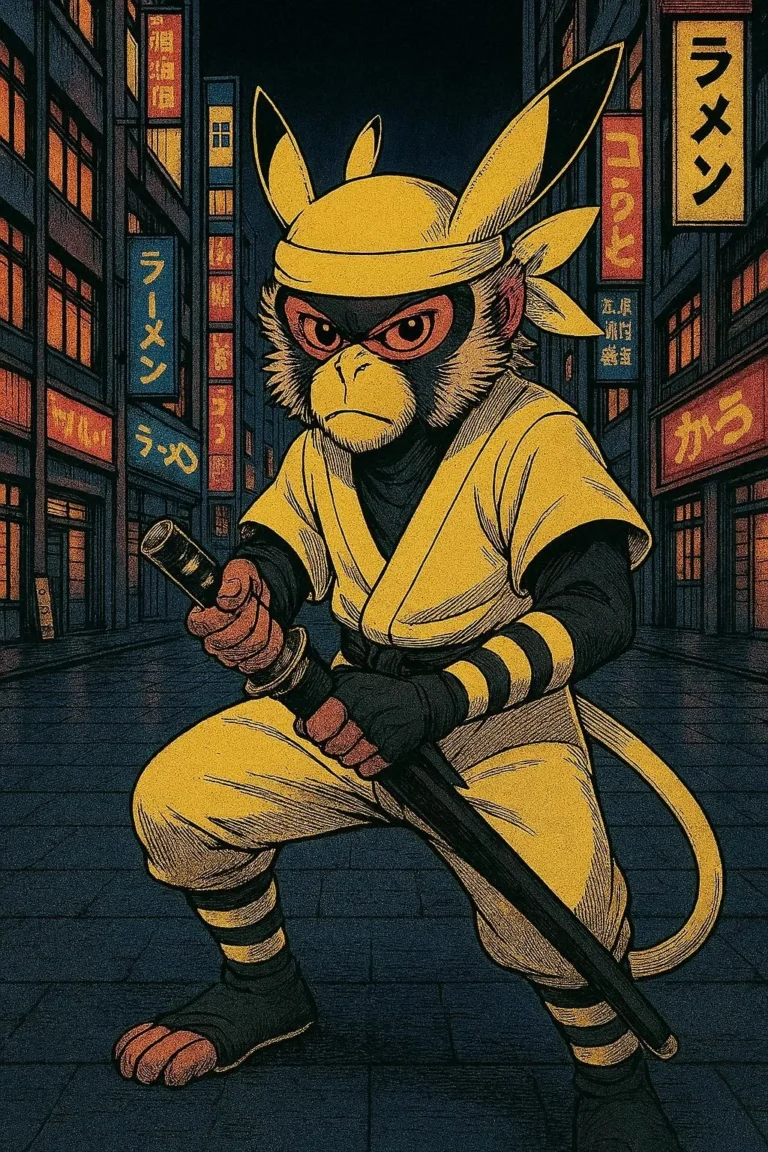
Meet: Macacotsu
That’s how Japan would be if it was a superhero:
Macacotsu
Population:
122.427.731,00 inhab
Pop. Growth:
-2,49 %
Area:
364.555,00 km2
Density:
336,00 hab/km2
Wealth:
32.487,10 $/person
Literacy:
99,00 %
Largest city:
Tokio - 33,412,512 inhab
Urban population:
93,40 %
Life expectancy:
85,15 years
Average age:
50,20 years
Highest peak:
Monte Fuji - 3,776 m
Largest river:
Shinano - 367 km
Rainfall:
1.668,00 mm/m2
What are the defining characteristics of Japan?
The country of Macacotsu
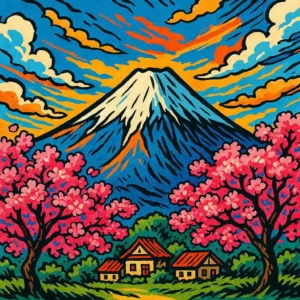
Mount Fuji
Mount Fuji rises majestically, its conical silhouette dominating the landscape. Its serene beauty inspires a sense of peace and contemplation.
Nature
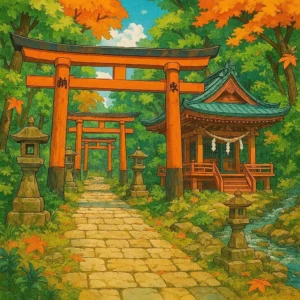
Shintoism
Shinto, an animist religion, sees the divine present in nature and the world around us.
Culture
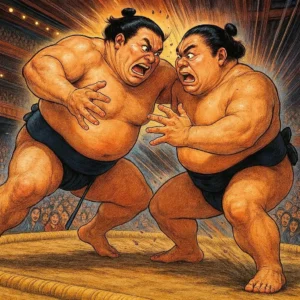
Sumo
Sumo is a very ancient Japanese wrestling sport. Two wrestlers try to push each other out of a circle or make any part of their body other than the soles of their feet touch the ground.
Sport
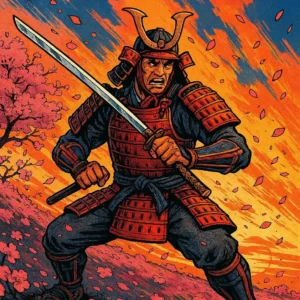
Samurai
A samurai is a Japanese warrior who adheres to a strict code of honour, is devoted to loyalty, and possesses martial skills.
History

Sushi
Sushi is a traditional Japanese dish made with rice and fresh, raw ingredients.
Cuisine
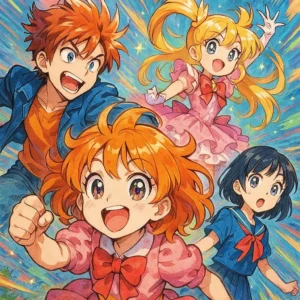
Anime and manga
Anime and manga are Japanese art styles with unique and captivating aesthetics.
Nature
Japan: featured
The file of Macacotsu tells us...
Japan
Official language(s): Japanese
Currency: Yen
Government: Constitutional monarchy
Main religion: Shintoism
Demonym: Japonese
Tokyo
Hab. 33,412,512
Tokyo, a fascinating metropolis in Japan, combines the modern skyscrapers of Shinjuku with the serenity of ancient temples such as Senso-ji in Asakusa. Cross the iconic Shibuya crossing, explore the cutting-edge fashion of Harajuku and immerse yourself in the technology of Akihabara. A vibrant blend of tradition and the future!
Osaka
Hab. 18,873,900
Osaka is a feast for the senses. Renowned as the ‘kitchen of Japan’, its streets are brimming with life, from the bustling Dotonbori with its iconic neon signs to the serene Osaka Castle, a witness to centuries of history. It is a melting pot of culture and modernity, where gastronomy and architecture come together.
Nagoya
Hab. 9,511,730
Nagoya, a vibrant city in Japan, is strategically located on the Pacific coast. It is the country’s fourth most populous city and a driving force behind the automotive industry. It is renowned for its impressive castle, art museum and science centre, as well as its rich culinary scene and nightlife.
Tsu
Hab. 274,879
Tsu, the vibrant capital of Mie, is a coastal gem. Nestled along the shores of Ise Bay, it offers spectacular seascapes and a rich history. Visit Tsu Castle, take a stroll through Oike Park, or explore the Mie Prefectural Museum. A perfect blend of nature and culture awaits you!
Archipelago
Japan is an island nation in East Asia, comprising a vast archipelago. Its main islands are Honshu, Hokkaido, Kyushu and Shikoku, but the country consists of more than 6,000 islands. Many of these islands are small, and some are uninhabited.
Volcanoes
Japan has significant volcanic activity, with over 100 active volcanoes. Mount Fuji is the best known of these and serves as a national symbol. This intense seismic and volcanic activity is due to the country’s location on the ‘Pacific Ring of Fire’, a geologically very active zone.
Montains
Japan is a predominantly mountainous country, with over 70% of its land area consisting of mountains. This feature limits the amount of flat land available, which has led to dense, high-rise urban development in many of its cities. The topography has a direct influence on the way communities settle and thrive in this environment.
Neighbouring countries
Superheroes who help each other
Japan no tiene paises limitrofes por tierra.
To take away
Would you like a hard copy?
One Japan worksheet, ready to print. You print it, curiosity does the rest.