
Gotthard Tunnel
Gotthard Tunnel: The Underground World Champion
Have you ever wondered how trains cross majestic mountain ranges without breaking a sweat? The answer, in many cases, lies underground, and one of the modern engineering wonders that makes this possible is the Gotthard Tunne. Located in the heart of the Swiss Alps, this colossal project is not just a tunnel; it is a vital artery connecting northern Europe with the south, cutting through the imposing rock mass of the Saint Gotthard massif. We are talking about a project that redefines the limits of what is possible in underground construction. The Gotthard Tunnel, which opened in June 2016 after 23 years of construction, has transformed travel between Switzerland and Italy.
Geography of a Gigantic Engineering Work
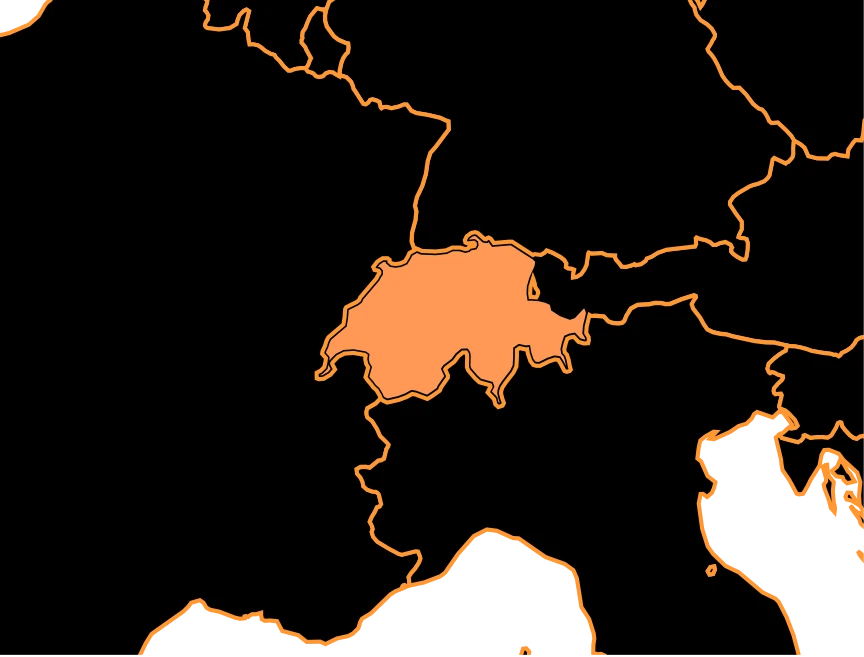
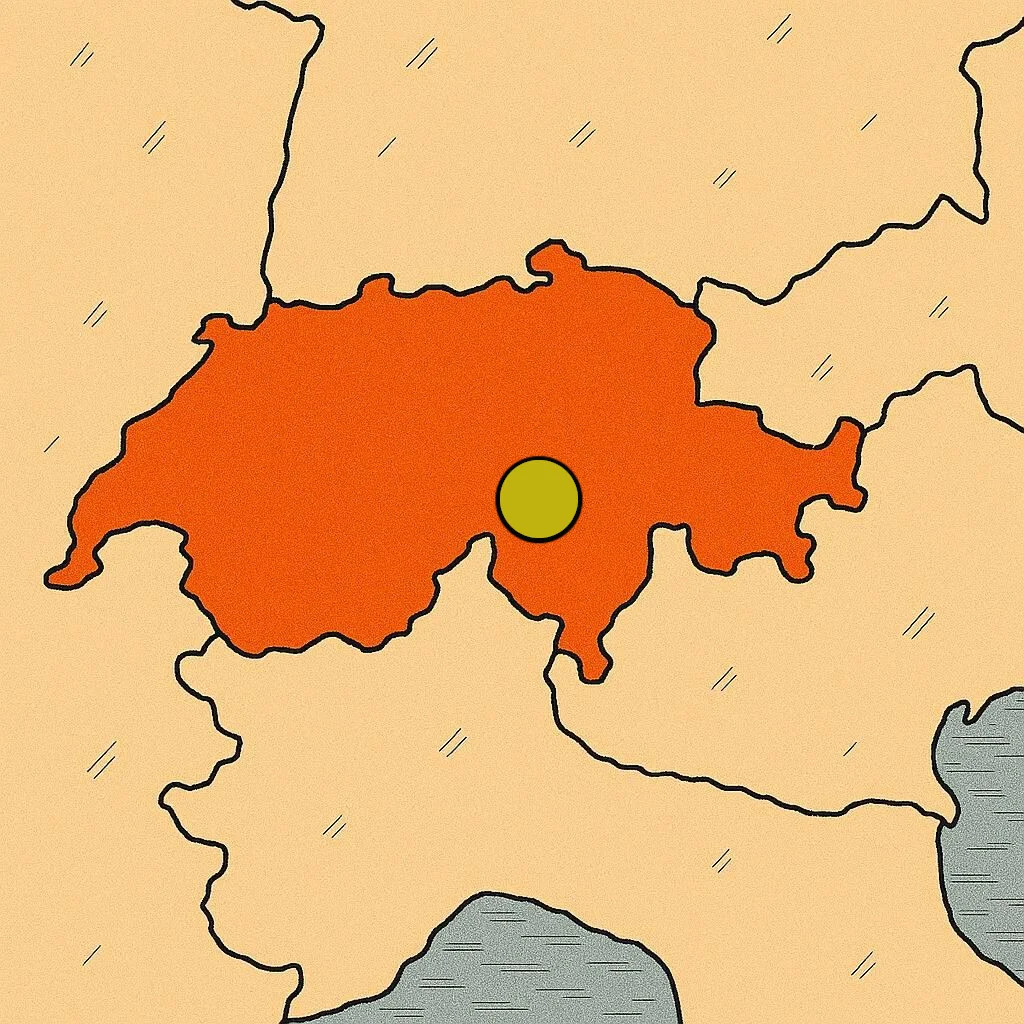
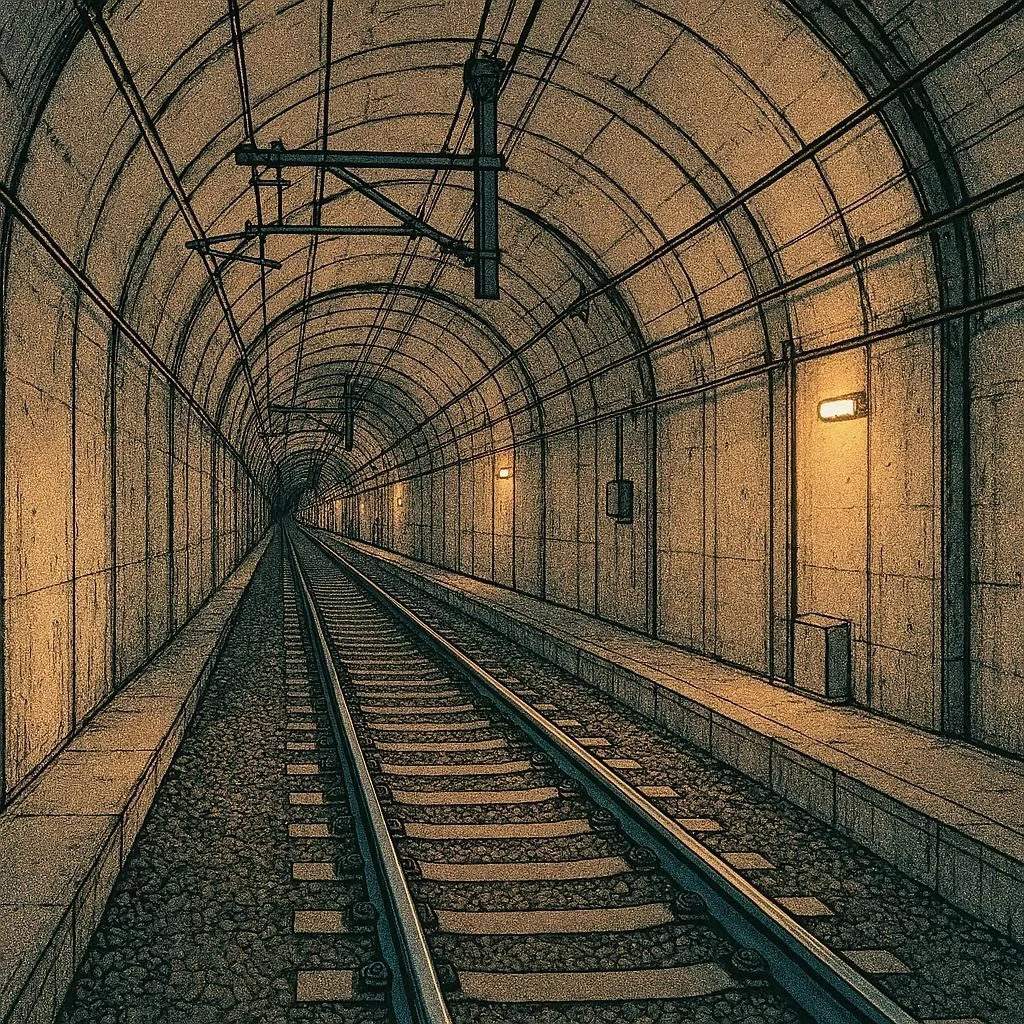
The Gotthard Tunnel runs along the border between the Swiss cantons of Uri and Ticino. Its main route begins near the town of Erstfeld, in northern Switzerland, and ends in Bodio, in the south, near the Italian border. The passage goes deep beneath the Saint Gotthard massif, an Alpine region known for its steep and challenging terrain. The geology of the area features a variety of rocks, from hard granite to softer schist, which posed a considerable challenge for the engineers and workers who took part in its excavation. The tunnel is not a single straight gallery, but consists of two parallel tunnels, each carrying one direction of traffic, interconnected by 47 cross-passages. Construction was carried out through a complex system of access shafts and service tunnels, allowing heavy machinery to be deployed and excavated material to be removed efficiently. At its deepest point, the tunnel lies about 2,300 meters below the surface, an impressive depth that gives an idea of the scale of the task completed.
The World Champion: The Longest Railway Tunnel on the Planet
What elevates the Gotthard Tunnel to “world champion” status is its undisputed record: it is, and until recently has been, the longest railway tunnel in the world. With a total length of 57.09 kilometers, it surpasses any other similar structure built for passenger and freight transport. This monumental achievement is not just a matter of distance, but of the boldness and skill required for its design and execution. The planning and construction of a tunnel of this scale involved decades of work, technological innovation, and a massive investment of resources. Imagine the complexity of excavating and lining nearly 60 kilometers of solid rock while at the same time ensuring safety, proper ventilation, and the infrastructure needed for trains to travel at speeds of up to 250 kilometers per hour. The tunnel’s length is crucial because it minimizes gradients and curves, allowing freight trains to carry more goods more efficiently and passenger trains to significantly reduce travel times across the Alps. Before the Gotthard Tunnel existed, crossing the Alps by rail involved longer routes with steeper gradients, which limited traffic capacity and speed. This tunnel, built at low altitude, virtually eliminates the ascent and descent of the mountains, optimizing transport flow. The construction of this marvel of modern engineering not only demonstrates humanity’s ability to overcome formidable natural obstacles, but also represents a milestone in the history of transport, strengthening connectivity and efficiency in the heart of Europe and cementing its title as the undisputed champion in its category.