
Tikal
Tikal: A Maya Legacy in the Heart of the Petén Jungle
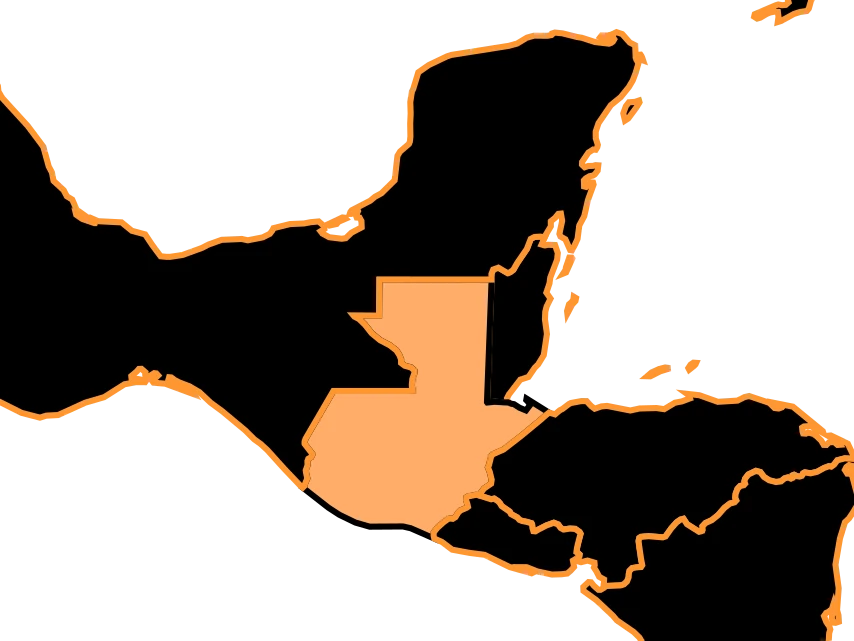
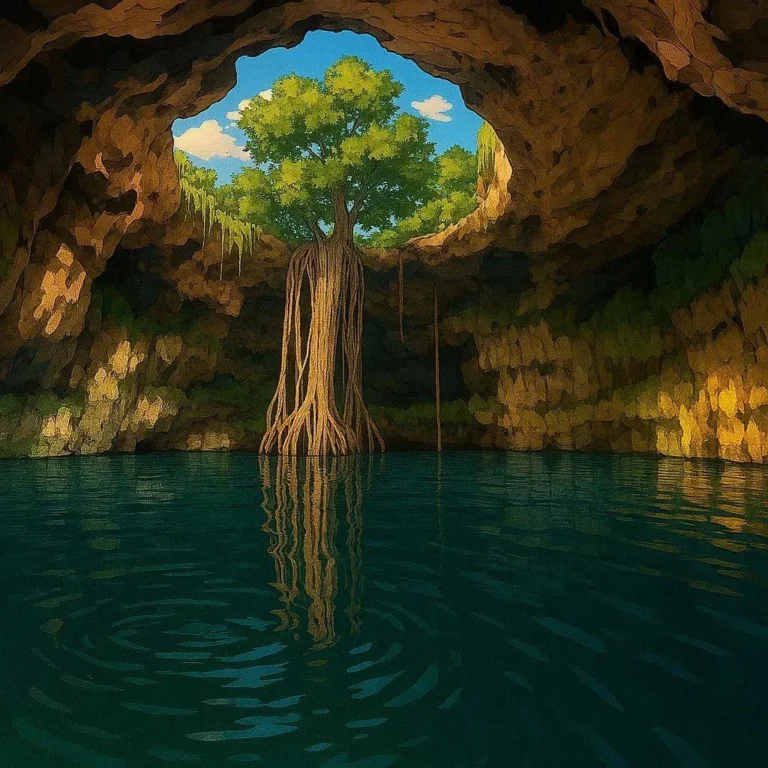
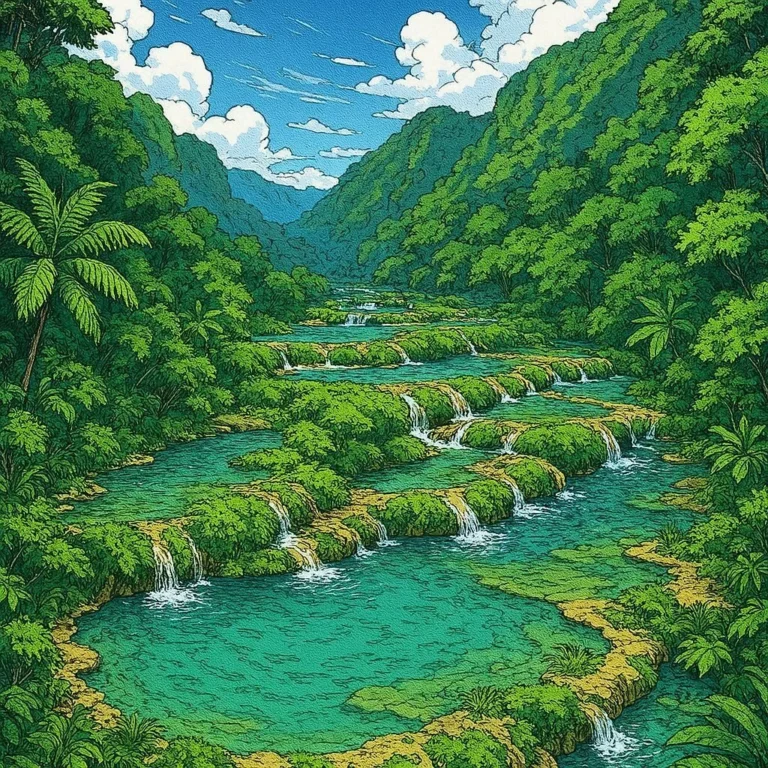
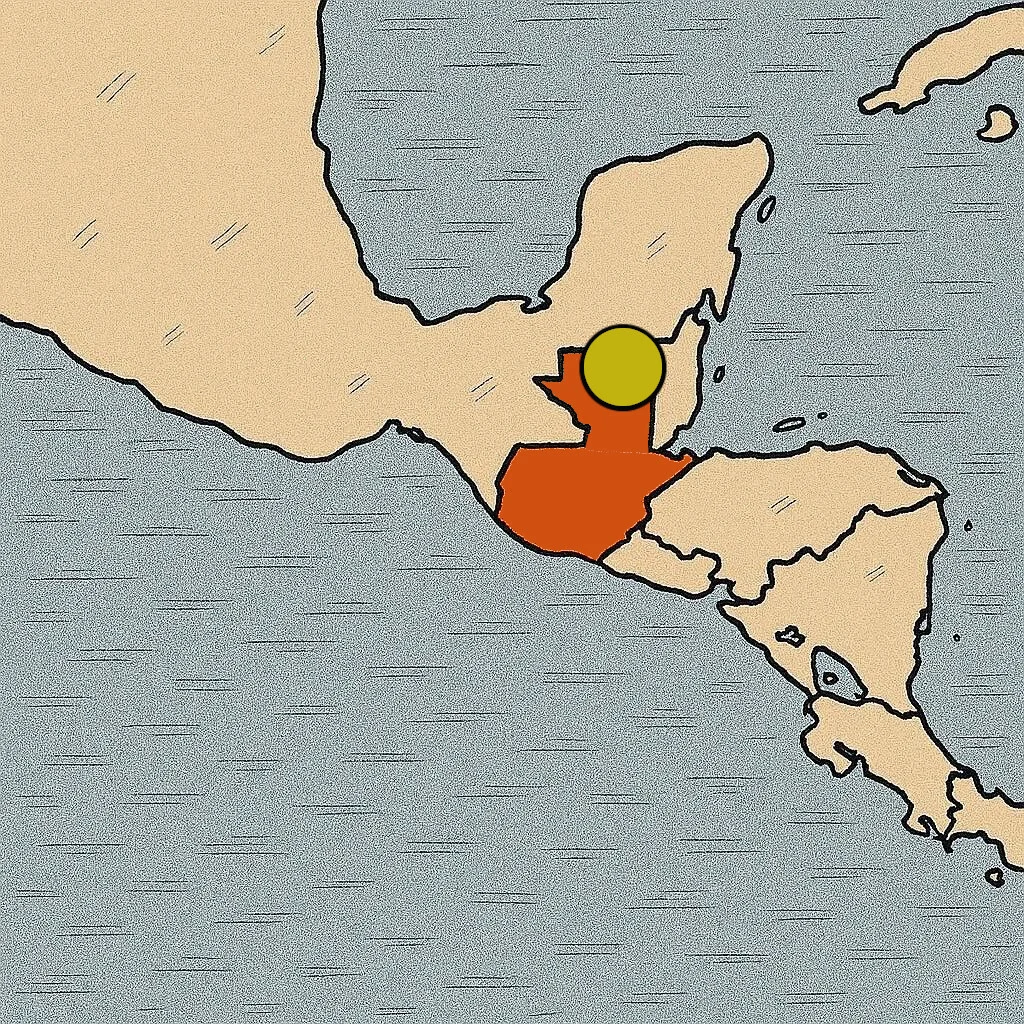
Located in the vast and lush tropical rainforest of Petén, in northern Guatemala, Tikal stands as an imposing testament to the greatness of the Maya civilization. More than just an archaeological site, Tikal is a window into the past, a weave of stone and nature that captivates all who visit it. Its geography is as fascinating as its history. The site sits on a slightly elevated plateau, dotted with cenotes (natural underground water deposits) that were vital for sustaining the population in pre-Hispanic times. The jungle surrounding Tikal is not a mere backdrop; it is an integral component of its identity. Ancient trees such as the ceiba, which for the Maya represented the tree of life and the connection between the underworld, the earth, and the sky, rise majestically among the structures, their roots embracing the ancient stones. The dense vegetation, home to rich biodiversity, creates an atmosphere of mystery and wonder, where the sounds of jungle wildlife blend with the echo of ancient ceremonies.
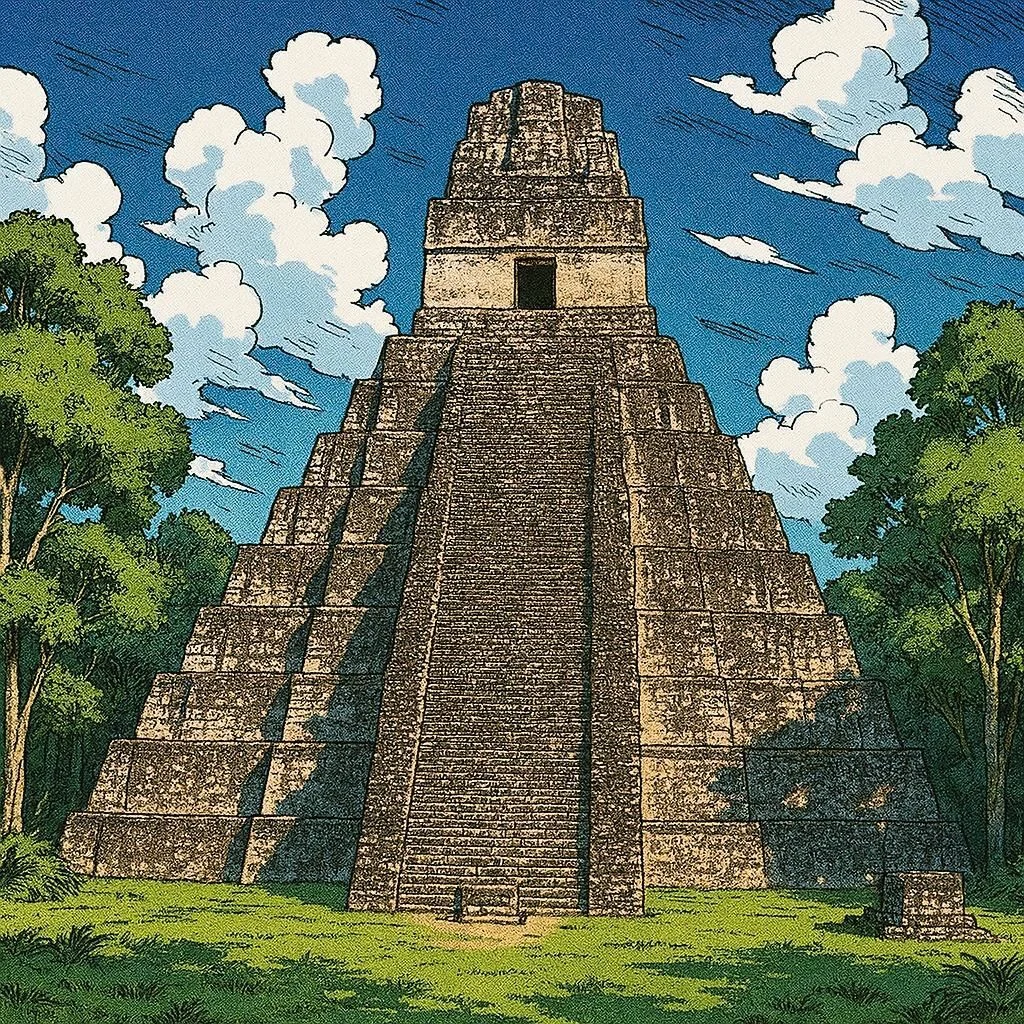
The history of Tikal dates back more than two millennia, reaching its peak during the Maya Classic Period (approximately 250–900 AD). At its largest extent, Tikal was one of the most powerful and populous cities in Mesoamerica, housing over 100,000 inhabitants. It was a first‑order political, economic, and religious center, with complex systems of alliances and rivalries with other great Maya cities such as Calakmul and Copán. The architecture of Tikal is monumental, with imposing pyramids, temples, palaces, and plazas that reflect an advanced knowledge of engineering and astronomy. The Great Plaza, the heart of the city, is flanked by the iconic Temple of the Sun (Temple I) and Temple of the Moon (Temple II), which dominate the landscape and served as essential landmarks for navigation within the dense jungle. The tallest temples, such as Temple IV, which rises about 65 meters above the jungle, were used for religious ceremonies and as astronomical observatories, allowing Maya priests to predict celestial events with remarkable accuracy.
Tikal not only impressed by its monumentality, but also by the complexity of its social organization and its profound worldview. The reliefs and hieroglyphic inscriptions found on stelae and altars reveal a rich dynastic history, warlike feats, rituals, and a sophisticated writing system. The Maya of Tikal developed a precise calendar, an advanced vigesimal numerical system (including the invention of the concept of zero), and a deep understanding of cosmic cycles. The city was a crucial hub in Maya trade networks, facilitating the exchange of goods such as obsidian, jade, feathers, and ceramics. However, like many great Maya cities, Tikal experienced a gradual decline and was eventually abandoned around 900 AD, sinking into the jungle for centuries—a mystery that still sparks debate among archaeologists about the causes of its collapse, which likely included factors such as overpopulation, environmental degradation, and warfare.
Tikal: A Wonder of Humanity
The designation of Tikal as a UNESCO World Heritage Site and as one of the New Seven Wonders of the Natural and Cultural World is no coincidence. It is a wonder because it represents an extraordinary achievement of human engineering and civilization in a challenging environment. The ability of the Maya to build such a grand metropolis in the middle of the tropical rainforest, with advanced hydraulic infrastructure and complex astronomical observatories, is a testament to their ingenuity and vision. The preservation of its monumental structures, despite the passage of time and the forces of nature, allows us to glimpse the magnificence of a culture that reached peaks of intellectual and artistic development. The experience of walking among the imposing pyramids, hearing the howl of spider monkeys, and observing the flight of scarlet macaws over the treetops is to gain a deep appreciation for the Maya heritage and the indomitable beauty of the nature that has guarded this treasure for centuries. Tikal is a wonder because it speaks to us of human resilience, of the ability to create beauty and knowledge, and of the intrinsic relationship between humans and their natural environment, reminding us of the importance of preserving these jewels for future generations.