Meet: Vinkor
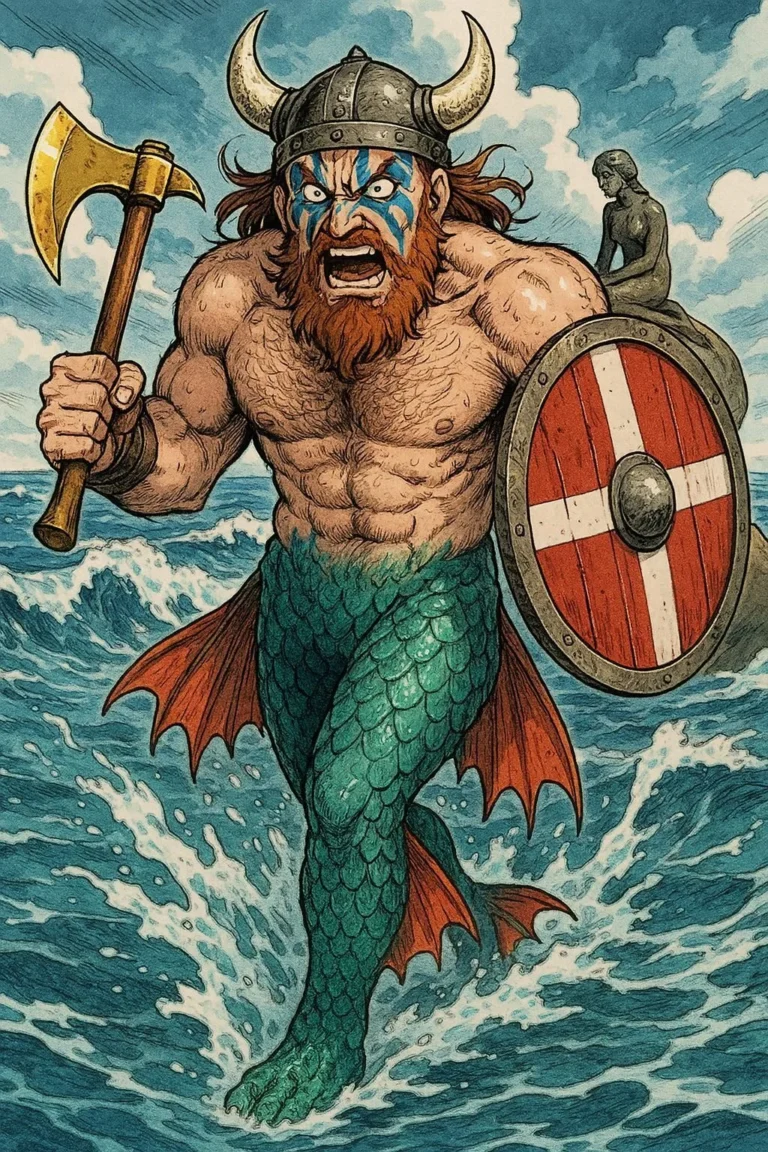
That’s how Denmark would be if it was a superhero:
Vinkor
Population:
6.139.228,00 inhab
Pop. Growth:
5,18 %
Area:
2.209.912,00 km2
Density:
2,77 hab/km2
Wealth:
71.026,50 $/person
Literacy:
99,00 %
Largest city:
Copenhagen - 1,229,370 inhab
Urban population:
87,60 %
Life expectancy:
82,39 years
Average age:
41,30 years
Highest peak:
Gunnbjørn Fjeld - 3,694 m
Largest river:
Gudenå - 160 km
Rainfall:
703,00 mm/m2
What are the defining characteristics of Denmark?
The country of Vinkor

Hygge
Hygge is about creating a cosy atmosphere, enjoying the little things and surrounding yourself with loved ones. It’s a feeling of well-being and warmth.
Culture
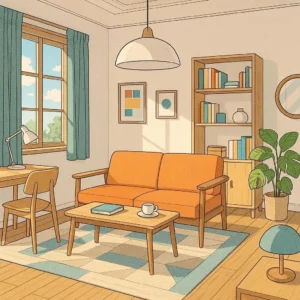
Danish design
Danish design: minimalist, functional and timeless. Inspired by nature, it prioritises harmony and simplicity to create welcoming and elegant spaces.
Architecture
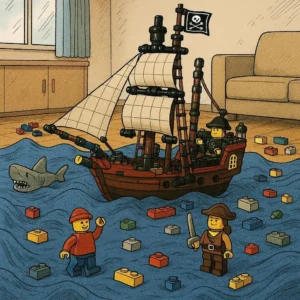
Lego
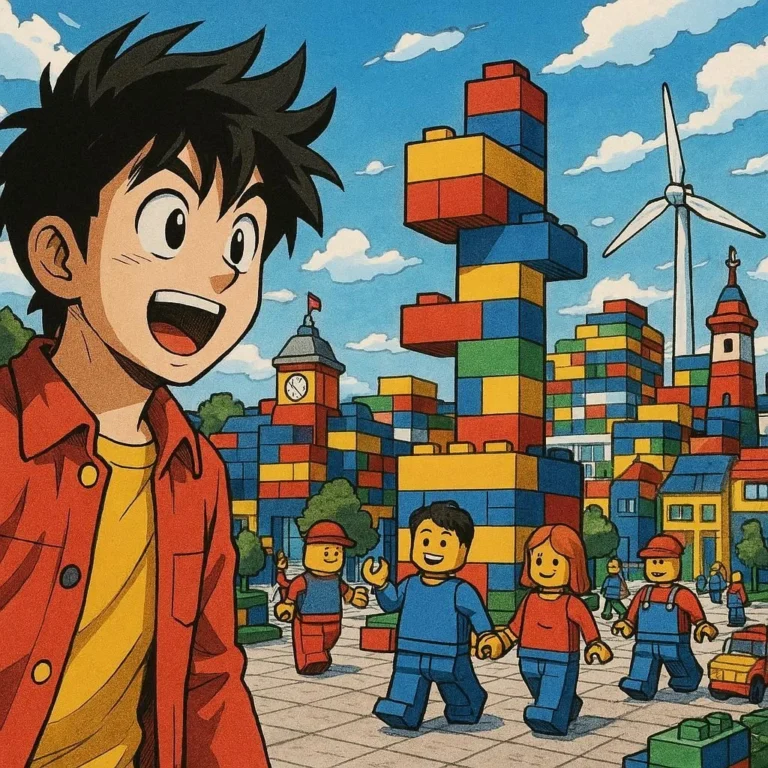
LEGO is a Danish toy company, famous for its interlocking plastic building bricks. Founded in 1932, LEGO is synonymous with creativity and fun for all ages.
Culture
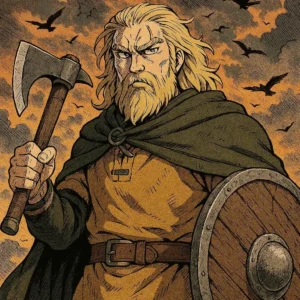
Vikings
The Vikings were Nordic explorers, traders and warriors who sailed across Europe and the North Atlantic in their famous drakkars.
History
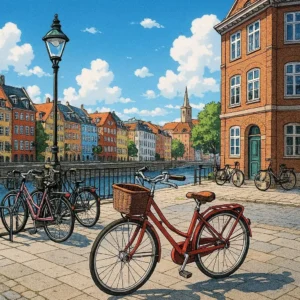
Cycling culture
Denmark, a pioneer in cycling culture. Cities such as Copenhagen prioritise cycle paths, promoting eco-friendly transport and an active lifestyle.
Culture
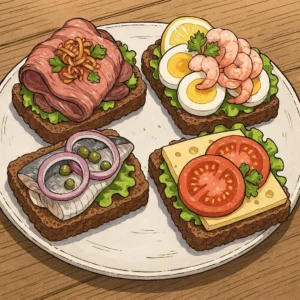
Smorrebrod
Smørrebrød, a Danish open sandwich, is usually made with rye bread, butter and a variety of fillings such as fish, meat, cheese, eggs and fresh vegetables.
Cuisine
Denmark: featured
The file of Vinkor tells us...
Denmark
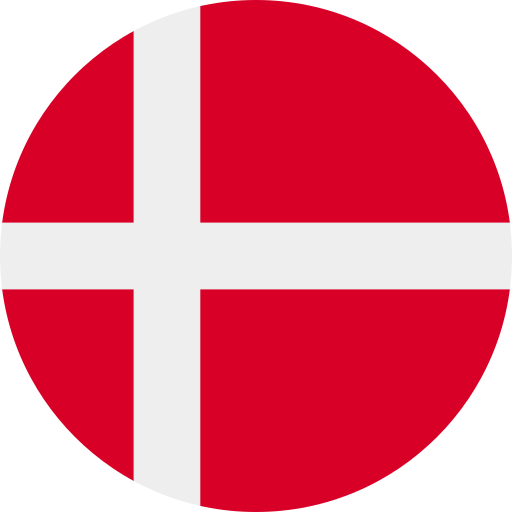
Official language(s): Danish, Faroese and Greenlandic
Currency: Danish Crown
Government: Constitutional monarchy
Main religion: Christianity Protestantism
Demonym: Danish
Copenhagen
Hab. 1,229,370
Copenhagen, the capital of Denmark, lies on the eastern coast of the island of Zealand. Strategically situated on the Øresund Strait, it connects the Baltic Sea with the North Sea. Its flat landscape, criss-crossed by canals and dotted with extensive parks, invites visitors to explore its wonders, such as Amalienborg Palace and the Little Mermaid.
Aarhus
Hab. 233,587
Aarhus, situated on the east coast of Jutland, Denmark, enjoys a privileged coastal location with access to the Baltic Sea. Its landscape combines urban areas with green spaces and proximity to nature. Among its highlights are the old town, with its historic houses; the ARoS Museum, with its famous ‘Your Rainbow Panorama’; and Den Gamle By (The Old Town), a museum at
Odense
Hab. 130,258
Odense is situated on the Danish island of Funen, at the mouth of the River Odense Å. Its flat, fertile landscape contrasts with its cultural offerings. A particular highlight is the Hans Christian Andersen Museum, which evokes the magic of his stories. The historic centre, with its cobbled streets and colourful houses, invites you to explore.
Ribe
Hab. 8,187
Ribe is situated on the west coast of Jutland, a region characterised by its flat landscape and proximity to the North Sea. This ancient town, one of the country’s most historic, offers a fascinating journey into the Viking and medieval past. Its cobbled streets and well-preserved houses invite you to explore its treasures.
Jutland Peninsula
The Jutland Peninsula is characterised by its gentle terrain and extensive forests. Its location makes it a strategic point, encompassing most of Denmark’s mainland and serving as a natural bridge between Europe and Scandinavia.
Greenland
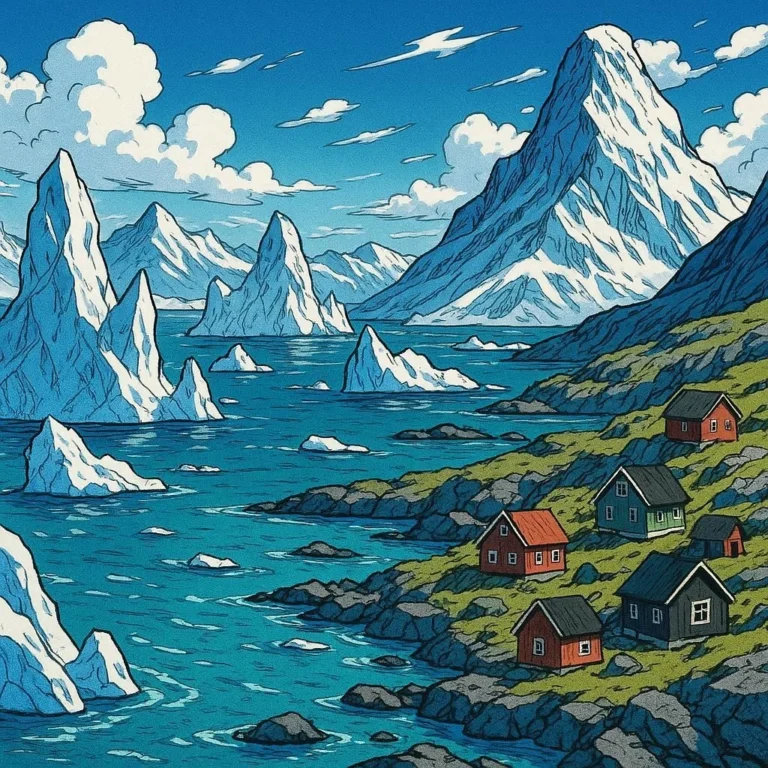
Greenland, the world’s largest island, is strategically situated between the Arctic Ocean and the Atlantic Ocean. Its vast expanse, largely covered by an immense ice cap, defines its extreme geography and its vital importance to Denmark, not only because of its resources, but also because of its geostrategic and political significance in the Arctic.
Sea and straits
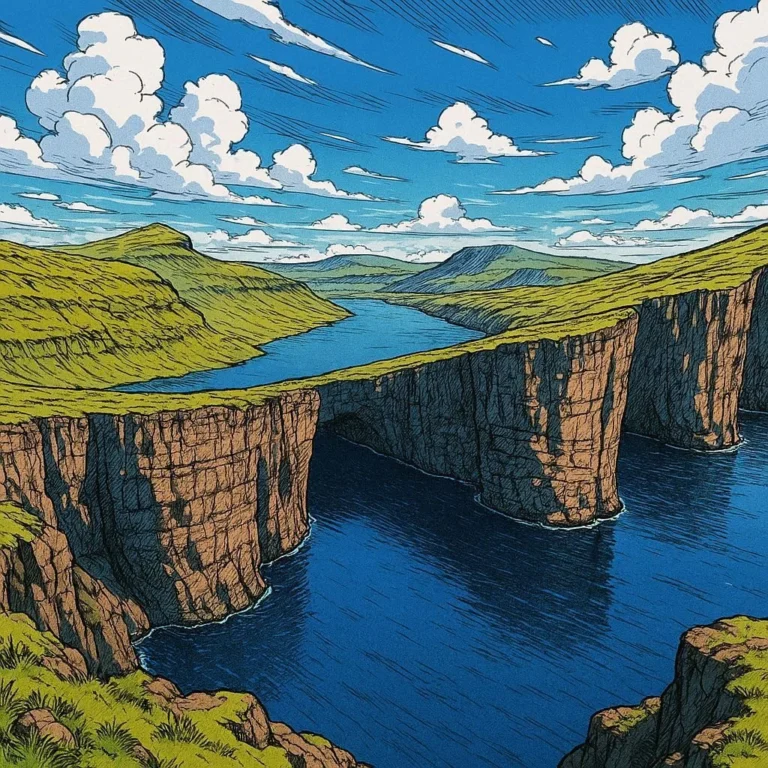
Denmark has historically been a maritime power due to its strategic geography. Its archipelago, comprising numerous islands and straits, gave it control of the passage between the North Sea and the Baltic Sea. Consequently, both then and now, its economy and culture have been intrinsically linked to the sea.
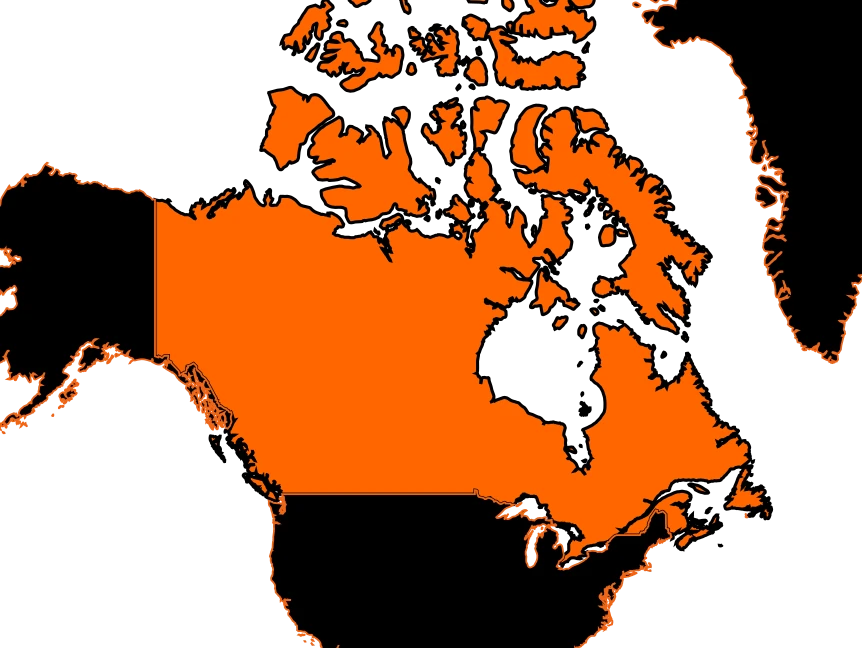
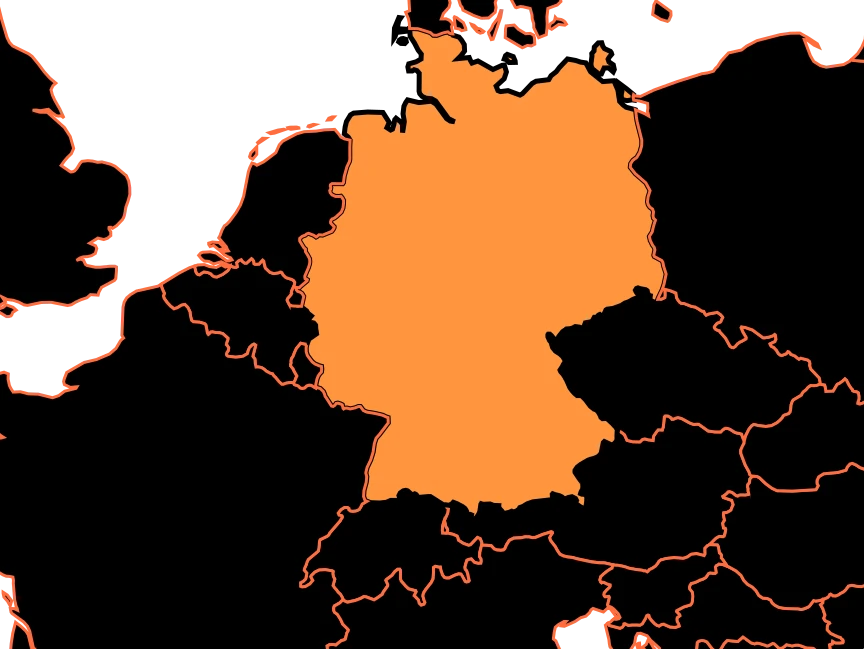
Neighbouring countries
Superheroes who help each other
Superhero stories
Interesting facts about Denmark

To take away
Would you like a hard copy?
One Denmark worksheet, ready to print. You print it, curiosity does the rest.