




Antarctica
Introduction to Antarctica: A Continent of Ice and Mystery
Antarctica, that remote white continent, represents a fascinating territory that awakens the curiosity of scientists, explorers, and adventurers from all over the world. Located at the southernmost end of the planet, this continental mass is almost completely covered by a layer of ice that, on average, reaches 2 kilometers in thickness. Geographically, Antarctica is a continent of extremes: the coldest, the driest, the windiest, and the one with the highest average elevation. Despite its extreme conditions, Antarctica plays a crucial role in the global climate balance, influencing ocean and atmospheric currents, and harboring an important reserve of frozen freshwater.
The Discovery and Early Exploration
Although the existence of a large landmass in the south had been theorized since antiquity, confirmation of Antarctica’s existence is relatively recent. Navigators such as James Cook, in the 18th century, circumnavigated the continent without directly sighting it, but their voyages provided evidence of its possible existence. The first confirmed sighting of Antarctica is generally credited to several explorers in the early 19th century, including Fabian Gottlieb von Bellingshausen, a Russian naval officer, and Nathaniel Palmer, an American seal hunter. During the 19th and early 20th centuries, explorers such as Roald Amundsen and Robert Falcon Scott undertook heroic expeditions to reach the South Pole, marking important milestones in Antarctic exploration. Amundsen’s expedition reached the South Pole in 1911, beating Scott’s expedition, which arrived a few weeks later and tragically perished on the return journey.
Territorial Disputes: The Struggle for Antarctica
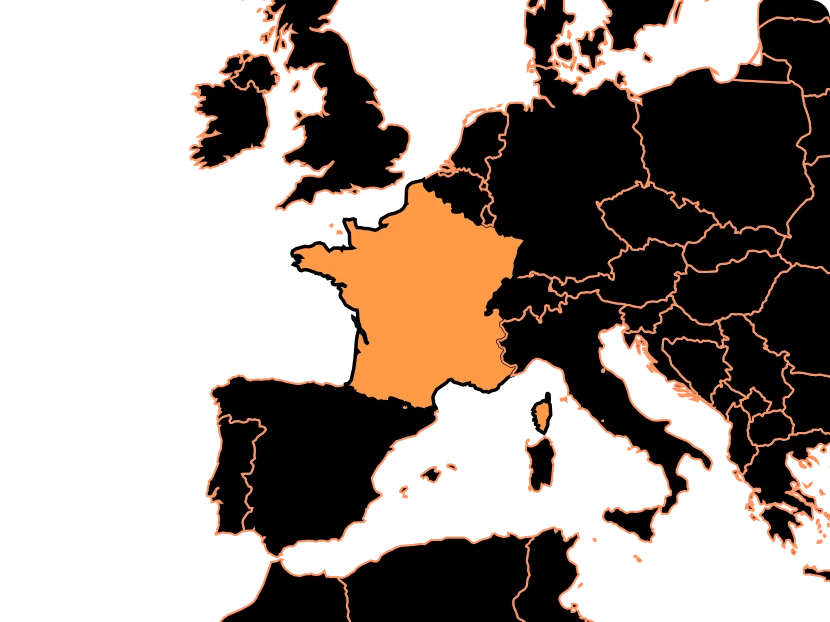
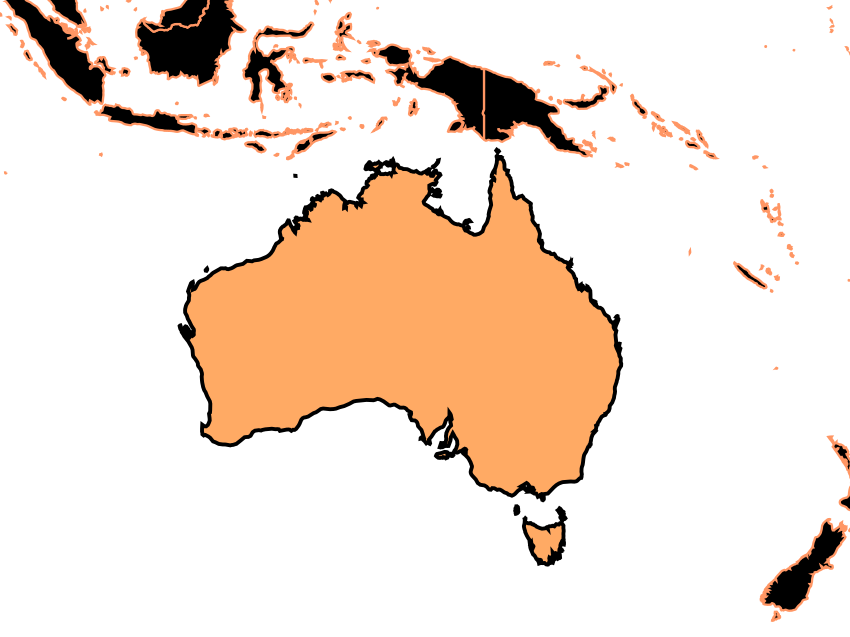
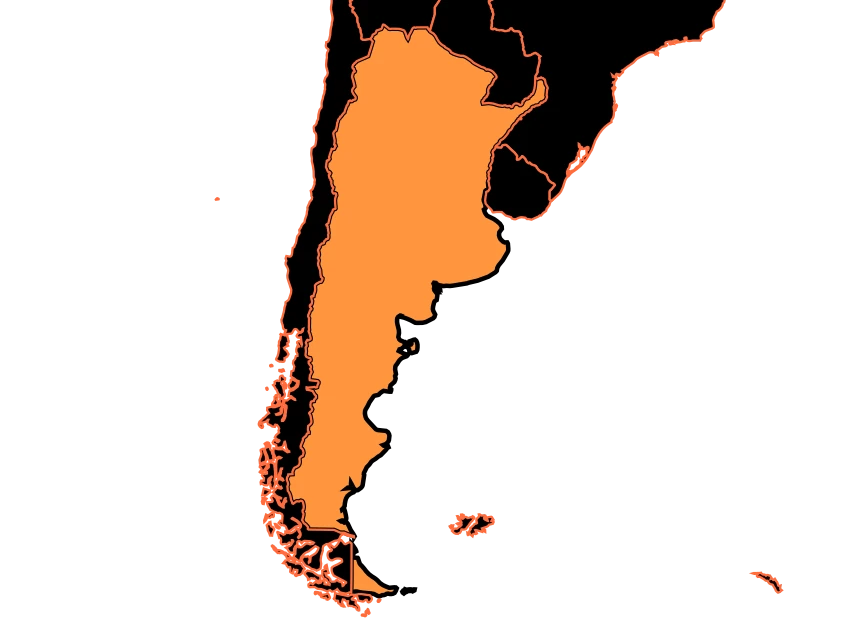
Despite its inhospitable climate, Antarctica has been the subject of territorial claims by several countries. Argentina, Australia, Chile, France, New Zealand, Norway, and the United Kingdom have expressed claims over specific sectors of the continent. These claims are based on various historical, geographic, and scientific arguments. For example, Argentina and Chile base their claims on geographic proximity and geological continuity with their South American territories. The United Kingdom, for its part, bases its claim on explorations carried out by its citizens in the 19th century. These overlapping claims generated tensions and potential conflicts throughout the 20th century.
The Antarctic Treaty: A Model of International Cooperation
To avoid conflicts and promote cooperation in Antarctica, the Antarctic Treaty was signed in 1959. This treaty, which entered into force in 1961, establishes that Antarctica must be used exclusively for peaceful purposes. It prohibits military activities, nuclear explosions, and the disposal of radioactive waste on the continent. In addition, it freezes existing territorial claims without renouncing or recognizing them, and promotes scientific research and international cooperation. The Antarctic Treaty has been fundamental in preserving Antarctica as a territory dedicated to science and peace, and has served as a model for the governance of shared areas at the global level.
Antarctica Today: Scientific Research and Environmental Challenges
Today, Antarctica is a center of vital scientific research. Scientists from around the world conduct studies in various disciplines, such as glaciology, marine biology, meteorology, and astronomy. Antarctic research provides crucial information on climate change, the evolution of life in extreme conditions, and the geological history of our planet. However, Antarctica also faces major environmental challenges. The current rise in average temperatures is causing glaciers and ice sheets to melt, contributing to sea level rise. Overfishing and pollution also pose threats to Antarctic wildlife and the ecosystem. Protecting the Antarctic environment is a priority for the international community, and measures are being implemented to minimize human impact on this unique and vulnerable continent.
Conclusion: An Uncertain but Promising Future
Antarctica, a continent of ice and mystery, continues to fascinate the world. Its history is marked by heroic expeditions, territorial claims, and, ultimately, international cooperation. The Antarctic Treaty has proven to be an effective instrument for preserving peace and promoting scientific research on the continent. However, the future of Antarctica will depend on our ability to protect this valuable ecosystem and ensure that it remains a territory dedicated to science, peace, and international cooperation.