

Baikal Lake
Exploring the Depths of Lake Baikal: The World Champion of Freshwater
Lake Baikal, a natural gem of epic proportions, stands as the undisputed champion among the world’s freshwater bodies. It is not just a lake; it is a vibrant ecosystem, a geological treasure, and a silent witness to millions of years of Earth’s history. Its grandeur has earned it recognition as a UNESCO World Heritage Site and, without a doubt, the “world champion” in several of its most impressive categories.
Majestic Geography: A Giant in the Heart of Siberia
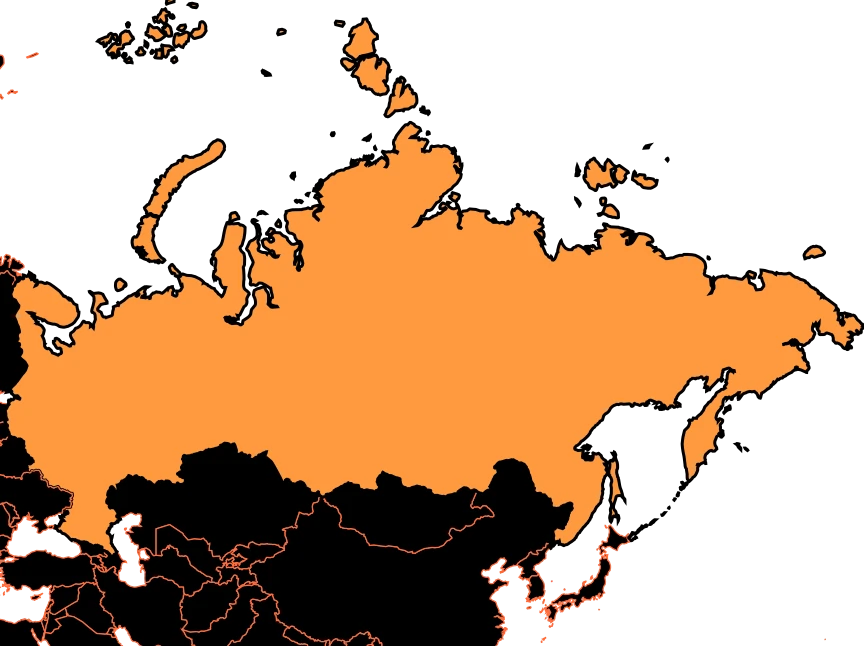
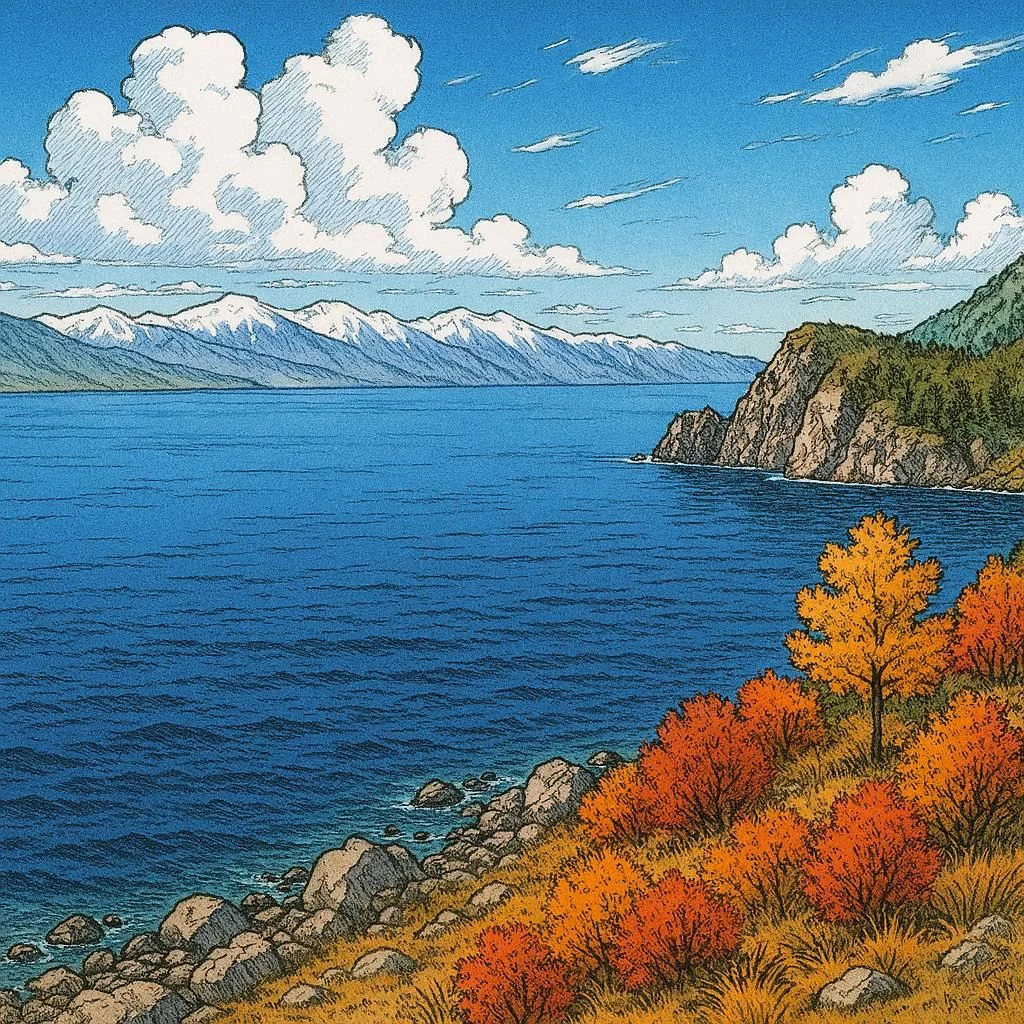
Located in southern Siberia, in the Russian Federation, Lake Baikal stretches across the landscape like a vast blue mirror. Its geographic position, surrounded by the Sayan Mountains to the southwest and the Baikal Mountains to the northeast, gives it a striking yet sheltered character. The lake lies in a region of intense tectonic activity, which has shaped its unique basin over millennia. Its elongated, curved shape, reminiscent of a crescent moon, spans a length of approximately 636 kilometers and has a maximum width of 79.5 kilometers. The lake basin is surrounded by a mountain range that rises majestically, creating a natural setting of breathtaking beauty.
Description of a Blue Giant: Unprecedented Volume and Depth
What truly sets Lake Baikal apart is its colossal scale. It holds the record as the largest freshwater lake in the world by volume, containing approximately 20% of all unfrozen surface freshwater on the planet. Imagine that! It is such a vast amount of water that it could supply all of humanity for centuries. But volume is only part of the story. Baikal is also the deepest lake in the world, reaching a maximum depth of 1,642 meters. This abyssal depth means that large stretches of its bottom lie in perpetual darkness, an unexplored realm that holds mysteries yet to be discovered. The clarity of its waters is legendary; on clear days, one can see to a depth of 40 meters, a testament to its exceptional purity.
The Secret to Its Success: Records That Crown It as World Champion
Lake Baikal’s supremacy is not based on a single achievement, but on a constellation of records that elevate it to world champion status. The most notable is, without a doubt, its freshwater volume, as already mentioned, surpassing all other lakes on the planet combined. Its maximum depth is another absolute record, a body of water so deep that it fascinates scientists and explorers alike. But the records do not end there. Baikal is also the oldest lake in the world, with an estimated age of between 25 and 30 million years, a true living fossil that has witnessed the geological evolution of our planet. This longevity has allowed for the development of unique and endemic biodiversity, with thousands of plant and animal species found nowhere else in the world, which could also be considered a record of biological uniqueness. The ice of Baikal in winter is another astonishing phenomenon; it freezes to a considerable depth, forming frozen landscapes of indescribable beauty and, at times, reaching thicknesses that allow vehicles to travel across it, a record of winter extent and solidity. Its exceptionally pure and clear water also sets an extraordinary standard in terms of quality, another gold medal for this aquatic giant.
In short, Lake Baikal is not just a body of water; it is a natural monument, a living laboratory, and an undisputed champion in the race for world records. Its size, depth, age, purity, and the life it harbors in its depths establish it as a wonder of the world that deserves to be admired and protected.