

Meet: Eastern Giant
That’s how Uruguay would be if it was a superhero:
Eastern Giant

Population:
3.382.537,00 inhab
Pop. Growth:
0,60 %
Area:
175.020,00 km2
Density:
19,00 hab/km2
Wealth:
23.906,50 $/person
Literacy:
98,91 %
Largest city:
Montevideo - 1,240,244 inhab
Urban population:
96,00 %
Life expectancy:
78,62 years
Average age:
36,70 years
Highest peak:
Cerro Catedral - 514 m
Largest river:
Uruguay - 1,595 km
Rainfall:
1.300,00 mm/m2
What are the defining characteristics of Uruguay?
The country of Eastern Giant

Candombe
Candombe is an Afro-Uruguayan and Afro-River Plate cultural tradition, designated by UNESCO as Intangible Cultural Heritage of Humanity. It is characterised by its drums and dances.
Culture

Cabo Polonio
Cabo Polonio is a small peninsula in Uruguay, known for its rugged natural beauty, deserted beaches and sand dunes. It is a popular tourist destination for those seeking an escape from city life.
Nature

Murgas
Uruguayan murgas are choral-theatrical groups that sing and perform during carnival. They wear colourful make-up, costumes and hats, and their lyrics are satirical and humorous, addressing social and political issues.
Culture

Alfajores
Alfajores are a very popular traditional sweet in Uruguay. They consist of two biscuits filled with dulce de leche and coated in chocolate or icing sugar.
Cuisine

Joaquín Torres García
Joaquín Torres García was a Uruguayan artist, a distinguished painter, sculptor, muralist and art theorist. He advocated a constructive and universal form of art, which had a significant influence on Latin American art.
Person

Asado
The asado is a long-standing culinary tradition in Uruguay, where high-quality beef is expertly grilled, offering an unforgettable feast.
Cuisine
Uruguay: featured
The file of Eastern Giant tells us...
Uruguay
Official language(s): Spanish
Currency: Uruguayan peso
Government: Presidential system
Main religion: Irreligion
Demonym: Uruguayan
Montevideo
Hab. 1,240,244
Montevideo is situated on the south-east coast of the country. Its landscape is characterised by rolling hills and a long coastline along the Río de la Plata. The city is home to sites of historical interest such as the Old Town, the Solís Theatre and the Mercado del Puerto, offering a rich cultural experience.
Salto
Hab. 99,823
Salto is a fascinating city situated on the banks of the River Uruguay, on the border with Argentina. It is renowned for its landscape of rolling hills and fertile land. Don’t miss the Daymán hot springs, perfect for unwinding, or the Salto Grande dam, an impressive feat of engineering that generates power for both countries.
Paysandú
Hab. 73,249
Paysandú is situated on the banks of the Uruguay River. Its landscape is characterised by vast, fertile plains. It is renowned for its rich history, which is reflected in iconic sites such as the Florencio Sánchez Theatre and the Departmental History Museum.
Colonia del Sacramento
Hab. 32,164
Colonia del Sacramento is a fascinating destination. Situated on a peninsula on the Río de la Plata, its landscape features picturesque coastlines and cobbled streets. Highlights include the lighthouse, Calle de los Suspiros and the Plaza Mayor, historic sites that bear witness to a unique colonial past.
Río de la Plata
The Río de la Plata, or Estuary of the Plata, is an estuary formed by the confluence of the Uruguay and Paraná rivers. Located in the south-eastern region of South America, it serves as a natural border between Argentina and Uruguay. Its width varies considerably, reaching its widest point at its mouth on the Atlantic Ocean, and it holds the title of the widest river in the world.
The Pampas
The Pampas, also known as the Uruguayan grasslands, form a vast region of fertile plains in Uruguay. This ecosystem is characterised by its temperate climate and the prevalence of grasslands, which are essential for livestock farming. The region boasts a rich biodiversity and plays a crucial role in the country’s economy and culture.
Lobos Island
Lobos Island is a nature reserve of vital importance. It is home to one of the largest sea lion colonies in the world. This wildlife sanctuary offers opportunities for scientific research and responsible ecotourism. The conservation of its biodiversity is an ongoing and paramount challenge.
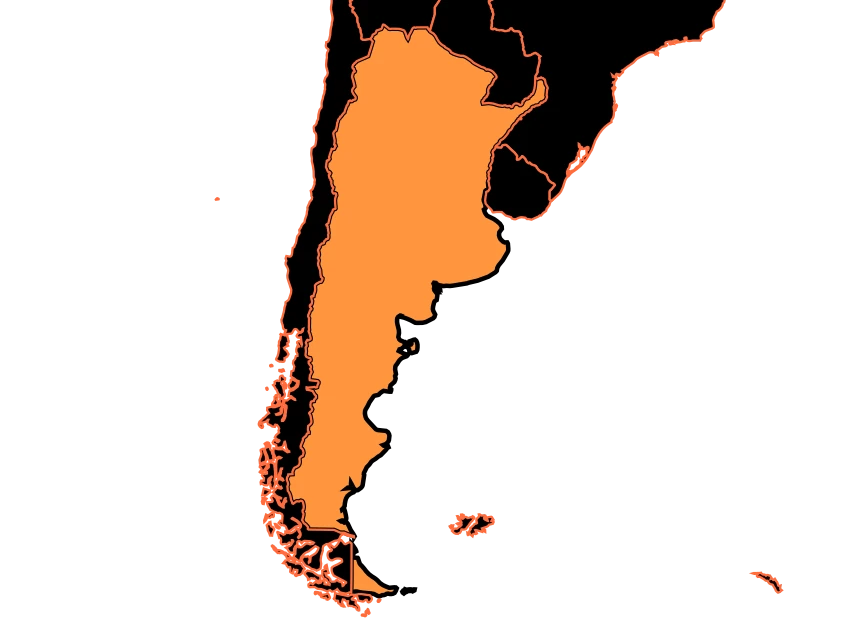
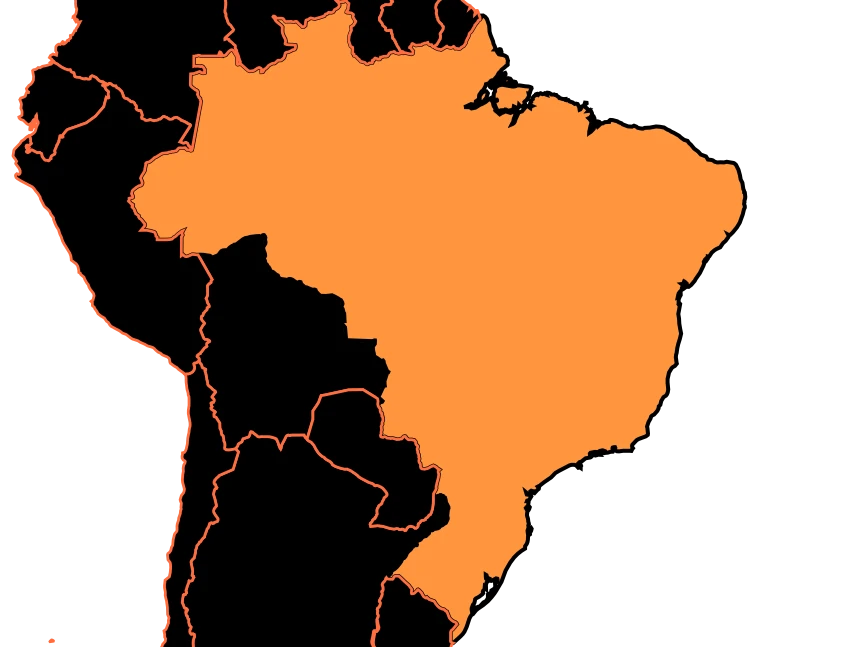
Neighbouring countries
Superheroes who help each other


To take away
Would you like a hard copy?
One Uruguay worksheet, ready to print. You print it, curiosity does the rest.