
Timanfaya
The volcano that is still hot
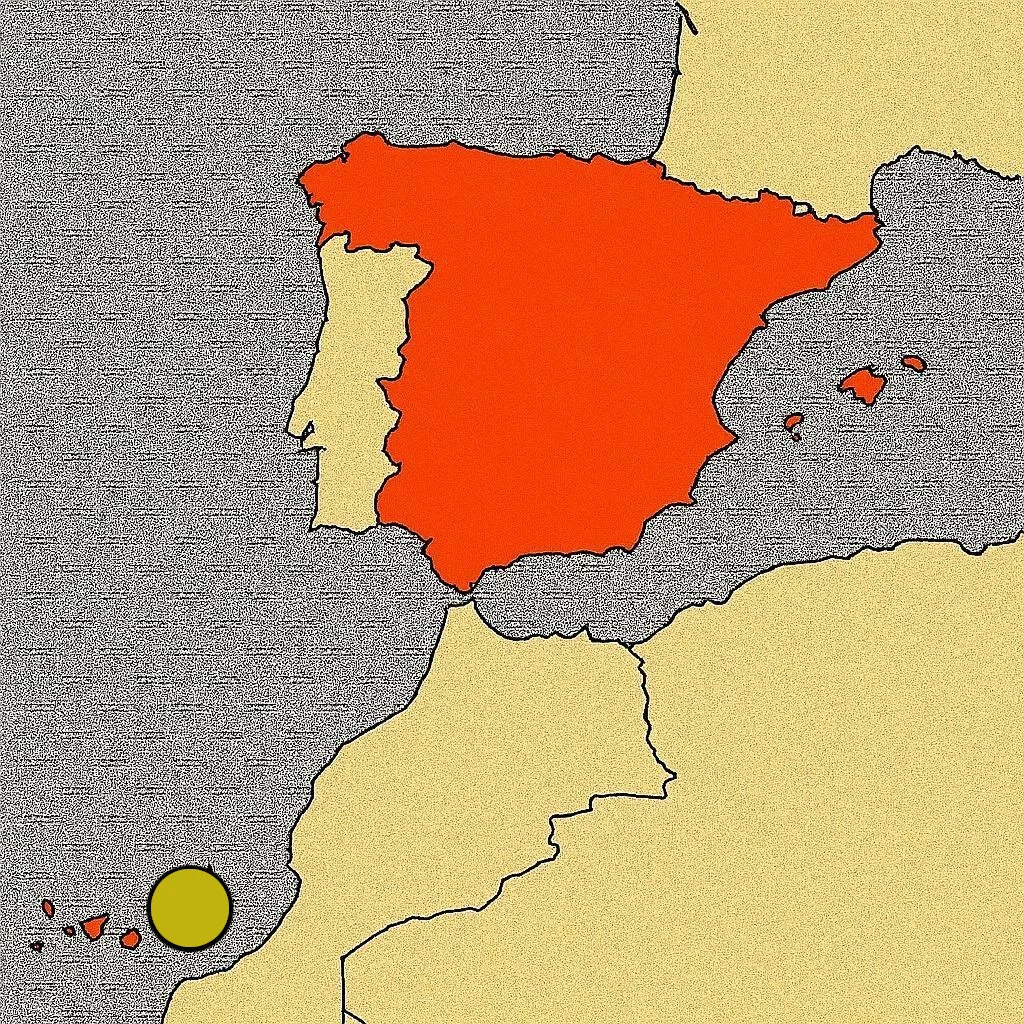
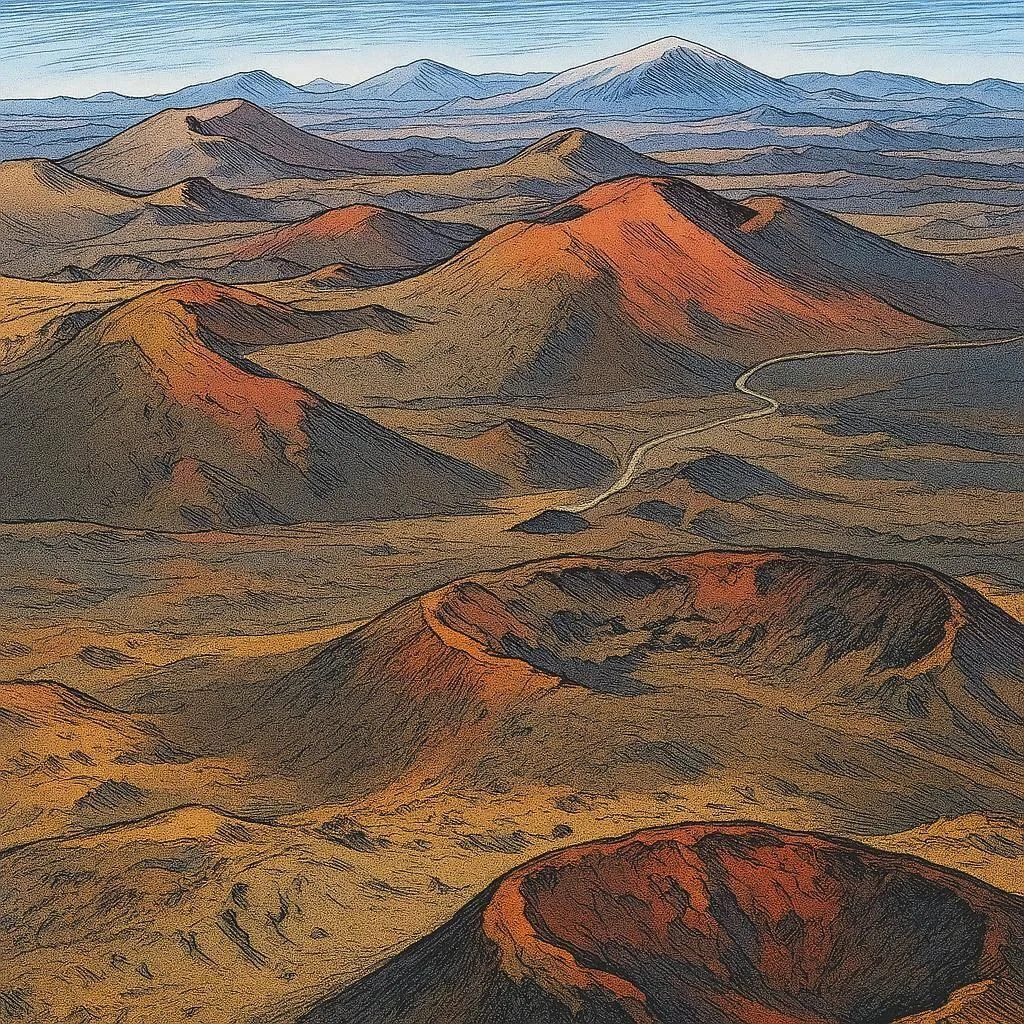
If you walked through Timanfaya National Park on the island of Lanzarote, you would think you had arrived on another planet. The ground is black and red, there are almost no trees, and the landscape is covered by lava mountains that look like they have just come out of the fire.
But the most surprising thing is not what you see. It is what happens beneath your feet. Although the last major eruption ended almost 300 years ago, the volcano’s heat remains hidden beneath the surface.
Six years that changed an island
It all began in 1730. One night, the ground began to shake. Suddenly, the earth split open and huge jets of lava and ash shot into the sky.
The inhabitants of Lanzarote had never seen anything like it. The lava advanced slowly, but nothing could stop it. It buried entire villages, covered farmland, and changed the landscape forever. The most incredible thing is that the eruptions did not last a few days or a few weeks. They lasted almost six years.
Imagine living for years watching new volcanoes appear near your home.
An oven hidden beneath the ground
Today everything seems calm. But scientists know that, just a few meters below the surface, the temperature is still extremely high. In some places it reaches over 300 °C.
To demonstrate this, park rangers perform very curious experiments. They pour water into a tube buried in the ground and, a few seconds later, a huge jet of steam shoots out like a geyser. They also place dry branches on a grate. Without using matches or charcoal, the branches begin to burn just from the heat rising from inside the Earth.
And yes, there is also a very special restaurant.
The restaurant where a volcano does the cooking
In Timanfaya there is a restaurant called El Diablo. Its grill does not run on gas or electricity. Beneath it there is a hole dug into the volcanic rock. The heat rising from inside the Earth cooks meat, fish, and vegetables. It is one of the few places in the world where a volcano acts as a chef.
A nearly lifeless landscape
After a major eruption, the lava looks like a desert of stone. However, little by little, life returns. Some lichens were the first to grow on the volcanic rocks. Then small insects arrived and, over the years, some plants adapted to Lanzarote’s dry climate also appeared.
Scientists study Timanfaya because it allows them to observe how nature reclaims an entirely new terrain. It is like watching a world begin from scratch.
What would it be like to walk on Mars?
Many visitors say that touring Timanfaya is like traveling to another planet. The black mountains, the craters, the solidified lava rivers, and the almost total absence of trees make the landscape resemble photographs sent back by space probes. That is why it is one of the most astonishing places in Spain.
It reminds us that our planet is alive and that, even though it may sometimes seem calm, beneath our feet immense energy still lies hidden.
Would you dare to walk in a place where the ground still holds the heat of a volcano that awakened almost three hundred years ago? Perhaps when you look at those black mountains you will find it hard to believe, but beneath them the Earth still preserves some of the fire that changed Lanzarote forever.