


First motorways
Today we can travel from one city to another on highways and expressways that stretch for thousands of kilometers. But more than 2,000 years ago, there was already a network that connected much of Europe, North Africa, and the Middle East. It was built by the Romans. And although no cars traveled on them, those roads changed the world forever.
An empire needed roads
The Roman Empire came to occupy an enormous territory. Its cities were separated by mountains, forests, deserts, and great rivers.
To govern such a vast territory, soldiers, merchants, and messengers needed to move quickly. That is why Roman engineers began building thousands of kilometers of stone roads. They were not simple paths. They were carefully designed to last for centuries.
Roads built to withstand
Roman roads were constructed by first excavating the ground. Then several layers of stones and gravel were laid down, and finally large stone slabs, perfectly fitted together, were placed on top. Many were slightly raised so that rainwater could drain off the sides and not damage them.
Thanks to this technique, some still exist more than two thousand years later. Even today, it is possible to walk on them.
Traveling across an entire empire
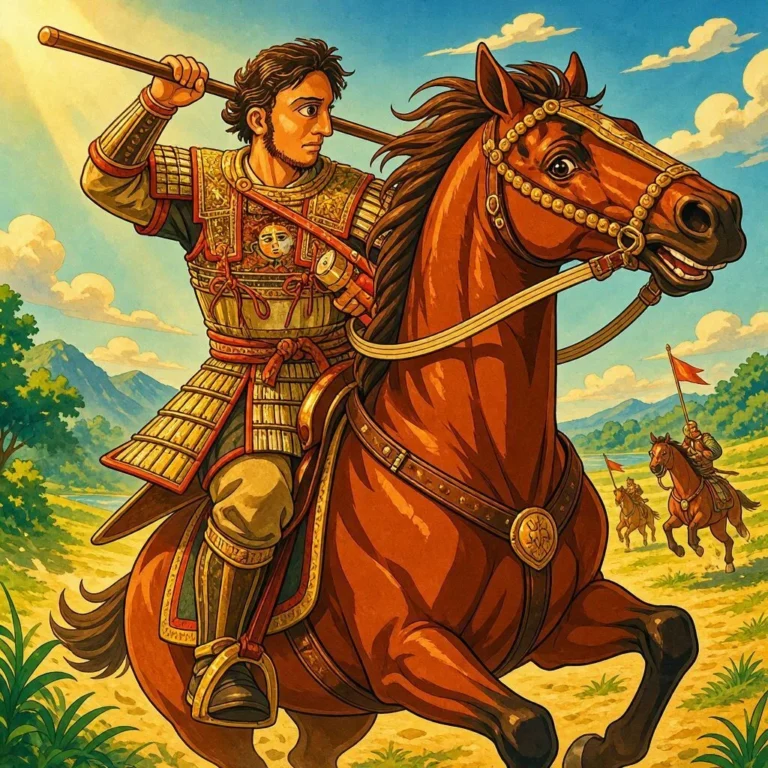
The roads connected cities, ports, fortresses, and markets. Roman legions marched along them, but merchants carrying wine, oil, pottery, or wheat also traveled on them. Messengers carried news and orders from the emperor, while thousands of travelers crossed the empire for business or pleasure.
At regular intervals, there were bridges, rest areas, and places to change horses to continue the journey. For its time, it was an extraordinary transportation network.
Thousands of kilometers connecting continents
The Romans built more than 400,000 kilometers of roads, of which about 80,000 kilometers were paved with stone.
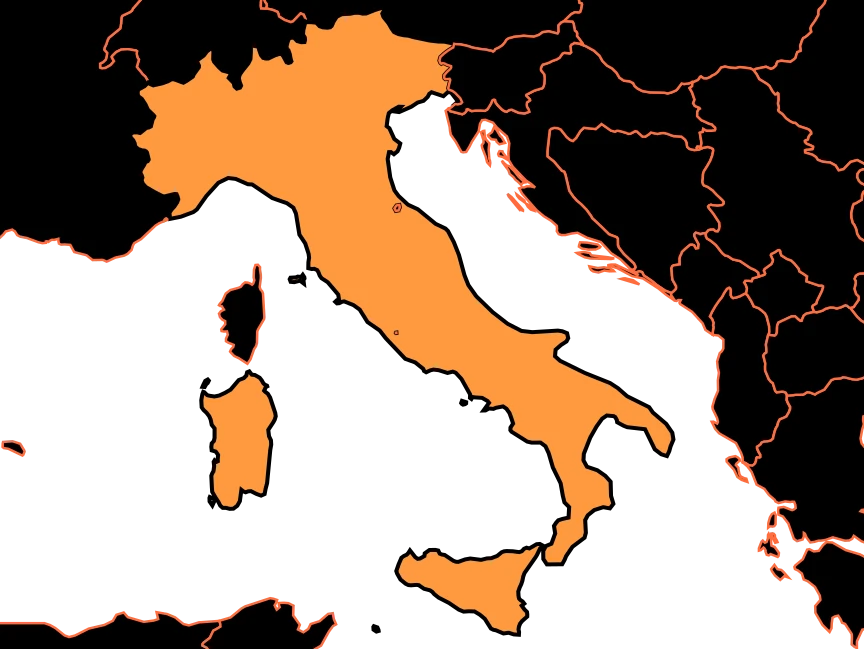
Some of the most famous, such as the Appian Way, connected Rome with important ports in southern Italy. Others crossed Hispania, Gaul, Britannia, or the Balkans, linking places separated by hundreds or even thousands of kilometers.
Never before had an empire been so well connected.
How did it change the maps?
Roman roads not only made travel easier. They also helped people, goods, languages, and ideas circulate throughout the empire.
Many cities grew up along these roads, and centuries later, numerous modern highways and railways followed exactly the same route.
If you look at a map of Europe today, you will discover that some of its main routes began as Roman roads more than two thousand years ago.
That is why they can be considered the first highways in the world. They were not designed for cars, but for people, horses, and carts, yet they achieved something extraordinary: connecting an entire continent and changing the way we travel forever.