
Meet: Toreriesta
That’s how Spain would be if it was a superhero:
Toreriesta

Population:
47.850.793,00 inhab
Pop. Growth:
5,18 %
Area:
498.800,00 km2
Density:
96,00 hab/km2
Wealth:
35.326,80 $/person
Literacy:
99,70 %
Largest city:
Madrid - 5,583,601 inhab
Urban population:
79,60 %
Life expectancy:
84,08 years
Average age:
46,30 years
Highest peak:
Teide - 3,721 m
Largest river:
Tajo - 1,006 km
Rainfall:
636,00 mm/m2
What are the defining characteristics of Spain?
The country of Toreriesta
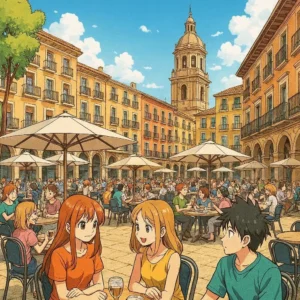
Street life
Life in Spain takes place on the streets. Socialising in public spaces, bars and squares is an essential feature of the Spanish way of life. That is why the streets are bustling with life at almost any time of day.
Culture
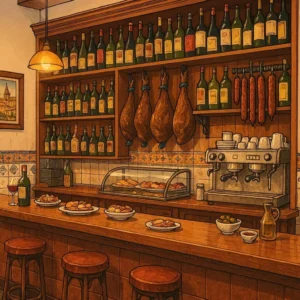
Bars
In Spain, the culinary scene is enriched by pinchos, tapas and raciones, which form the cornerstones of the culinary and social culture in its bars.
Cuisine

Siesta
The siesta is the best illustration of the Spanish way of life: taking things at a leisurely pace and prioritising what matters most.
Culture
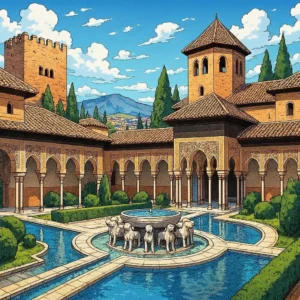
Historical heritage
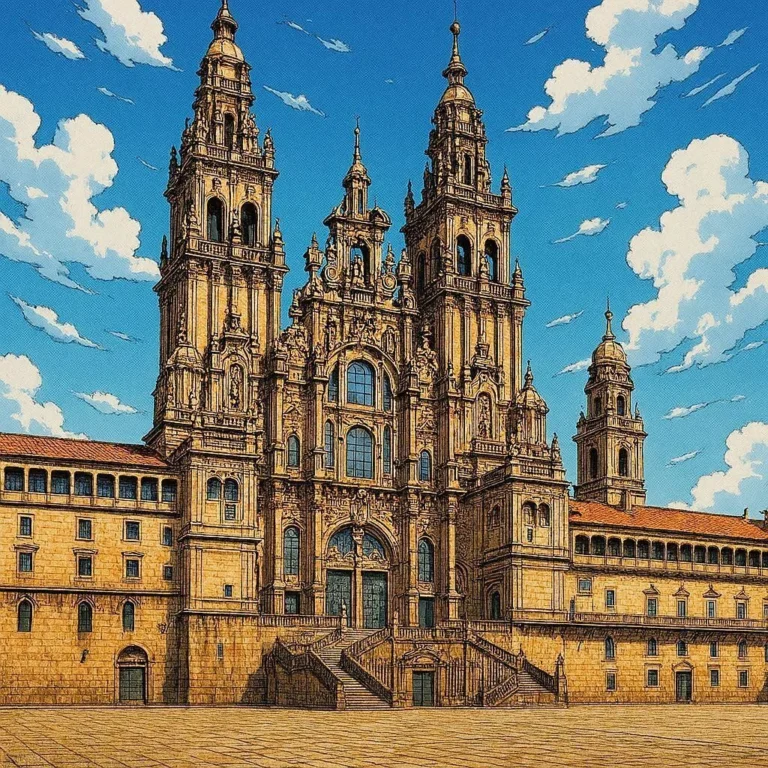
Spain’s historical heritage includes such gems as the Alhambra in Granada, the Sagrada Familia in Barcelona and the Aqueduct of Segovia.
History

Festivals
There are many different festivals in Spain. The best known are the San Fermines, where people run alongside bulls, and La Tomatina, which is a massive brawl in which tomatoes are used as projectiles.
Culture
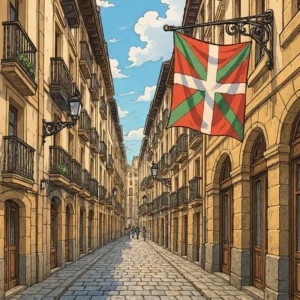
Regionalism
Spain is a mosaic of identities. Its cultural richness lies in the diversity of its regions, each with its own history, language and traditions, which fuels debates about independence and national cohesion.
Culture
Spain: featured
The file of Toreriesta tells us...
Spain
Official language(s): Spanish, Basque, Catalan, Galician and Aranese
Currency: Euro
Government: Constitutional monarchy
Main religion: Christianity Catholicism
Demonym: Spanish
Madrid
Hab. 5,583,601
Madrid, the Spanish capital, stands in the heart of the Iberian Peninsula at an altitude of 650 metres. Surrounded by the Central Plateau, it enjoys a continental climate with warm summers and cold winters. The city is a hive of activity, with iconic monuments such as the Royal Palace and the Prado Museum – must-see attractions for young urban explorers.
Barcelona
Hab. 3,982,704
Barcelona, situated on the north-east coast of Spain, enjoys a privileged location between the Mediterranean Sea and the Collserola mountains. This duality offers both city beaches and easily accessible natural landscapes. Among its landmarks, the Sagrada Familia – Gaudí’s masterpiece – stands out, as does the Gothic Quarter, with its narrow medieval streets.
Valencia
Hab. 1,390,045
Valencia, a vibrant city on Spain’s east coast, enjoys a privileged location on the shores of the Mediterranean Sea. Its landscape is characterised by a fertile plain, the ‘huerta valenciana’, which is ideal for growing citrus fruits. Among its main attractions are the City of Arts and Sciences, a futuristic architectural complex, and the historic centre with the Cathedral and the Lonja de
San Sebastian
Hab. 185,357
San Sebastián, Donostia in basque, lies on the Cantabrian coast, surrounded by green hills. It is famous for its La Concha beach, its delicious food, its pintxos, and its charming Old Town. It has an oceanic climate and a vibrant, cultural atmosphere.
The Pyrenees
The Pyrenees, an imposing mountain range, form the natural border between Spain and France, separating the Iberian Peninsula from mainland Europe. Their geography, characterised by rugged peaks and deep valleys, has been a defining feature of Spain’s history and culture, acting as both a protective barrier and a corridor for exchange over the centuries.
Strait of Gibraltar
The Strait of Gibraltar separates Europe from Africa and the Mediterranean Sea from the Atlantic Ocean. It is a strategic location. The narrowest point of the Strait is 14 kilometres wide. Many migratory birds use this passage during their spring and autumn migrations.
The sea
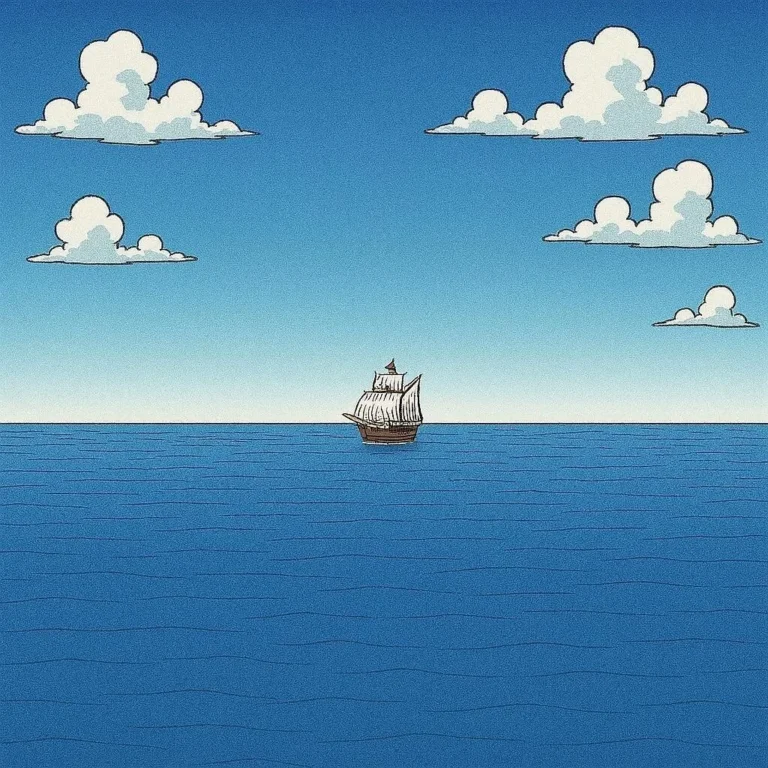
Spain, a nation embraced by the sea, finds itself surrounded by the Mediterranean, Cantabrian, and Atlantic oceans. Its maritime connection extends to territories across the water, including the Canary Islands, the Balearic Islands, and the enclaves of Ceuta and Melilla. This rich coastal heritage defines Spain's geography and its historical significance.
Neighbouring countries
Superheroes who help each other
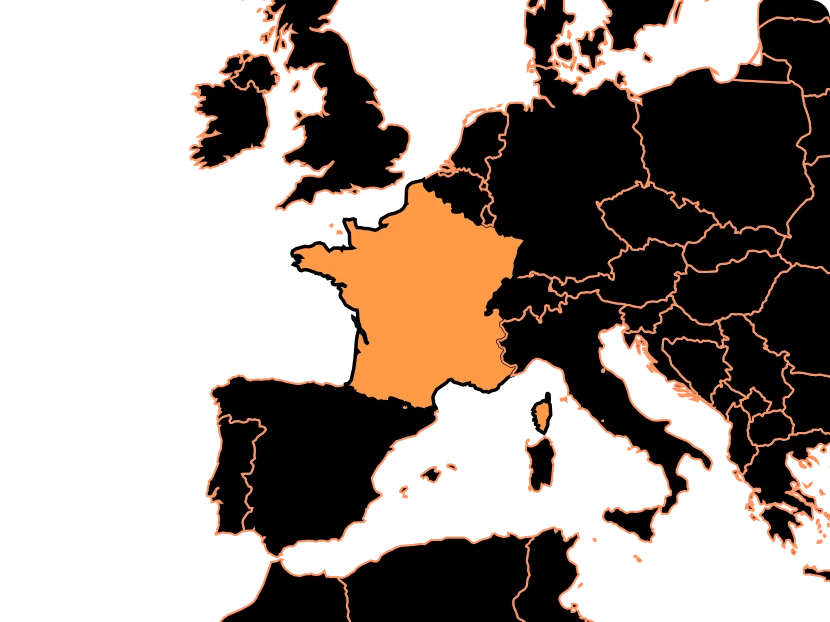
France

Continent:
Europe
United Kingdom


Continent:
Europe
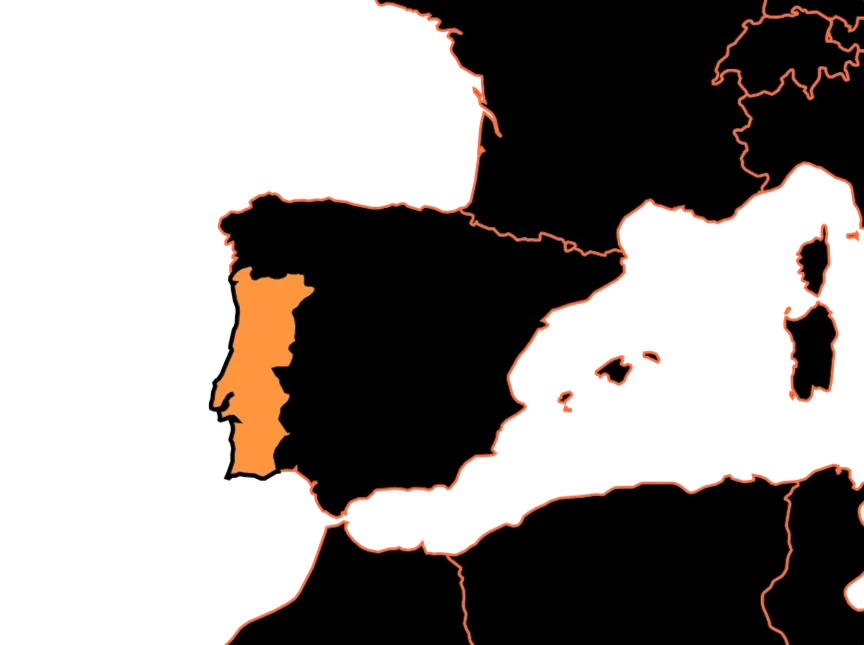
Portugal
Continent:
Europe
We haven’t studied these countries yet: Andorra and Morocco.
Come back in a few weeks and they might already be here.
Superhero stories
Interesting facts about Spain






To take away
Would you like a hard copy?
One Spain worksheet, ready to print. You print it, curiosity does the rest.