
Cenotes
The gates to the Maya secret world.
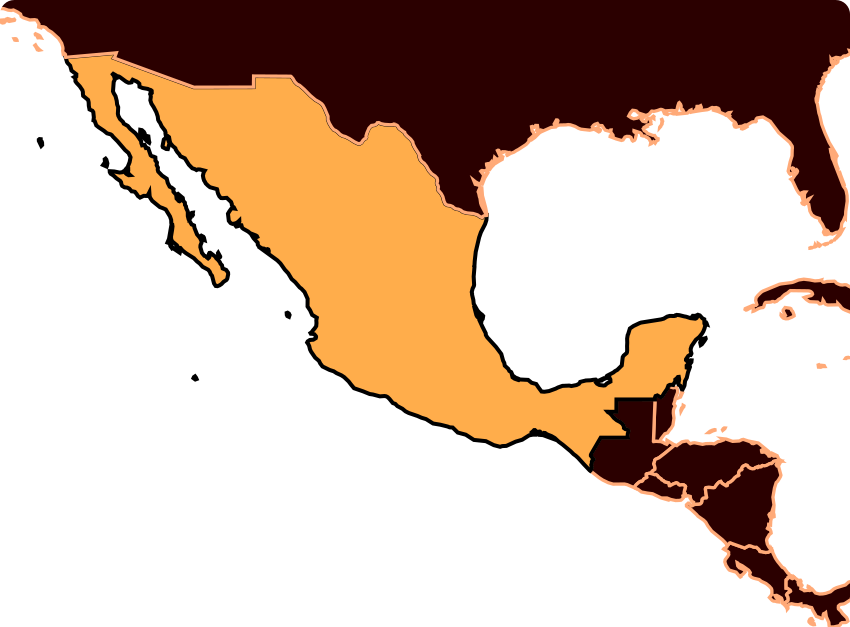
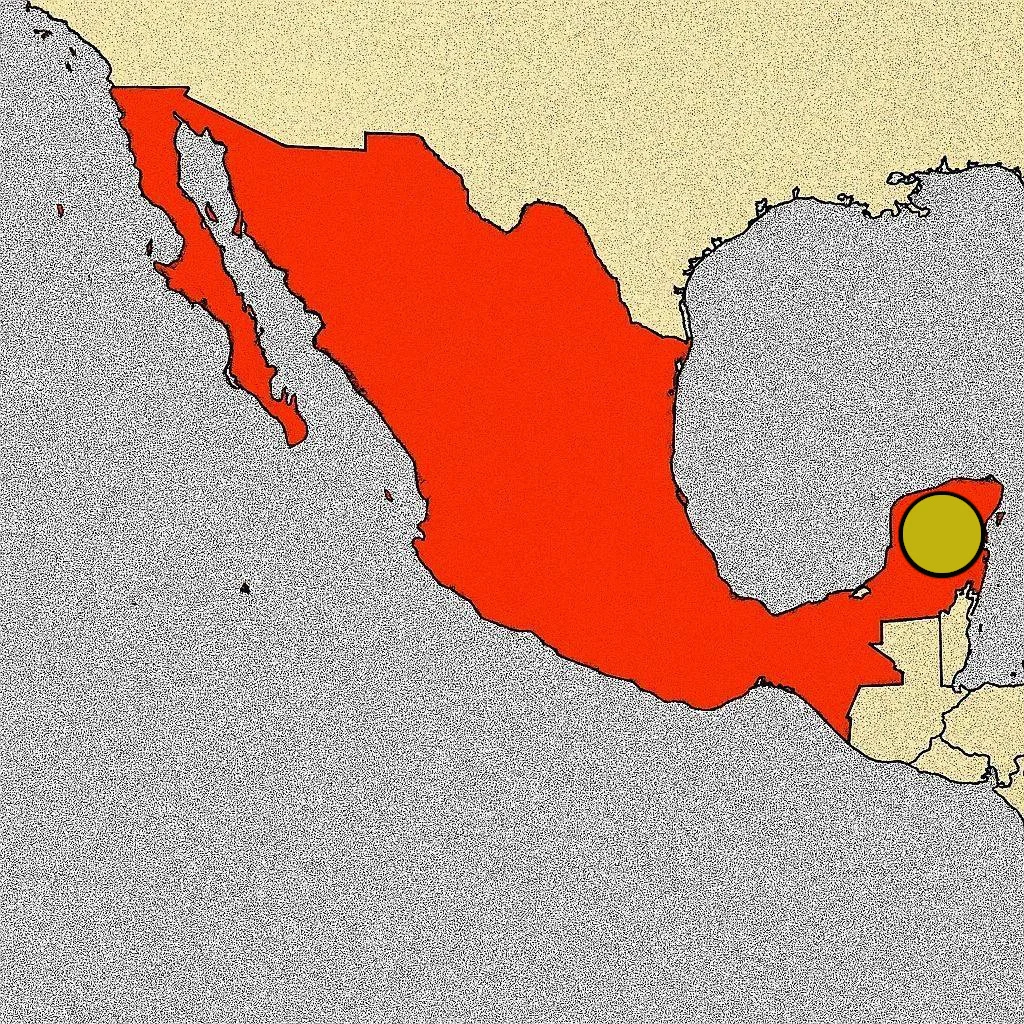
On the Yucatán Peninsula there is a place where water appears in a very special way. Instead of flowing in rivers or lakes, it emerges in huge caves filled with crystal-clear water. Some are open to the sky, while others remain hidden underground. These are the cenotes, one of Mexico’s greatest natural treasures.
The most surprising thing is that there are not just a few. In Yucatán there are thousands of cenotes scattered throughout the region. Many are connected to one another by an immense network of underground rivers that runs through the interior of the peninsula like a gigantic labyrinth hidden beneath our feet.
A landscape created over millions of years
The Yucatán Peninsula is made almost entirely of limestone. Over millions of years, rainwater slowly seeped through the cracks in that rock. Over time, it dissolved it and created long passages and enormous underground caves.
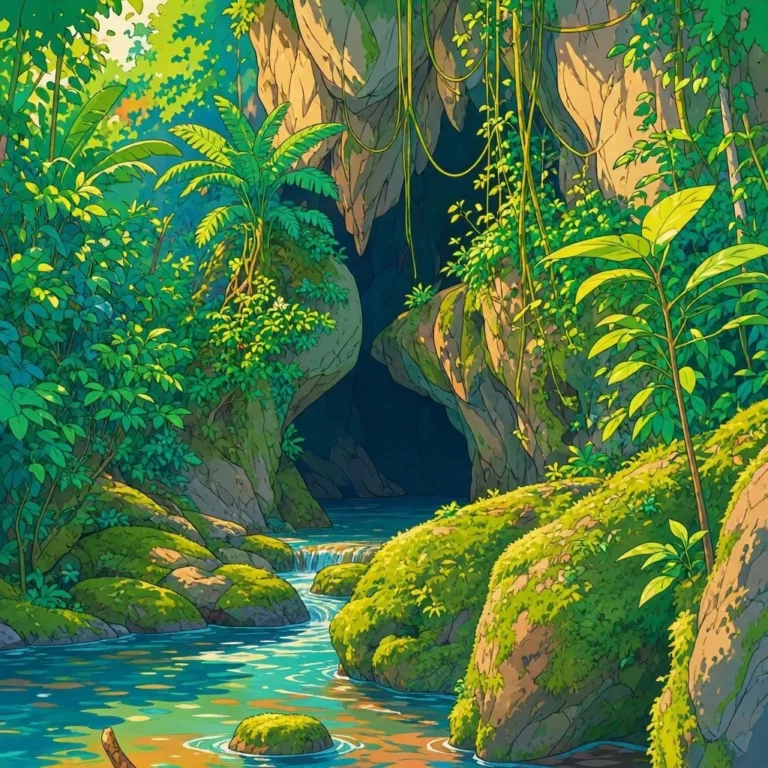
In some places, the roof of those caves eventually collapsed. Then an opening appeared that revealed the water below. That is how cenotes were born. Some look like small natural pools surrounded by trees. Others have rock walls that descend several meters until they reach the water, while some remain completely hidden inside dark caverns.
The water is often so clear that the rocks on the bottom can be seen from the surface. Many cenotes are also home to fish, turtles, and other species adapted to this curious underground world.
Entrances to the underworld
For the ancient Maya, cenotes were much more than simple water reservoirs. They believed that those deep caves connected to Xibalbá, the mysterious underworld mentioned in their legends.
According to their beliefs, that was the place where gods and spirits lived. That is why many cenotes were considered sacred. There they carried out ceremonies, left offerings, and even threw valuable objects to honor their gods and ask for rain, good harvests, or protection.
Archaeologists have found pots, jewelry, tools, and even human remains at the bottom of some cenotes. Thanks to these discoveries, we now know how important these places were for Maya civilization.
The water that gave life
Cenotes were also essential for everyday life. Unlike other regions, surface rivers barely exist in much of Yucatán. Fresh water is found underground.
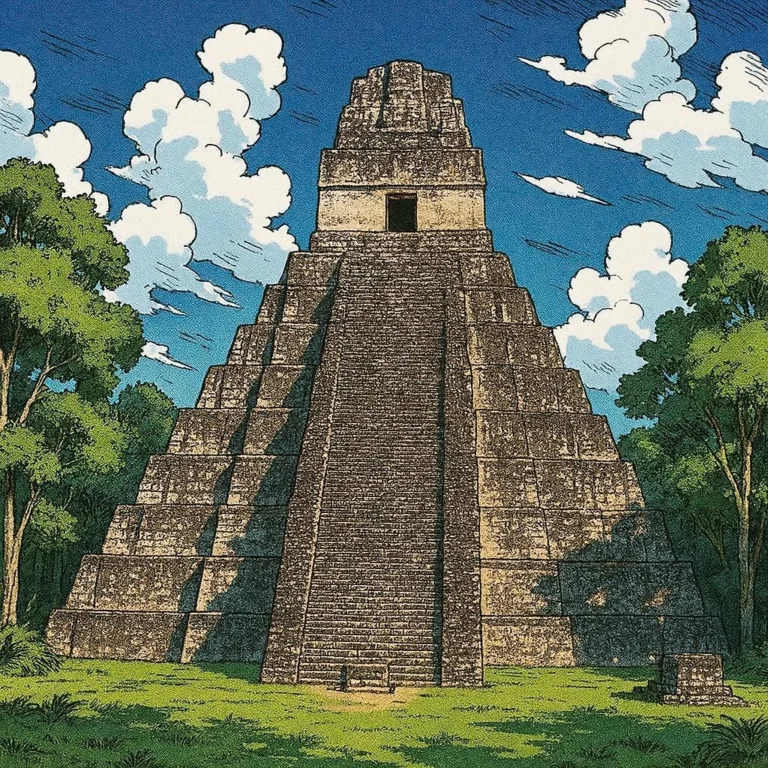
Thanks to the cenotes, the Maya were able to build great cities such as Chichén Itzá and many other settlements. These natural wells provided them with water to drink, cook, and grow their food. Without them, life in this part of Mexico would have been much more difficult.
A world to explore
Today many cenotes can be visited, and each one is different. Some receive sunlight throughout the day and look like turquoise pools. Others remain almost dark and are full of stalactites and stalagmites that have taken thousands of years to form.
Divers consider this region one of the most spectacular places in the world. Underwater, there is a huge network of interconnected caves that is still being explored. In some cases, the passageways extend for dozens of kilometers.
A Unique Natural Treasure
The cenotes of Yucatán are much more than a beautiful landscape. They are the result of millions of years of nature’s work, they hide some of the largest flooded cave systems on the planet, and they preserve the history of one of the most important civilizations in the Americas.
That is why they are a true natural treasure. They bring together geology, water, biodiversity, and history in one place. In addition, they continue to spark the imagination of those who visit them. Looking at the blue water disappearing into the darkness, it is easy to understand why the Maya believed those caves were the entrance to a secret world hidden beneath the Earth.