
Suomenlinna
The fortress that lives on the sea
Imagine arriving by boat at an island and discovering that you have not reached a normal island. In front of you appear huge stone walls, ancient cannons, dark tunnels, and paths that run through an entire fortress.
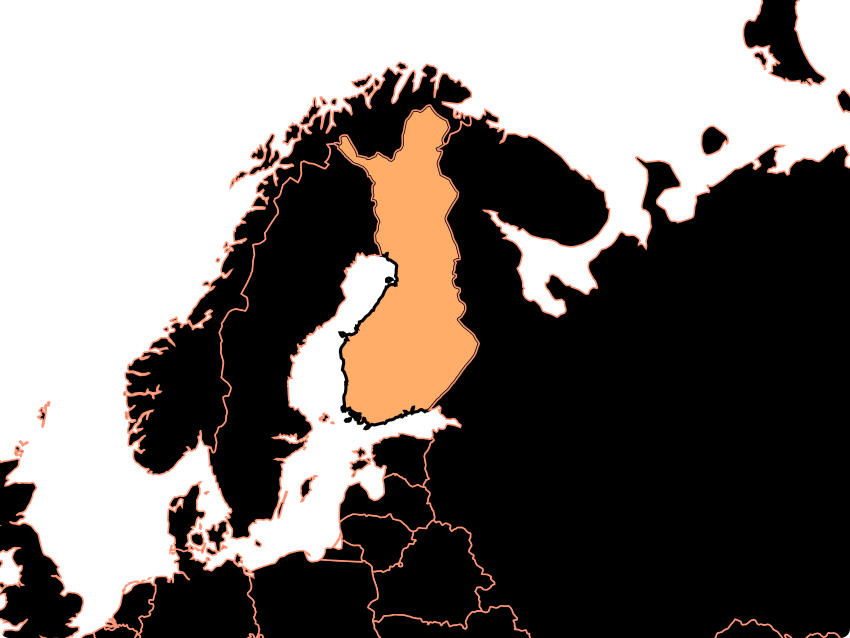
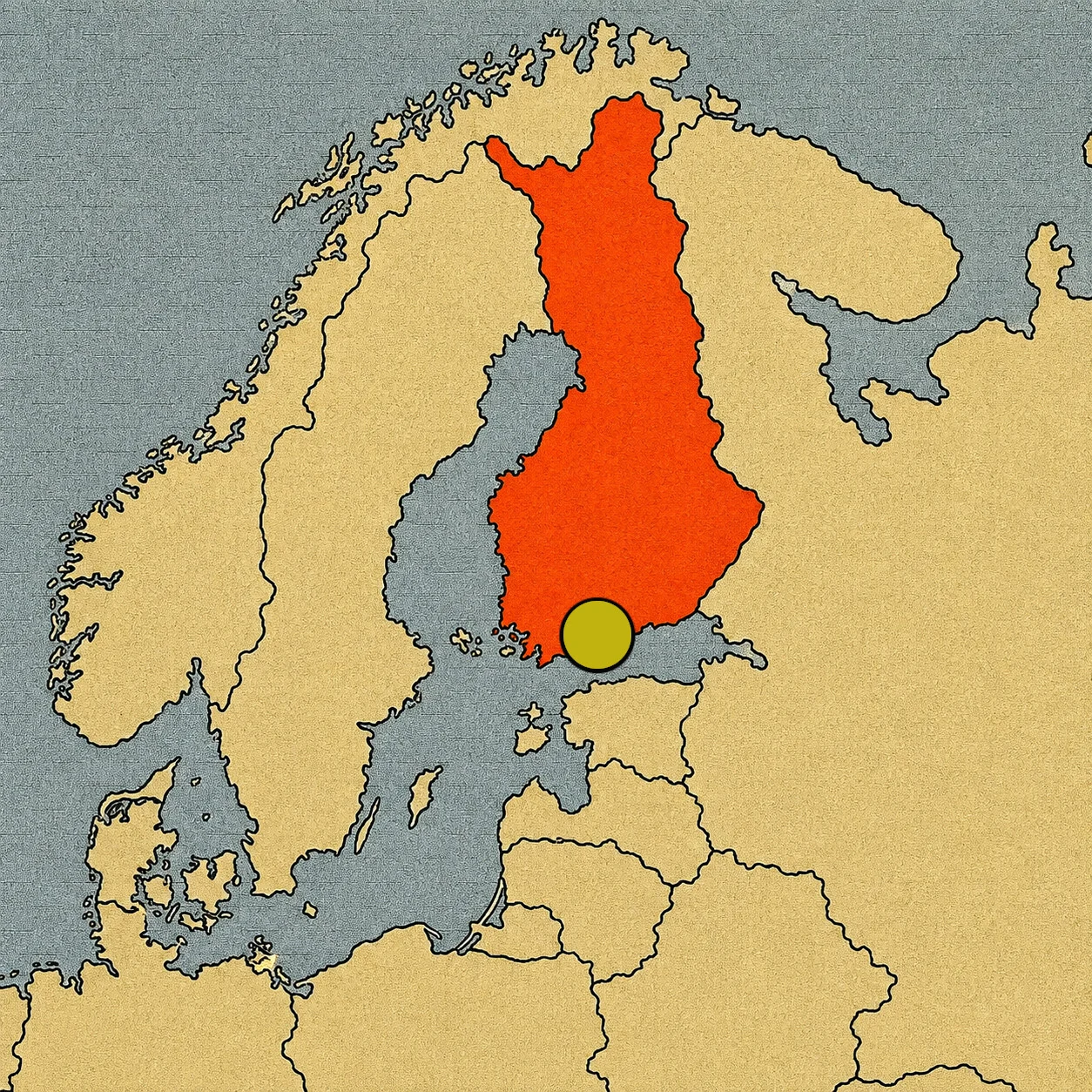
And the strangest thing is that this fortress is not on the mainland. It is spread across several islands off the coast of Helsinki, in the middle of the Baltic Sea. It is called Suomenlinna and it has been watching over the waters surrounding Finland’s capital for over 270 years. Today you can walk along its walls, enter tunnels, discover old buildings, and look out at the sea from places where soldiers spent centuries waiting for possible enemies.
A fortress across several islands
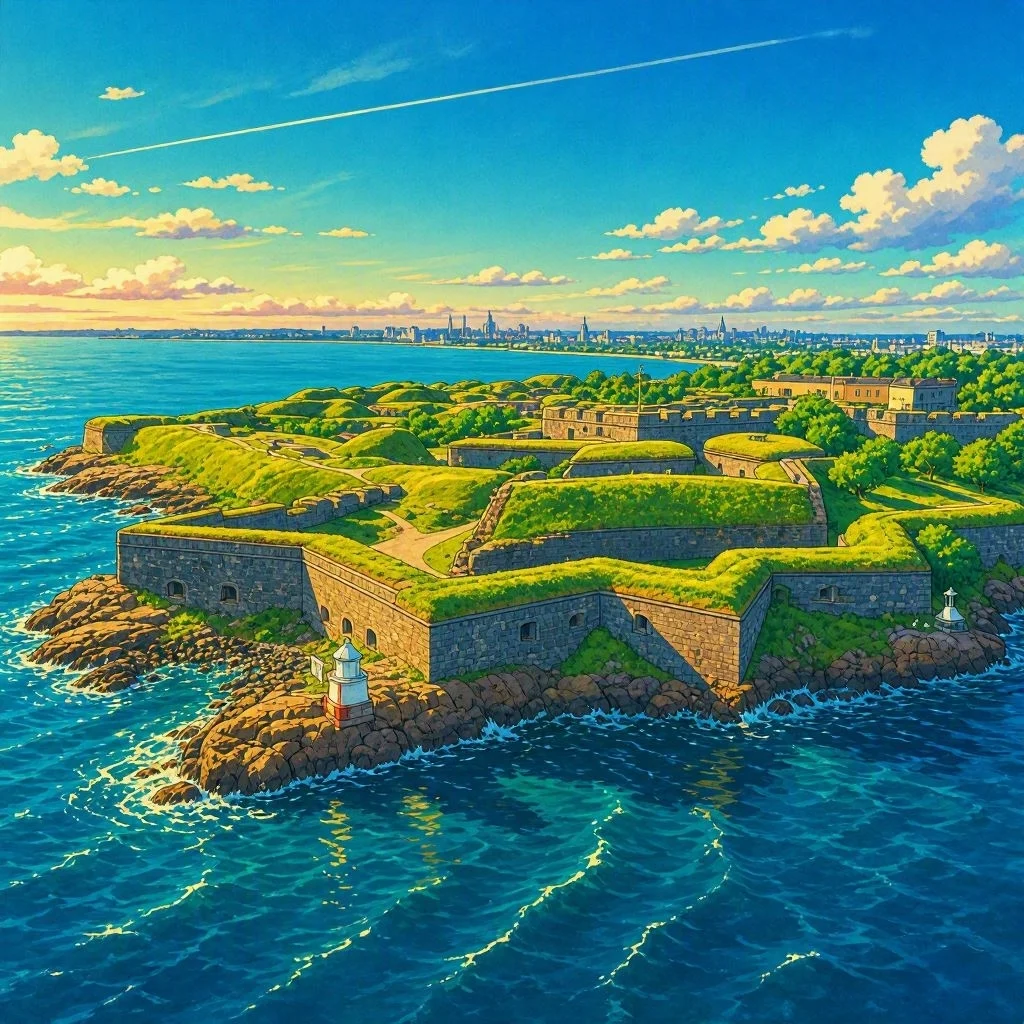
Suomenlinna is a huge fortification built on a group of rocky islands. Its position was precisely what made it so important. From there, it was possible to control the shipping routes leading to Helsinki and protect access to the city.
But in the 18th century, Helsinki did not belong to Finland as an independent country. It was part of the Kingdom of Sweden. At that time, Sweden’s great rival in northern Europe was the Russian Empire. The Baltic Sea was a strategic area, and the powers needed to control ports, coasts, and trade routes.
That is why, in 1748, the construction of a massive sea fortress began on the islands. Its original name was Sveaborg, which roughly means “fortress of Sweden.”
A city made of stone
Building a fortress on islands was not easy. Workers had to raise walls on rocky surfaces, transport huge amounts of stone, and create spaces capable of withstanding attacks.
The fortress grew little by little. Bastions, warehouses, barracks, courtyards, administrative buildings, and artillery batteries appeared. The bastions were especially important. Their shapes made it possible to place cannons so they could cover different directions and defend the walls.
From the sea, Suomenlinna must have looked like a barrier difficult to break through. From the inside, it was practically a small military city. And you can still explore much of that structure today.
The enemy arrived by sea
The fortress was designed to face a threat that eventually arrived. In 1808, during the war between Sweden and Russia, Russian troops advanced toward Finland. Sveaborg was one of the most important military positions in the area.
But something unexpected happened. The fortress surrendered to the Russians in May 1808. From then on, the territory came under Russian control, and the fortress gained even more importance in the defense of the Russian Empire in the Baltic. For decades, its structures were repaired and new facilities were built. But wars and the passage of time also left their marks.
Cannons facing the horizon
When you walk through Suomenlinna today, one of the easiest images to picture is that of cannons pointing out to sea. Some were installed in different historical periods and belong to different eras. There are pieces related to the Swedish, Russian, and Finnish periods.
The cannons thus tell a curious story: the same fortress was used by different countries and armies over the centuries. The walls also show that mix of eras. In some places, you find old stone constructions and large bastions. In others, later military buildings, warehouses, and structures adapted to new needs appear.
Suomenlinna is not a fortress frozen in a single moment. It is a fortress built, modified, and reused for generations.
Tunnels beneath the walls
One of the most mysterious elements is its tunnels. Some areas of the fortress are crossed by passageways and defensive spaces excavated or built right inside the structures. In certain places, the light disappears, and the stone walls make the journey feel like a true adventure. These spaces had military functions. They were used to move soldiers, protect certain positions, and connect different parts of the defenses.
Today, some tunnels can be explored, although some areas are closed for safety. Walking through them helps you imagine what life was like for those who stayed in the fortress when a battle could begin at any moment.
A fortress that changed its name
The history of Suomenlinna is also hidden in its name. During the Swedish period, it was called Sveaborg. Later, under Russian rule, it was known as Viapori, an adaptation of the Swedish name.
When Finland gained its independence in 1917, the fortress finally passed into Finnish hands. In 1918, it received the name Suomenlinna, which means “fortress of Finland.” The exact same place had passed through different powers and had different names.
A fortress where people still live
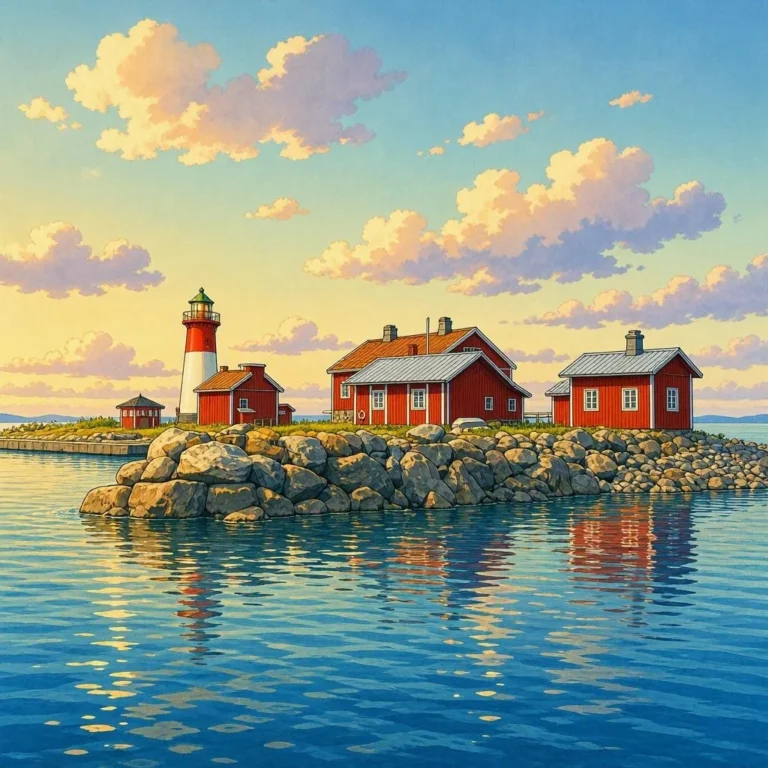
There is something that makes Suomenlinna even more curious. It is not an abandoned ruin. There are homes on the islands, and residents live there all year round. There are also restaurants, museums, workshops, workspaces, and services for visitors. This means the fortress continues to be a living place.
A wonder over the Baltic
Suomenlinna is one of those structures that forces you to look at a map differently. It is not simply a fortress placed next to the sea. The fortress is the landscape. It is made up of islands, walls, tunnels, bastions, cannons, buildings, and paths connected to the water. For centuries it was a place of defense, changed hands, changed names, and survived wars and political transformations.
Suomenlinna proves that some wonders do not need to be hidden in a mountain or have a giant tower. Sometimes it is enough to look out at the sea and discover that, on some small rocky islands, someone built a fortress that is still there today.