
Lampivaara
The mine where you can dig up your very own amethyst
Imagine walking through a Lapland forest, climbing a hill, and entering a mine where the rocks are more than 2 billion years old. Then they hand you a small tool and tell you something surprising: you can search for your very own amethyst and take it home with you.
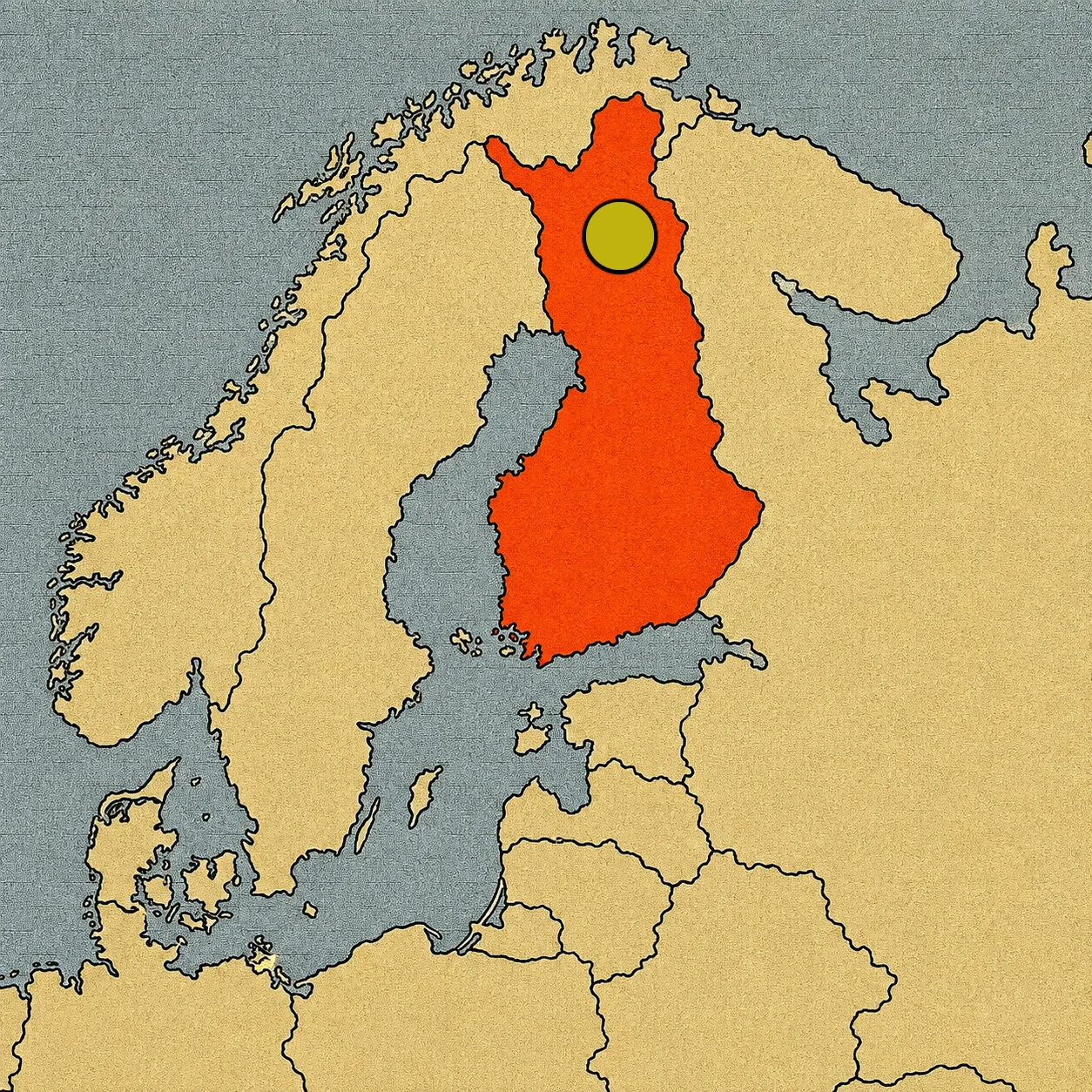
It is not a pirate story or an archaeological excavation. It is the Lampivaara amethyst mine, located in the Pyhä-Luosto landscape in northern Finland. Here, the adventure is about doing something very simple: looking at a rock, tapping it carefully, and discovering what is hidden inside.
A mountain full of secrets
Lampivaara is located within the Pyhä-Luosto area, a region known for its forests, hills, and ancient rock formations. The landscape seems peaceful, but beneath your feet lies a history much older than any city.
The rocks in this area belong to one of the oldest geological formations in Finland. They formed more than two billion years ago, when Earth was very different from the world we know today.
Human beings did not exist yet. There weren’t even land animals as we know them today. And roads, houses, and mines certainly did not exist. But inside those rocks, a story was already beginning that would eventually create something precious: amethyst crystals.
How is an amethyst born?
Amethyst is a variety of quartz, one of the most common minerals in the Earth’s crust. Its most striking feature is its violet color, which can range from a very soft tone to a deep purple.
To form these crystals, the right conditions are needed inside the rock. A very long time ago, hot liquids rich in mineral substances circulated through cracks and spaces in the area’s rocks. Over time, those materials formed crystals.
The amethyst of Lampivaara is associated with ancient volcanic rocks. Its story began when magma and hot rocks participated in geological processes that occurred more than 2 billion years ago. Then came something essential: time. Crystals do not appear quickly. They grow over enormous periods while the chemistry and temperature of the rocks slowly change.
A crystal hidden for millions of years
The most fun part of Lampivaara is that you can become a geological explorer for a while. During the tour of the mine, participants receive tools and can search for small amethyst crystals among the material available for digging.
The idea is not to open a huge tunnel like a miner in a movie. It is to observe, remove small amounts of rock, and learn to recognize the signs that might indicate a crystal is hiding there. And then the magical moment can happen. You tap a rock carefully, pull it apart, and a violet surface appears. You haven’t just found a jewel made in a store. You have just discovered a mineral that began forming long before human beings ever existed.
The search starts at the top
Getting to the mine is also part of the adventure. Lampivaara is located on a hill in the Pyhä-Luosto area, surrounded by the Lapland landscape. Depending on the time of year, the trail can present very different conditions.
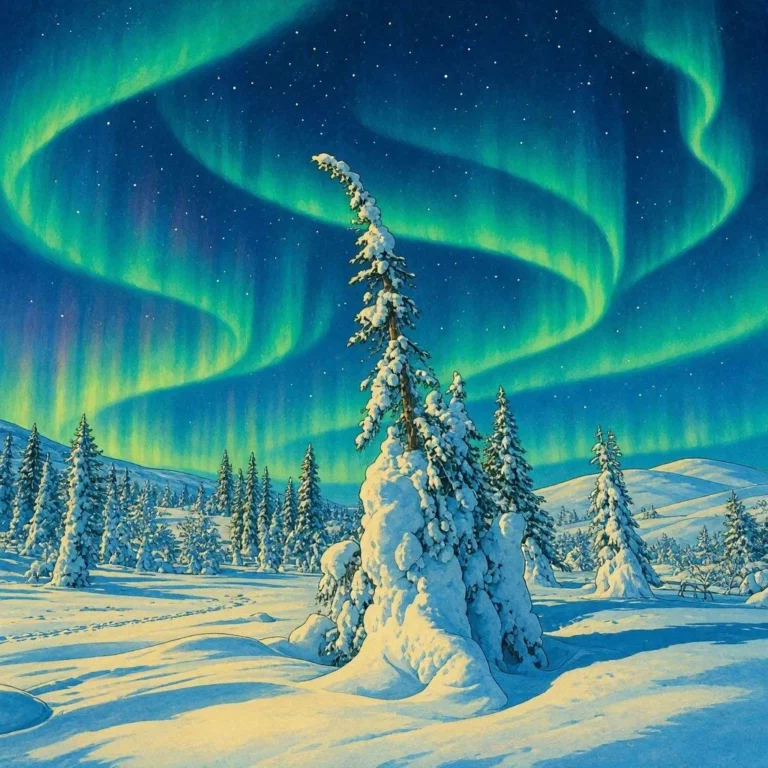
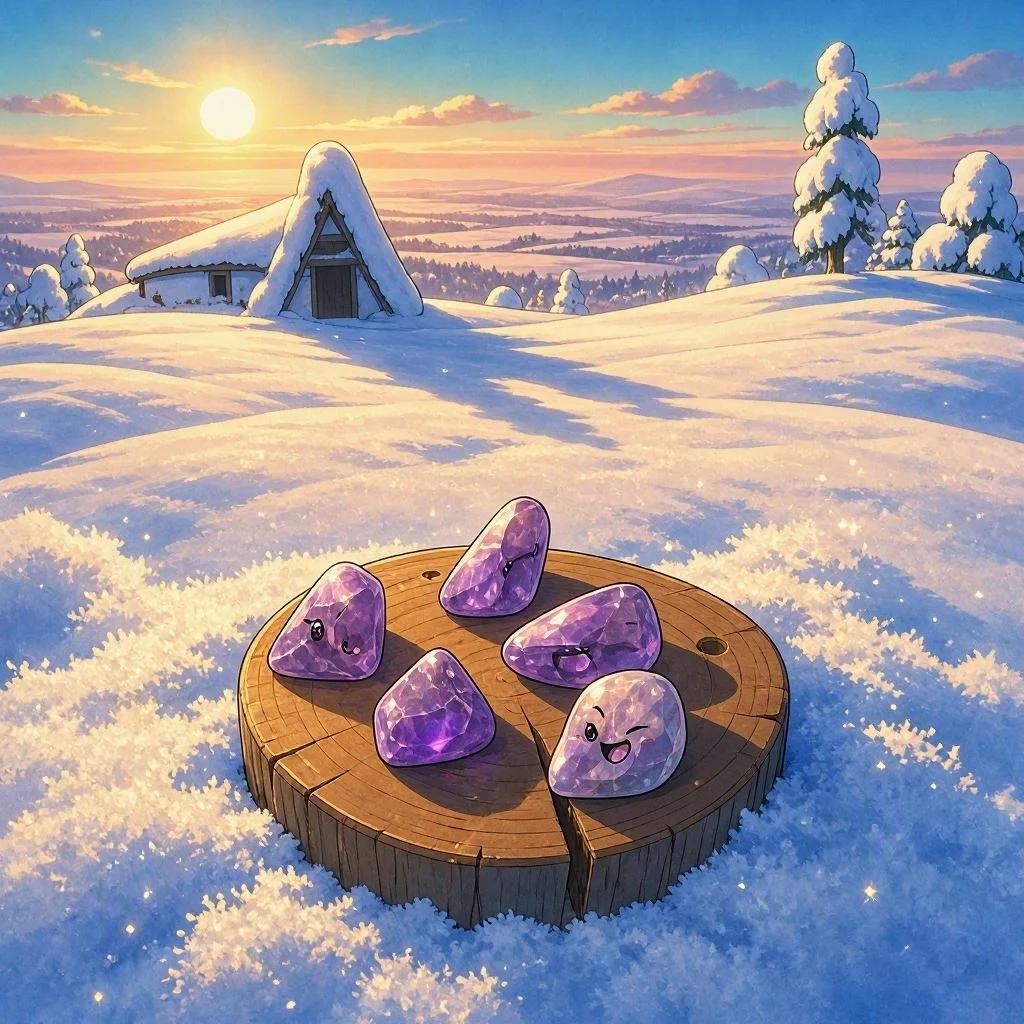
In summer, green forests and paths among the hills appear. In winter, snow completely transforms the scenery. The journey to the mine means the experience isn’t just about stepping into an underground room. First, you have to travel through the landscape. Then comes the digging. And finally, the little treasure appears. It is an adventure that blends nature, geology, and exploration all in one place.
Why is it violet?
Pure quartz is transparent or can have different shades, but amethyst has that famous violet color due to small amounts of iron and processes related to natural radiation and the crystal’s structure.
This means its color is not simply paint trapped inside the rock. It is related to how its atoms are organized and the chemical history the mineral experienced.
That is why two crystals can have different colors. Some are almost transparent, while others show a much more intense violet. When you find one, you are seeing the result of a combination of chemistry, heat, pressure, minerals, and a whole lot of time.
A geological time capsule
There is something even more impressive when you hold a Lampivaara amethyst. Its age forces us to change our scale of time. Two billion years is an amount that is hard to imagine. Our species appeared much later. The first great civilizations arose just a few thousand years ago.
An ancient city might be two or three thousand years old. A medieval castle might be less than a thousand. The amethyst was forming its crystal structure long before all of that.
That is why a small crystal can act as a sort of time capsule. It does not contain a written message, but its composition and structure hold information about the geological conditions in which it formed.
A mini-adventure from another time
Lampivaara turns a hike through the Lapland forests into a little treasure hunt. Walking up the hill, entering the mining area, learning to recognize the rocks, digging carefully, and discovering a violet flash.
The experience at Lampivaara has something that geology books don’t always manage to convey. And perhaps that is why, when you walk out of the mine with your amethyst in your hand, you never look at a simple rock the same way again.