

Danube Delta
The Danube Delta: A Natural Treasure of Incalculable Value
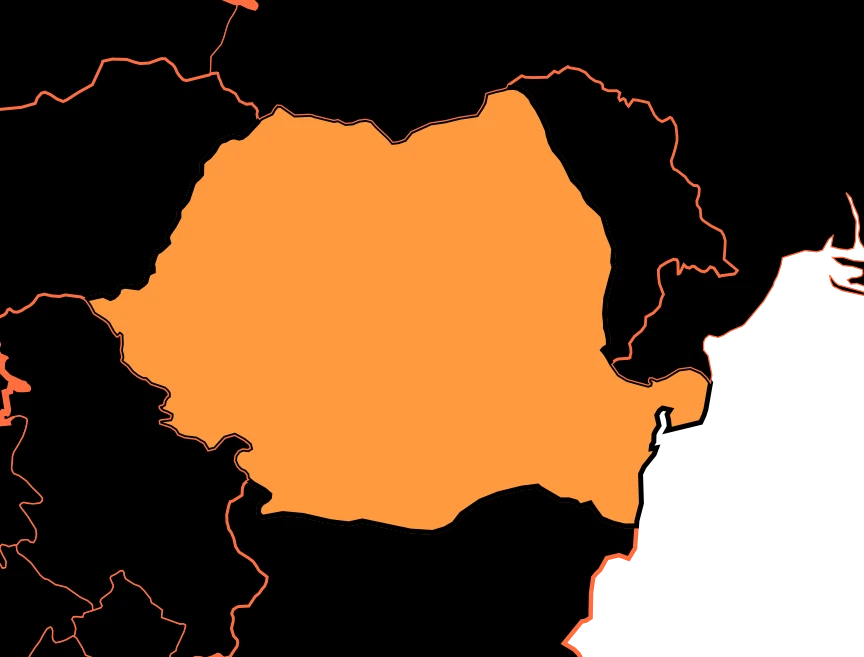
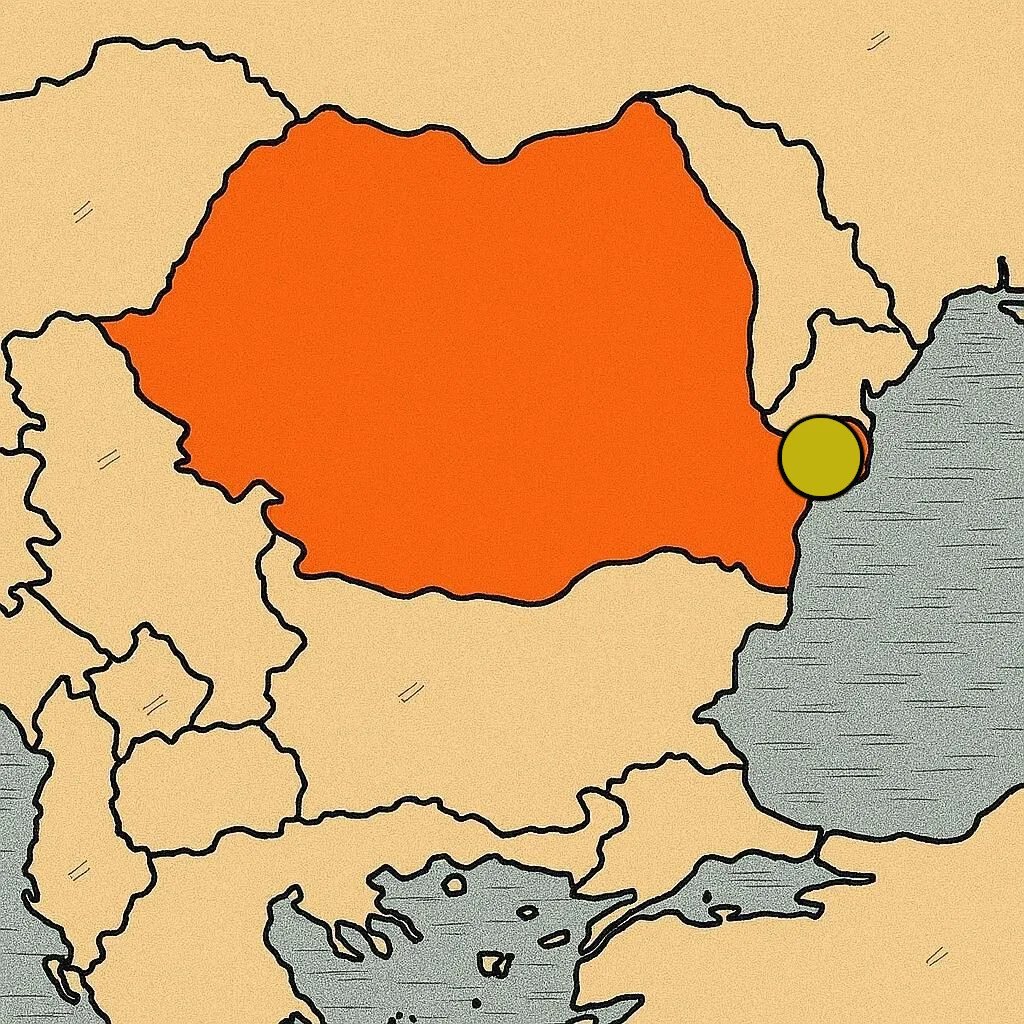
The Danube Delta, a vast and pristine expanse of wetlands, is one of the largest and best-preserved river deltas in Europe. Located in southeastern Romania, where the imposing Danube River meets the Black Sea, this labyrinth of channels, lakes, marshes, and floating groves is a living testament to the power and generosity of nature. Its geography is a dynamic mosaic, formed by the continuous sedimentation that the river has deposited over millennia. After traveling thousands of kilometers from its source in Germany, the Danube splits into three main branches—Chilia, Sulina, and Sfântu Gheorghe—which in turn divide into countless secondary branches, channels, and streams, creating an intricate hydrographic network that extends over approximately 4,300 square kilometers. This constantly changing land, advancing into the sea in some areas and retreating in others, offers a landscape of breathtaking beauty, characterized by a diversity of habitats ranging from extensive reed beds to dense poplar and willow forests, as well as brackish lagoons and sandy beaches. The delta’s average altitude is minimal, rarely exceeding a few meters above sea level, which makes it a vulnerable ecosystem but at the same time extraordinarily fertile and productive.
The biodiversity of the Danube Delta
The uniqueness of the Danube Delta as a natural treasure lies in its exceptional biodiversity and the natural phenomena that occur there. It is a wildlife sanctuary, home to an astonishing variety of species that have found refuge and a habitat in its wetlands. It is estimated that more than 1,200 plant species live in the delta, many of them endemic and adapted to the specific conditions of saline and waterlogged soils. The delta’s flora includes everything from imposing water lilies and reeds that form dense expanses to rarer and more specialized species. However, the delta is especially famous for its birdlife. With more than 300 recorded bird species, it is one of the world’s most important birdwatching destinations. During migrations, the delta becomes a crucial stopover point for millions of waterfowl, wading birds, and birds of prey traveling between Europe and Africa. Iconic species such as the great white pelican (Pelecanus onocrotalus) and the Dalmatian pelican (Pelecanus crispus) nest here, forming large breeding colonies, along with cormorants, herons, spoonbills, and a wide variety of ducks and geese. The delta is also a vital habitat for several fish species, with more than 150 recorded species, including sturgeons that migrate from the Black Sea to spawn in the river, although unfortunately their population has been severely reduced. In addition, the delta is home to mammals such as the European mink, otter, fox, and various species of rodents and reptiles, each playing a crucial role in the ecological balance of the ecosystem.
The Danube Delta as a unique ecosystem
Beyond its intrinsic biological richness, the Danube Delta offers exceptional natural phenomena and landscapes of outstanding global beauty. The constant dynamics of the river and the sea create a landscape in perpetual motion, where islands form and erode, channels change course, and sandbanks appear and disappear. This process of transformation is one of the most fascinating geological phenomena in Europe. The formation of the “plauri” or floating vegetation islands is another unique natural spectacle. These elaborate structures, made up of a network of aquatic plant roots and sediments, can reach considerable sizes and move through the lagoons, carrying plants, animals, and even small trees with them. The preservation of this ecosystem is essential not only for its intrinsic value, but also for the ecosystem services it provides, such as water purification, flood protection, and climate regulation. The absence of massive industrialization and intensive agriculture has allowed the delta to retain its wild state and exceptional environmental quality, making it an incomparable natural laboratory for the study of wetland ecosystems and a leading sustainable ecotourism destination. For all these reasons, the Danube Delta has been designated a UNESCO Biosphere Reserve and World Heritage Site, recognizing its outstanding universal value and the urgent need for its protection for future generations.