
Meet: Daculavrig
That’s how Romania would be if it was a superhero:
Daculavrig

Population:
18.800.605,00 inhab
Pop. Growth:
-3,77 %
Area:
230.170,00 km2
Density:
82,00 hab/km2
Wealth:
20.080,20 $/person
Literacy:
99,16 %
Largest city:
Bucharest - 1,909,536 inhab
Urban population:
55,20 %
Life expectancy:
76,25 years
Average age:
43,20 years
Highest peak:
Moldoveanu - 2,544 m
Largest river:
Danube - 2,850 km
Rainfall:
637,00 mm/m2
What are the defining characteristics of Romania?
The country of Daculavrig
Romanian Diaspora
The Romanian diaspora numbers around 5 million people. Italy, Spain, Germany and the United Kingdom are home to the largest numbers of Romanians living abroad.
Culture

Communism
Communism, as an ideology that profoundly shaped Romanian society for decades, left an indelible mark on its political, economic and social development.
History

Rural Life
Traditional rural life is a cornerstone of Romanian identity, preserving ancestral customs and values.
Culture

The Carpathians
The Carpathians, the backbone of Romania, offer breathtaking scenery, from snow-capped peaks to lush green valleys. Home to a diverse range of wildlife and charming villages, they invite you to embark on an adventure and explore.
Nature

Orthodox Christianity
Orthodox Christianity is the branch of Christianity that originated in the Eastern Roman Empire and is characterised by its rich liturgical and theological tradition.
Culture

Stefan cel Mare
Stephen the Great was Prince of Moldavia from 1457 to 1504. He is venerated as a great ruler and saint by the Romanian Orthodox Church.
Person
Romania: featured
The file of Daculavrig tells us...
Romania
Official language(s): Romanian
Currency: Leu
Government: Semi-presidential system
Main religion: Christianity Orthodoxy
Demonym: Romanian
Bucharest
Hab. 1,909,536
Bucharest was once known as the ‘Paris of the East’ for its Belle Époque architecture and wide, tree-lined avenues. Much of that heritage was destroyed to make way for the communist blocks designed by the dictator Ceaușescu. Bucharest perfectly encapsulates what Romania is all about: a beautiful, historic city that was destroyed by communism and is now in the process of being rebuilt.
Timisoara
Hab. 319,240
Timisoara, situated in western Romania, is characterised by flat terrain, through which the River Bega flows. Its development has been influenced by its location on the border. Among its attractions are Victory Square, the Metropolitan Cathedral and the Theresia Bastion, which reflect its rich history and cultural diversity, making it an attractive destination to explore.
Cluj-Napoca
Hab. 310,650
Cluj-Napoca, situated in the heart of Transylvania, lies in a valley surrounded by hills, with the River Someșul Mic flowing through it. This city, a vibrant cultural and university centre, offers an intriguing blend of history and modernity. Its squares, parks and historic monuments invite visitors to explore.
Sibiu
Hab. 147,245
Sibiu, a gem of Transylvania, Romania, captivates visitors with its rich history and medieval architecture. Geographically situated in the heart of the country, the city enchants with its cobbled streets and lively squares. A unique feature are its ‘eyes on the rooftops’ – dormer windows that seem to gaze curiously at visitors, inviting them to discover its secrets.
The Danube
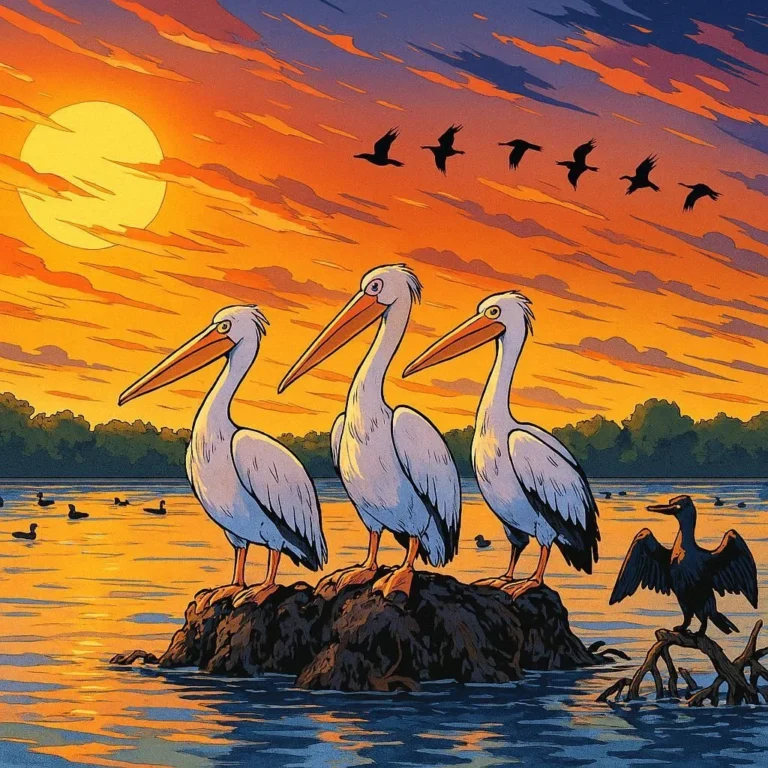
The River Danube plays a significant role in Romanian geography for several reasons: it forms the border with Bulgaria and Serbia, and with Ukraine in some sections; it has created highly fertile plains (among the most fertile in Europe) throughout the southern part of the country; and its delta, Europe’s largest wetland and the world’s largest reed bed, is arguably the best-preserved wildlife sanctuary on the continent.
The Carpathians
The Carpathians, which curve around the Transylvanian Plateau, form a natural barrier in Romania. These mountains feature numerous transverse and longitudinal valleys through which major rivers flow. Historically, these valleys made the Carpathians easy to defend, yet equally easy to traverse.
Transylvania
Transylvania, cradled by the Carpathian Mountains, is a secluded region boasting some of Europe's most abundant wildlife. It's a haven for creatures like bears and wolves. This isolated landscape offers a glimpse into a world untouched by extensive human development, preserving its natural beauty and diverse animal populations for all to experience.
Neighbouring countries
Superheroes who help each other
Serbia
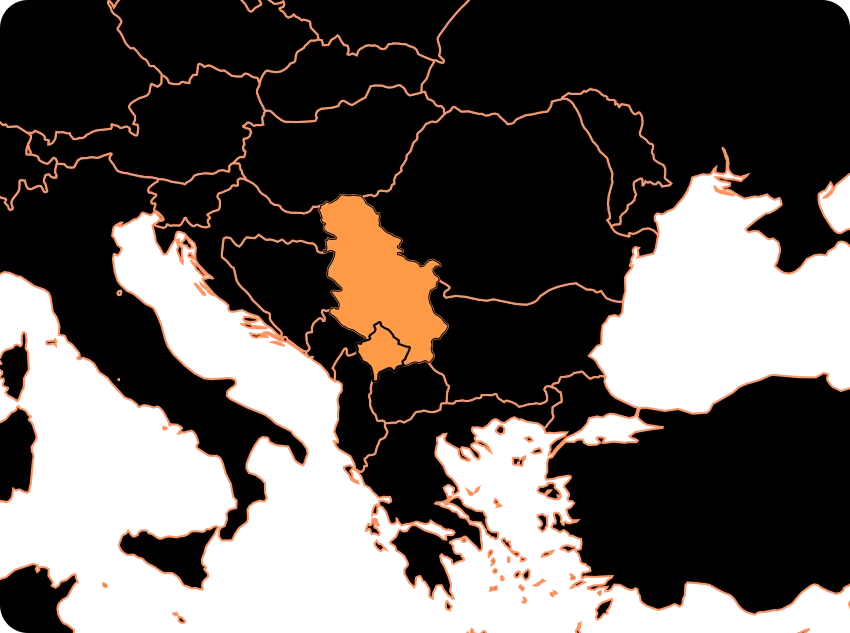
Continent:
Europe
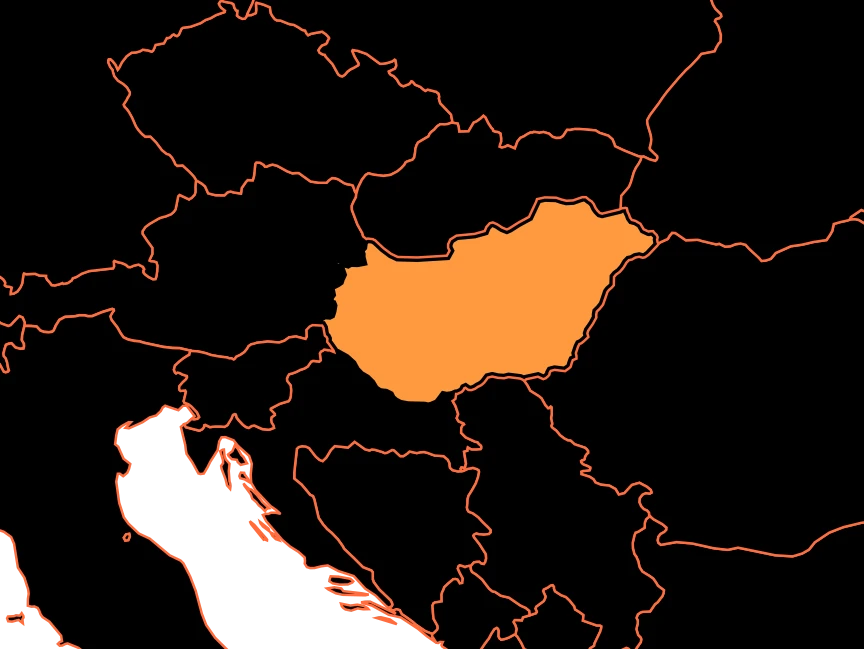
Hungary
Continent:
Europe
We haven’t studied these countries yet: Bulgaria, Moldova and Ukraine.
Come back in a few weeks and they might already be here.
Superhero stories
Interesting facts about Romania



To take away
Would you like a hard copy?
One Romania worksheet, ready to print. You print it, curiosity does the rest.