
Meet: Fetalimpic
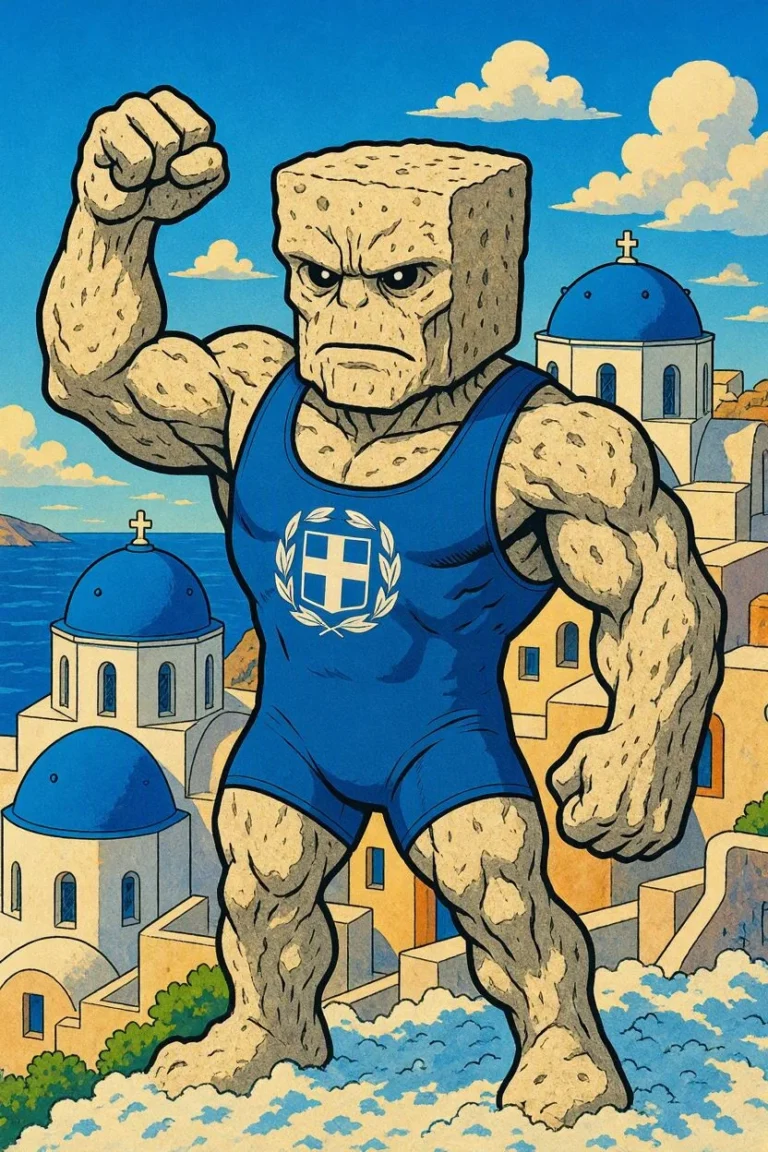
That’s how Greece would be if it was a superhero:
Fetalimpic
Population:
9.938.844,00 inhab
Pop. Growth:
-3,84 %
Area:
128.900,00 km2
Density:
77,00 hab/km2
Wealth:
24.626,10 $/person
Literacy:
93,91 %
Largest city:
Athens - 3,101,979 inhab
Urban population:
90,00 %
Life expectancy:
82,50 years
Average age:
46,80 years
Highest peak:
Mount Olympus - 2,917 m
Largest river:
Aliakamon - 297 km
Rainfall:
652,00 mm/m2
What are the defining characteristics of Greece?
The country of Fetalimpic
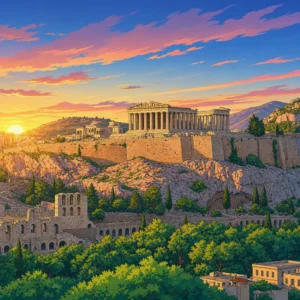
Hellenic Civilization
It developed philosophy, democracy, art, science, and literature, leaving a profound influence on Western culture, education, and thought.
History
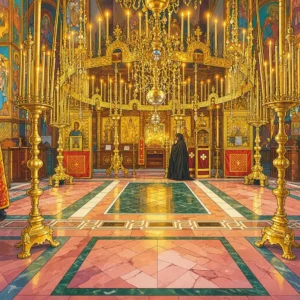
Orthodoxy
It connects modern Greece with the Byzantine Empire. Churches, icons, rituals, and religious celebrations remain important elements of Greek identity.
Culture
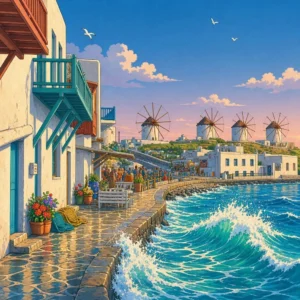
Aegean Sea
It surrounds Greece’s coasts and islands and, for centuries, facilitated navigation, trade, and cultural exchange, shaping an identity deeply connected to the sea.
Nature
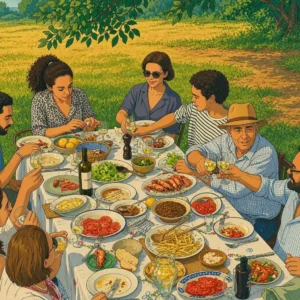
Family
It holds a central place in Greek society, with strong intergenerational bonds, mutual support, and family gatherings during celebrations and important occasions.
Culture
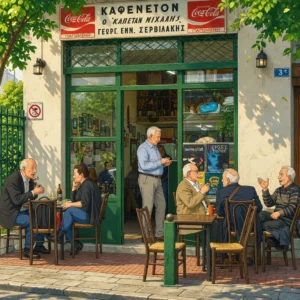
Kafeneio
The traditional Greek coffeehouse has been a place for gathering, conversation, and debate for generations, especially in local communities and villages.
Culture
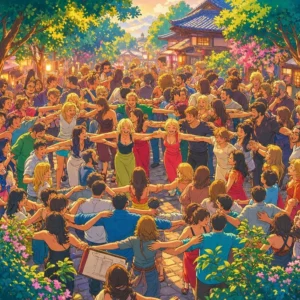
Panigiri
These are popular festivals, often dedicated to saints, where communities gather to share music, food, dancing, and religious celebrations.
Culture
Greece: featured
The file of Fetalimpic tells us...
Greece
Official language(s): Greek
Currency: Euro
Government: Parliamentary republic
Main religion: Orthodox Christianity
Demonym: Greek, Hellenic
Athens
Hab. 3,101,979
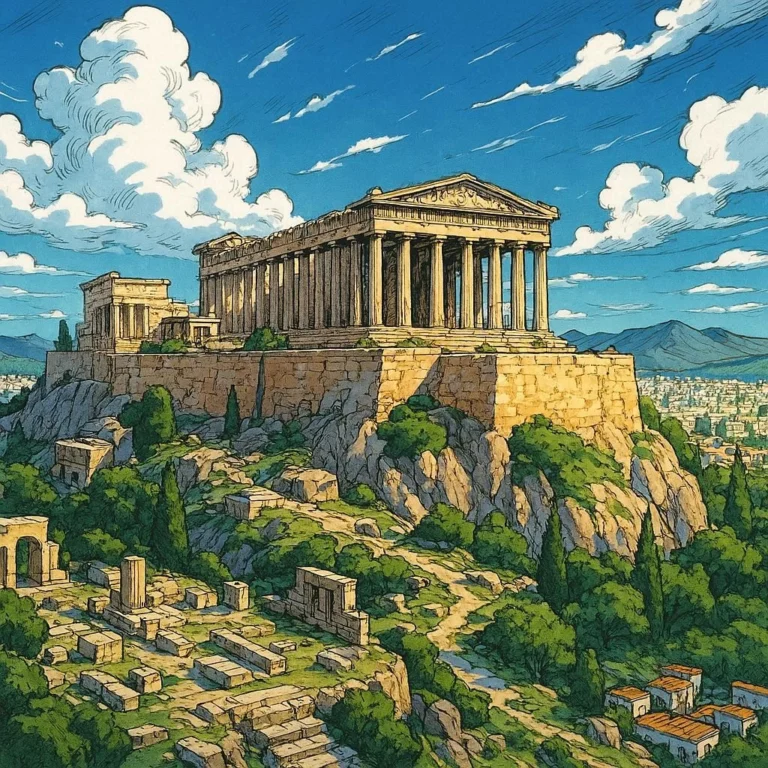
Athens is the capital of Greece and one of the most important cities in Western history. Its great symbol is the Acropolis, dominated by the Parthenon. The city combines ancient monuments with modern neighborhoods, markets, and a lively urban atmosphere. It is the country’s main political, cultural, and economic center.
Thessaloniki
Hab. 815,472
Thessaloniki is Greece’s second-largest city and the main city of northern Greece. Located on the Aegean Sea, its history has been shaped by Greeks, Romans, Byzantines, Ottomans, and Jewish communities. The White Tower is one of its symbols. Its university atmosphere, waterfront, and cuisine make it a particularly lively city.
Heraklion
Hab. 137,154
Heraklion is the capital of Crete and one of Greece’s main island cities. Its history is closely linked to the Minoan civilization, one of Europe’s earliest great cultures. Nearby is Knossos, the famous palace associated with the legendary King Minos. The city also preserves Venetian walls, a historic harbor, and a vibrant Mediterranean atmosphere.
Santorini
Hab. 15,480
Santorini is a spectacular volcanic island in the Aegean Sea, famous for its white villages built on the cliffs of a huge caldera. Its houses, blue-domed churches, and sunsets form one of Greece’s most recognizable landscapes. The island also reflects the power of volcanoes and the enormous eruption that transformed its territory in ancient times.
Aegean and Ionian Seas
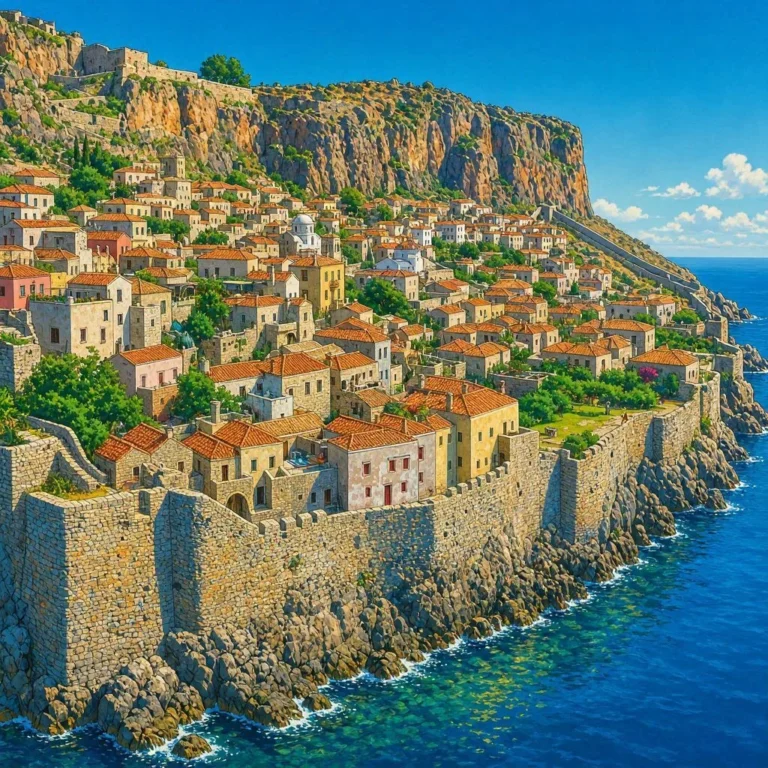
Greece is surrounded by the Aegean and Ionian Seas, which have deeply shaped its history, culture, and way of life. Its mainland and numerous islands mean that the sea is always close. For thousands of years, Greek waters have been not only a boundary, but also routes for navigation, trade, cultural exchange, and connections across the eastern Mediterranean.
Mount Olympus
Greece is an exceptionally mountainous country: mountains cover approximately four-fifths of its territory. Mount Olympus, the country’s highest mountain, reaches 2,918 meters and was considered in Greek mythology the home of the gods. Its mountains create landscapes of valleys, gorges, and forests and help explain the country’s remarkable geographical diversity.
Greek islands
Greece has thousands of islands and islets, mainly scattered across the Aegean and Ionian Seas, although only some are inhabited. Each group has different landscapes and traditions, from the white houses of the Cyclades to the mountains of Crete and the green shores of the Ionian Islands. Together, they form one of Greece’s defining geographical, cultural, and tourist features.
Neighbouring countries
Superheroes who help each other
We haven’t studied these countries yet: Albania, Bulgaria, North Macedonia and Turkey.
Come back in a few weeks and they might already be here.
Superhero stories
Interesting facts about Greece

To take away
Would you like a hard copy?
One Greece worksheet, ready to print. You print it, curiosity does the rest.