

Meet: Magbik
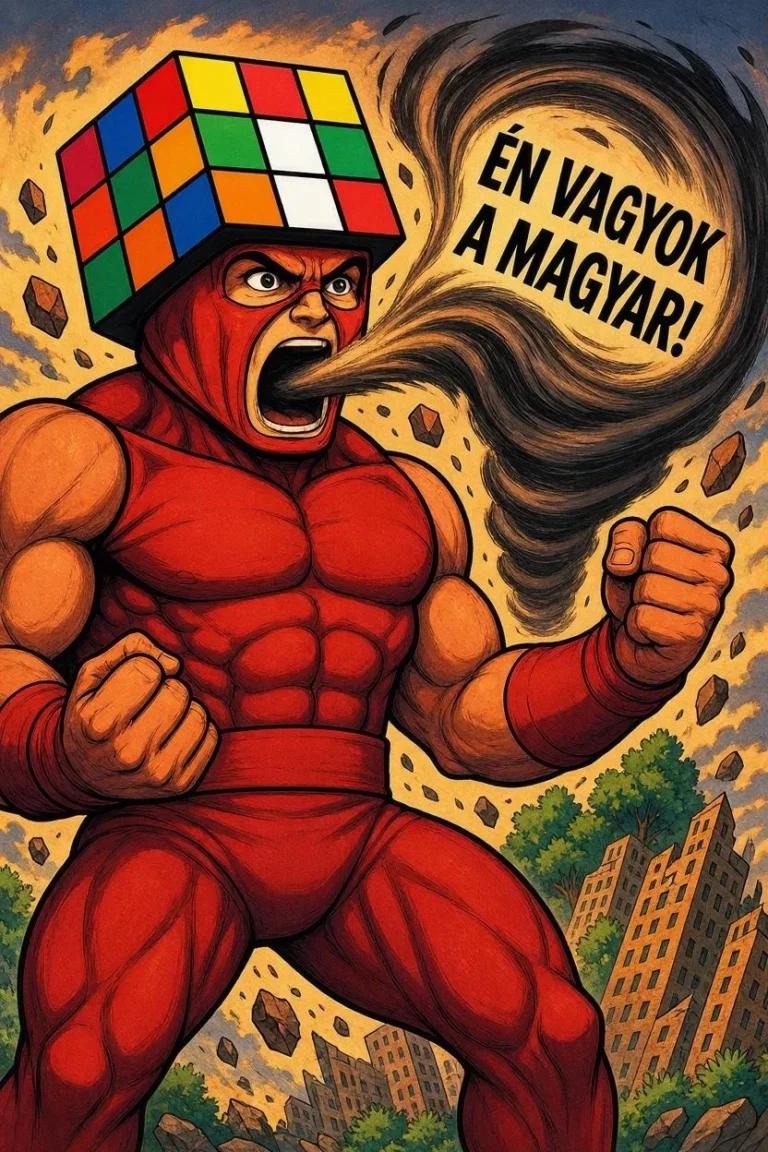
That’s how Hungary would be if it was a superhero:
Magbik
Population:
9.585.818,00 inhab
Pop. Growth:
-2,85 %
Area:
90.530,00 km2
Density:
106,00 hab/km2
Wealth:
23.292,30 $/person
Literacy:
99,10 %
Largest city:
Budapest - 1,609,260 inhab
Urban population:
72,40 %
Life expectancy:
77,50 years
Average age:
44,20 years
Highest peak:
Kekes - 1,014 m
Largest river:
Danube - 2,860 km
Rainfall:
589,00 mm/m2
What are the defining characteristics of Hungary?
The country of Magbik

Goulash
Goulash, a hearty stew originating in Hungary, delights with tender meat, smoked paprika and comforting vegetables, simmered to perfection.
Cuisine
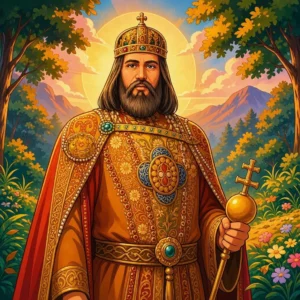
Saint Stephen
Saint Stephen founded the Kingdom of Hungary around the year 1000 and made Christianity one of the historical pillars of national identity.
Person
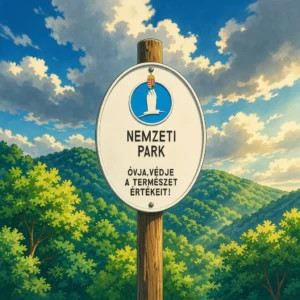
Hungarian language
One of Europe's most unique languages, belonging to the Uralic family. Its structure, vocabulary, and linguistic isolation reinforce a strong sense of its own identity.
Culture
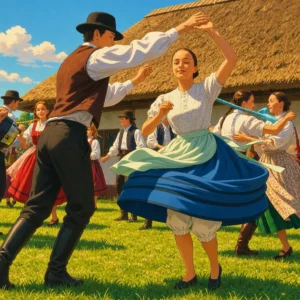
Hungarian folklore
Music, dances, embroidery, and rural traditions preserve a very distinctive folk culture, passed down through generations and fundamental to Hungarian identity.
Culture

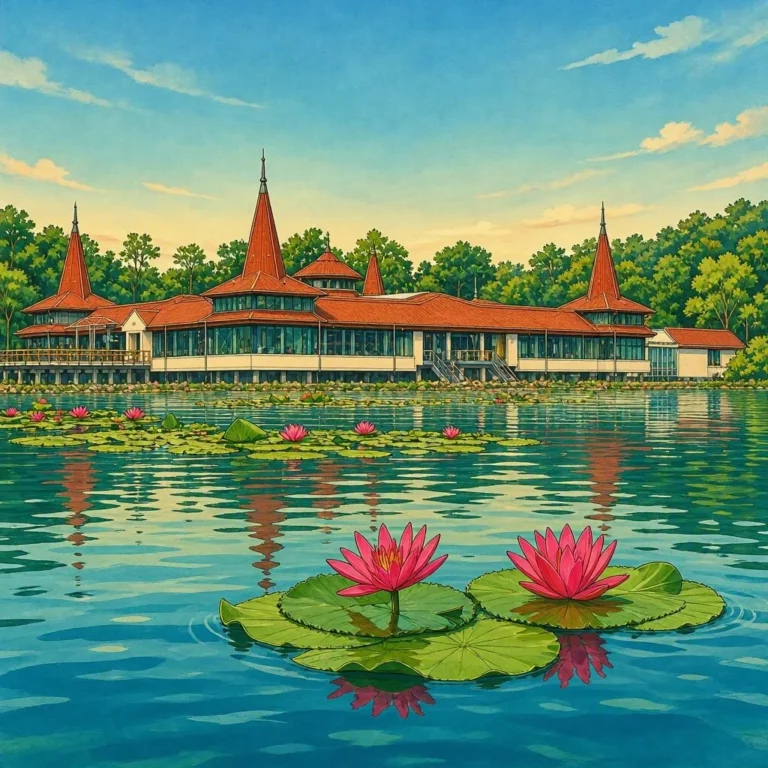
Hot springs
Thermal waters have been part of everyday Hungarian life for centuries. Budapest, built over numerous springs, is especially famous for its large bathhouses.
Architecture

Magyar heritage
The Magyars came from the Eurasian steppes and built the country's historical identity. Horseback archery represents their warrior, equestrian, and nomadic tradition.
History
Hungary: featured
The file of Magbik tells us...
Hungary
Official language(s): Hungarian
Currency: Hungarian Florin
Government: Parliamentary Republic
Main religion: Christianity Catholicism
Demonym: Hungaro, Magiar
Budapest
Hab. 1,609,260
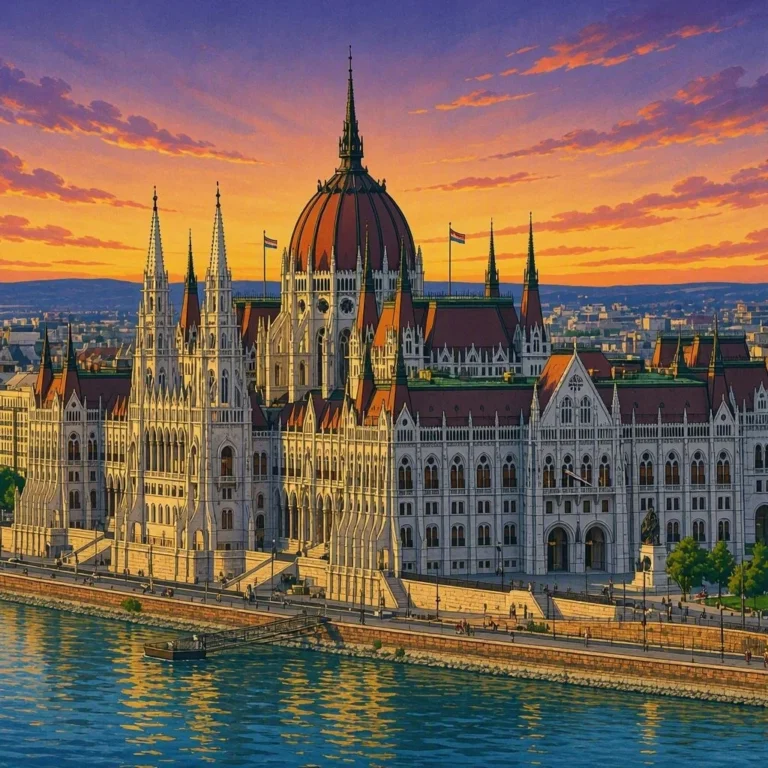
The city’s origins date back to the 1st century, but Budapest, as we know it today, came into being through the union of Buda, Obuda and Pest in 1873, when the first bridge over the Danube, the Chain Bridge, was built. Its rich history is reflected in monuments such as Buda Castle and the Parliament Building.
Debrecen
Hab. 204,124
Debrecen, situated on the Eastern Great Plain of Hungary, is the country’s second-largest city. It is known for its agricultural activity. It is notable for its Great Reformed Church, the city’s landmark, and the Déri Museum, which houses a significant collection of local art and history.
Miskolc
Hab. 172,637
Miskolc is situated in the north-east of the country, at the foot of the Bükk Mountains. It is renowned for its industrial heritage. It boasts thermal caves that are unique in Europe, and Diósgyőr Castle, a testament to the region’s rich medieval heritage.
Hollóko
Hab. 294
Holokő is a unique village in Hungary that will transport you back in time. Nestled in the Cserhát Mountains, this UNESCO World Heritage Site will charm you with its traditional houses and folk architecture. Explore its cobbled streets and discover the rich history and culture of this Hungarian gem!
Great Hungarian Plain
The Great Hungarian Plain is a vast geographical expanse covering most of Hungary. Characterised by its flat terrain and fertile soil, it has historically been a vital agricultural centre. The csikós are traditional Hungarian horsemen and are native to these plains. Their skill and bond with their horses are widely admired.
Lake Balaton
Lake Balaton is a significant geographical feature of Hungary, often referred to as the "Hungarian Sea." It's Central Europe's largest freshwater lake, playing a vital role in tourism, recreation, and the country's natural landscape. Its shallow waters and sunny climate make it a popular summer destination for locals and international visitors alike.
The Danube
The Danube, a majestic river, flows through Hungary, shaping its geography and history. Its course divides the country, creating diverse and fertile landscapes. Budapest, the Hungarian capital, lies on the banks of the Danube, with its iconic bridges connecting Buda and Pest. The river has been vital to Hungary’s trade, culture and development over the centuries.
Neighbouring countries
Superheroes who help each other
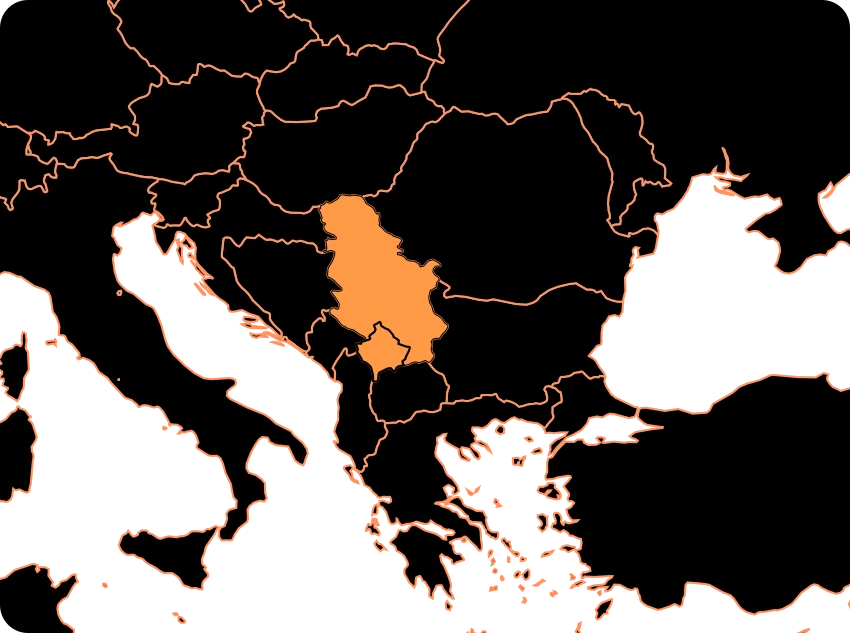
Serbia
Continent:
Europe
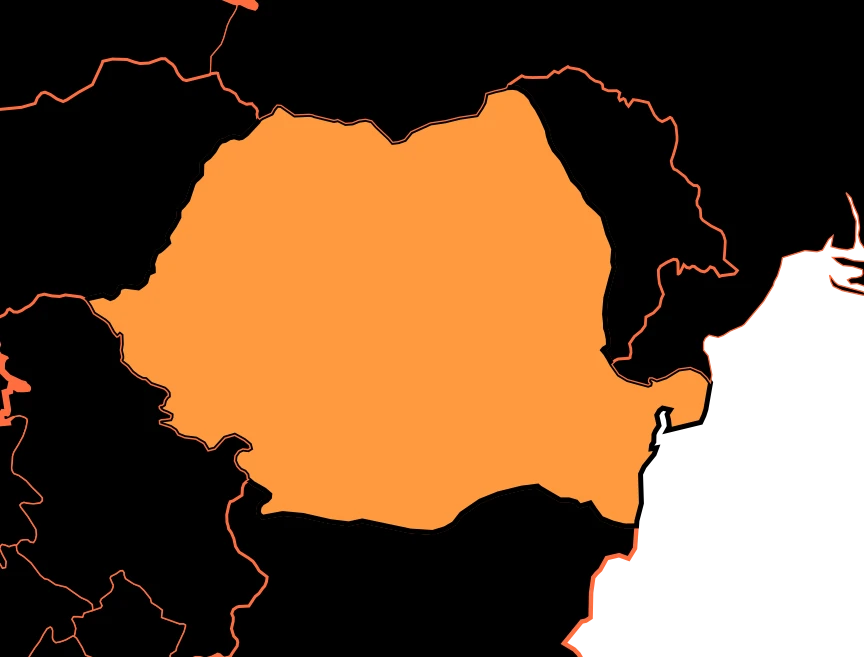
Romania

Continent:
Europe
We haven’t studied these countries yet: Croatia, Slovakia, Slovenia and Ukraine.
Come back in a few weeks and they might already be here.
Superhero stories
Interesting facts about Hungary


To take away
Would you like a hard copy?
One Hungary worksheet, ready to print. You print it, curiosity does the rest.