
Portuguese Empire
The Portuguese Empire: A Forgotten Giant in History
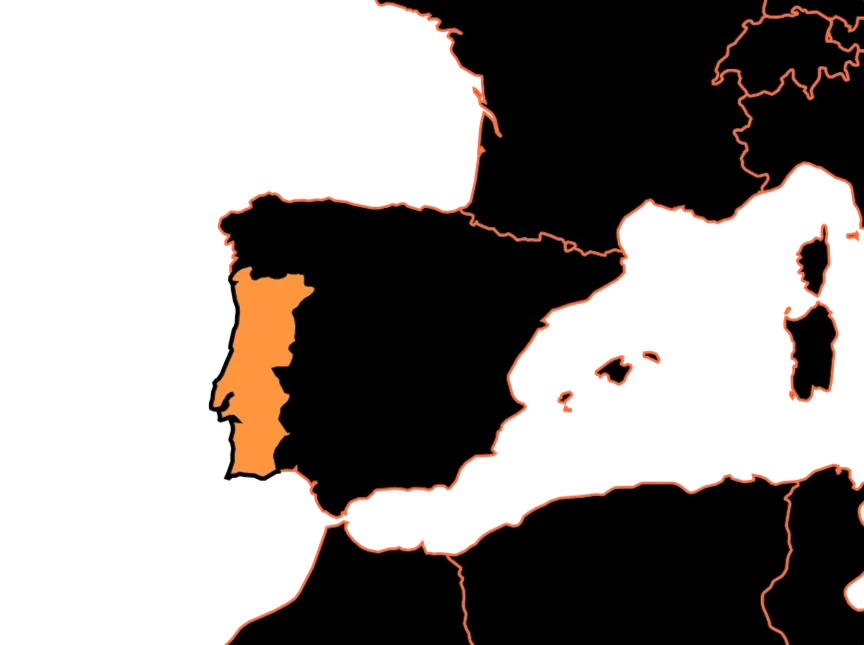
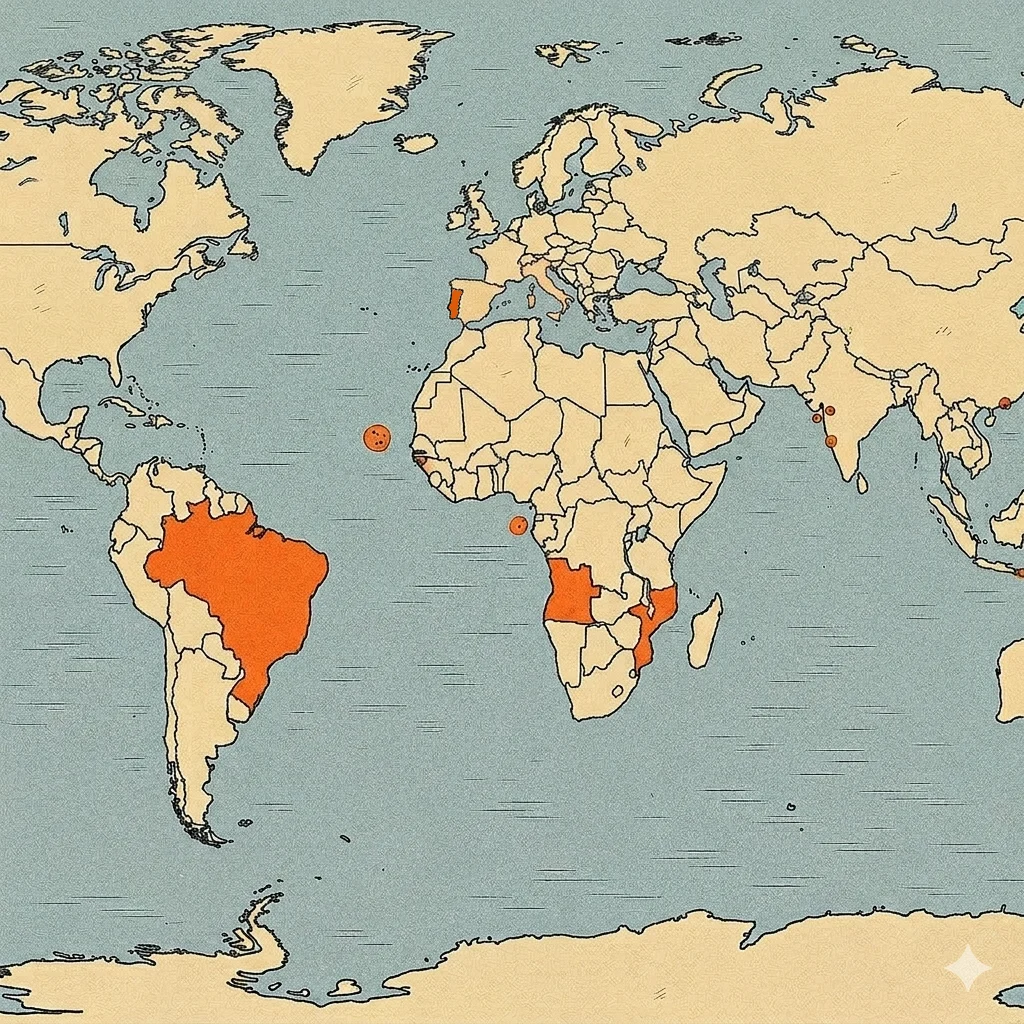
Imagine an empire so vast that it stretched across every continent, a colossus that, at its height, was the ninth largest in history in terms of area. That was the Portuguese Empire, a maritime and colonial power that, for centuries, left an indelible mark on the world map. Its geography was as diverse as it was fascinating. From the coasts of Brazil, the crown jewel and largest colony, to trade routes that crossed the Atlantic, Indian, and Pacific Oceans. Portugal claimed territories in Africa, including key enclaves such as Angola and Mozambique, which became pillars of its economy and strategy. In Asia, its presence was felt in Goa, Malacca, and Macau—strategic points for controlling spices and trade with the East. Even in the Pacific, the islands of East Timor fell under its rule. This network of possessions, interconnected by sea routes controlled by the powerful Portuguese navy, demonstrated an unprecedented global ambition for its time.
The Conquest of the Seas and Global Expansion
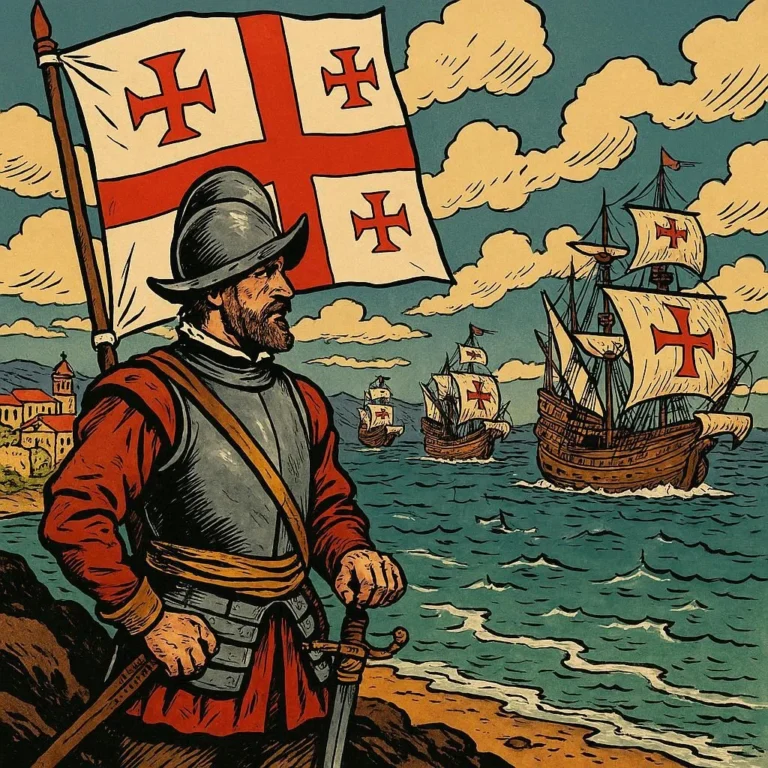
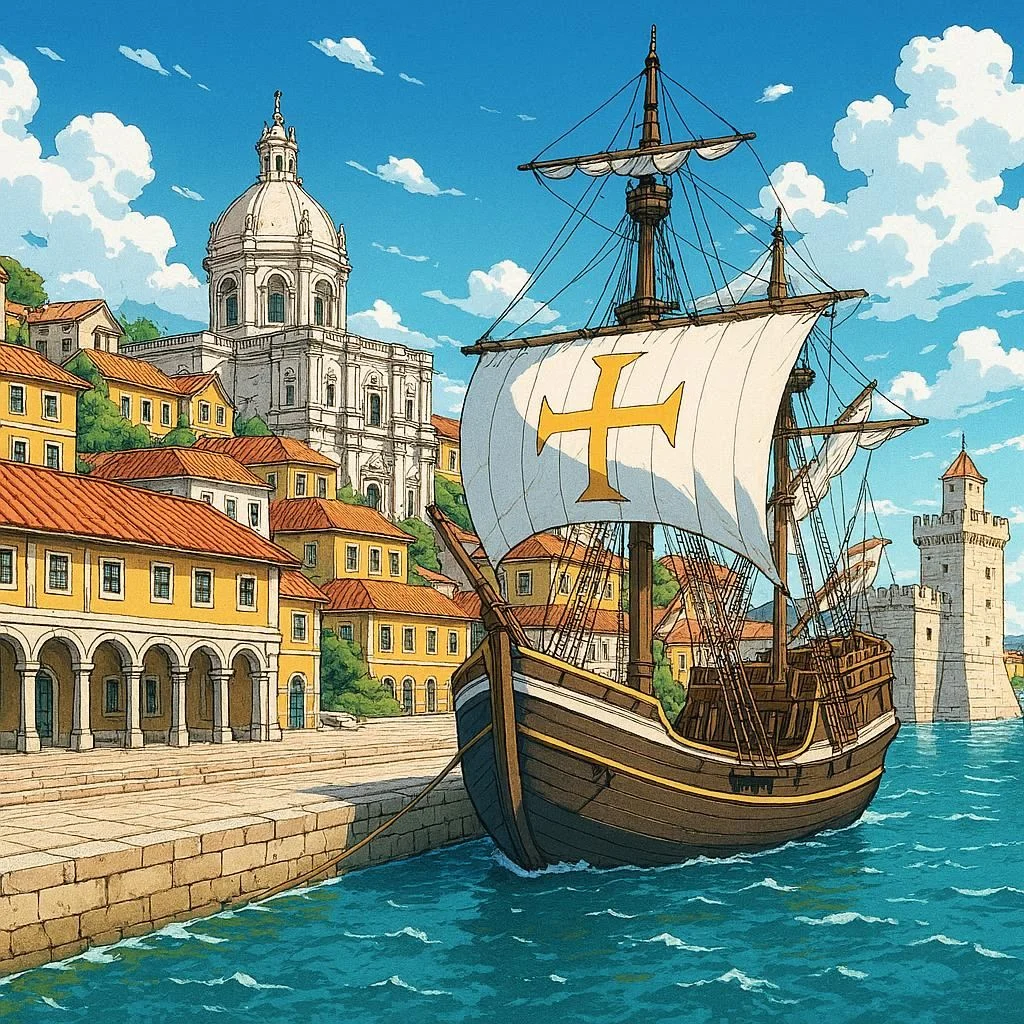
How did a country as small as Portugal manage to forge an empire of such magnitude? The answer lies in a combination of audacity, technological innovation, and a deep maritime vocation. From the 15th century onward, under the impetus of Prince Henry the Navigator, Portugal turned to exploration. Its sailors, equipped with agile caravels and precise astrolabes, dared to challenge the Atlantic Ocean, rounding the African coast in search of new routes to the coveted Indies. Milestones such as Bartolomeu Dias’s passage of the Cape of Good Hope in 1488 and Vasco da Gama’s epic voyage to India in 1498 marked turning points. These discoveries not only opened direct trade routes but also enabled Portugal to establish trading posts and strategic fortresses at key points, laying the foundations for territorial expansion. Conquest was not only military; it also involved an intricate diplomatic and commercial game with local kingdoms, exploiting rivalries and forging alliances to secure its dominance. Colonization was consolidated through the founding of cities, the imposition of its language and culture, and the exploitation of each territory’s natural resources—from gold and diamonds in Brazil to the spices of the East.
A Legacy of Influence and Unique Characteristics
The importance of the Portuguese Empire goes beyond its vast territorial reach. It was a pioneer in the Age of Discoveries, opening paths that other European powers would follow, thereby ushering in modern globalization. Its naval dominance not only facilitated transoceanic trade but also catalyzed an unprecedented cultural exchange. The Portuguese language spread around the world, becoming one of the most widely spoken languages on the planet today. The Catholic religion, carried by missionaries, took root in many of the colonies, leaving an architectural and cultural legacy visible to this day. A distinctive feature of the empire was its model of colonization, often more focused on trade and the establishment of strategic ports than on large-scale land occupation, although this varied by region. Miscegenation between Portuguese and local populations was also a constant in many of its possessions, creating hybrid and unique cultural identities. Despite its eventual decline, the Portuguese Empire bequeathed an invaluable heritage in terms of exploration, trade, language, religion, and culture—a testament to the audacity and vision of a small nation that dared to conquer the world.