

Sagrada Familia
The Sagrada Familia: An Architectural and Spiritual Marvel in the Heart of Barcelona
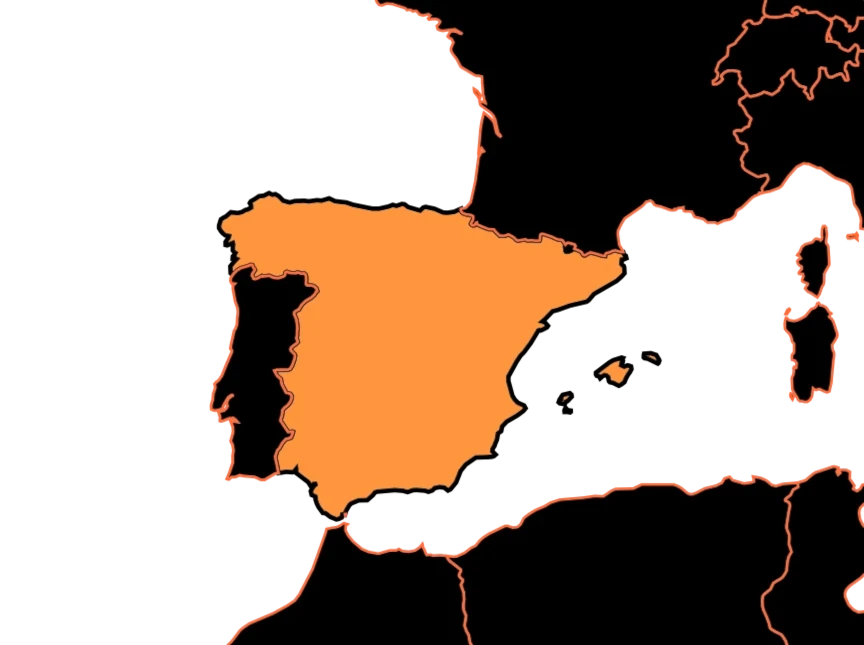
Located in the vibrant Eixample district of the cosmopolitan city of Barcelona, the Basilica of the Sagrada Familia rises majestically. Its imposing silhouette stands like a spiritual beacon and an unmistakable landmark, dominating the urban landscape with its towers that seem to caress the sky. Barcelona, the capital of Catalonia and a jewel of the Mediterranean, takes pride in housing this masterpiece that transcends the merely architectural to become a symbol of identity and aspiration.
The Sagrada Familia: A Long and Complicated Construction Process
The history of the Sagrada Familia is an epic tale of vision, perseverance, and artistic genius that spans more than a century. Its original conception dates back to 1882, when the first stone was laid in a project that initially did not involve the celebrated architect Antoni Gaudí. It was in 1883 that Gaudí took over the work, radically transforming it with his unique style, deeply rooted in nature and the Christian faith. Over the remaining 43 years of his life, Gaudí devoted his energy and talent almost entirely to this monumental project, conceiving it as “the Bible in stone,” a visual compendium of the doctrine and history of Christianity. After his death in 1926, in a tragic accident, the work was continued by his followers, who have faced countless challenges, including the destruction of part of its models and plans during the Spanish Civil War. Despite these setbacks, construction has continued, driven by donations and its own resources, keeping Gaudí’s original vision alive and adapting to modern construction techniques. The Sagrada Familia is not just a building; it is a living legacy, a work in constant evolution that tells the story of faith, art, and human resilience.
The Sagrada Familia: A Wonder of Humanity
The Sagrada Familia stands as a wonder of humanity because of a confluence of factors that make it exceptional. First, its architectural design is radically innovative and bold. Antoni Gaudí broke with established canons, drawing inspiration from the organic forms of nature to create a structure that seems to grow from the earth. The interior columns resemble lush trees branching out to support the vaults, creating an open and luminous interior space that evokes a sacred forest. The facades, each dedicated to different aspects of the life of Jesus Christ – the Nativity, the Passion, and the Glory – are true sculptural encyclopedias, full of symbolism and detail, narrating biblical stories in a vivid and moving way. Every element, from the smallest gargoyle to the imposing towers, is imbued with deep meaning, inviting reflection and contemplation.
Beyond its revolutionary aesthetics, the Sagrada Familia is a wonder because of its scale and engineering complexity. Despite having been conceived in an era with limited technology, Gaudí approached its construction with a forward-thinking vision, using scale models and counterweight systems to solve structural challenges that still amaze engineers today. The completion of its 18 towers, each representing the apostles, the evangelists, the Virgin Mary, and Jesus Christ, promises to be the culmination of this ambitious project, making it the tallest church in the world.
The dedication and effort of generations of architects, craftsmen, and workers, who have worked tirelessly to bring Gaudí’s vision to life, are a testament to the human spirit and to the ability to undertake and complete works of such magnitude and significance.
Finally, the Sagrada Familia is a wonder because of its profound spiritual and cultural connection. It is an active place of worship, a pilgrimage site for believers from around the world, but also an essential cultural destination for millions of visitors who come to admire its beauty and understand its message. Its impact transcends religious boundaries, attracting people of all beliefs and backgrounds for its universal artistic value. The basilica has become an emblem of Barcelona and Spain, a symbol of the creativity and audacity that characterize Catalan culture. Its uninterrupted construction, despite historical and economic vicissitudes, symbolizes hope, faith in the future, and perseverance in the face of adversity. The Sagrada Familia is not just a structure of stone and glass; it is a lasting testament to faith, art, and the human ability to create beauty and meaning that resonate through time, inspiring awe and admiration in those fortunate enough to behold it. Its designation as a UNESCO World Heritage Site, along with other works by Gaudí, underscores its outstanding universal value and its indisputable place among humanity’s greatest creations.