


Roman Empire
The Roman Empire: the First Great European Empire
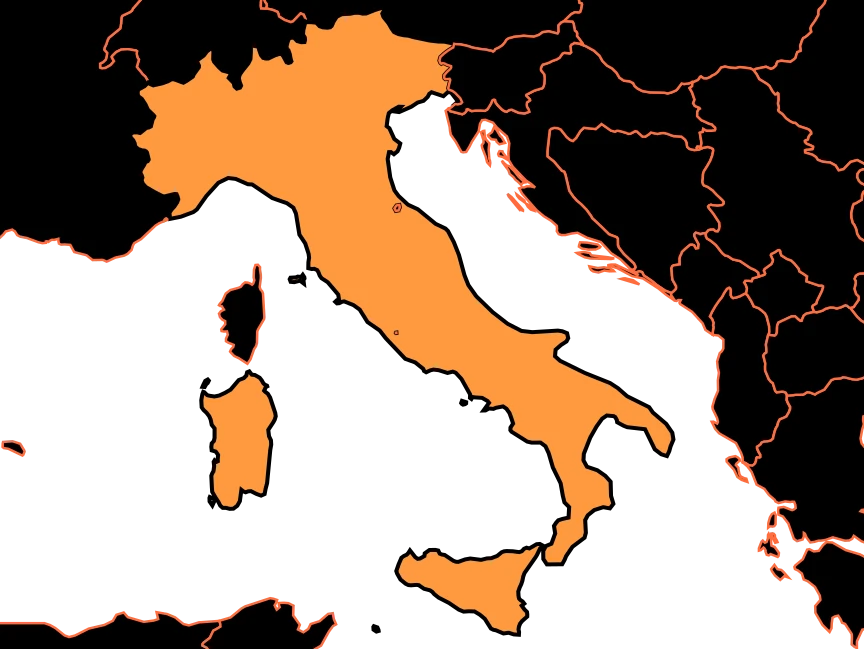
The Roman Empire, one of the colossi of ancient history, stands as the twelfth largest empire ever known. Its vast territorial reach, which at its height encompassed nearly a third of the known world, is a testament to its military might, political cunning, and unwavering ambition. Geographically, Rome extended its dominions across an impressive expanse, covering much of Europe, from the misty shores of Britain to the deserts of Mesopotamia, passing through the fertile plains of Gaul, the Iberian Peninsula, Italy, the Balkans, and North Africa, dominating the coasts of the Mediterranean Sea, which became for them a true “Our Sea,” an inland sea that facilitated trade, communication, and control of their vast territories. This geographic extent not only gave Rome an unparalleled diversity of natural and cultural resources, but also presented considerable logistical and administrative challenges, which it managed to overcome with unprecedented engineering and organization.
How the Roman Empire Expanded
The achievement of this monumental territorial reach was not a random event, but the result of a long and complex historical process marked by a series of military and political milestones. From its humble beginnings as a small city-state in the Italian Peninsula, Rome began an inexorable path of expansion. The Punic Wars against Carthage, a conflict that defined the fate of the western Mediterranean, laid the foundations of its maritime and territorial dominance. Later, the conquest campaigns in Gaul, led by figures such as Julius Caesar, dramatically expanded its borders to the north. Consolidation of power was achieved through the absorption of Hellenistic kingdoms in the east, the pacification of rebellious provinces, and the progressive integration of conquered territories into its administrative structure. The Roman ability to assimilate and adapt the military and political structures of subjugated peoples, combined with a formidable capacity for mobilization and defense, enabled them to maintain and expand their empire over the centuries, turning enemies into allies and provinces into integrated, loyal provinces.
The Legacy of the Roman Empire
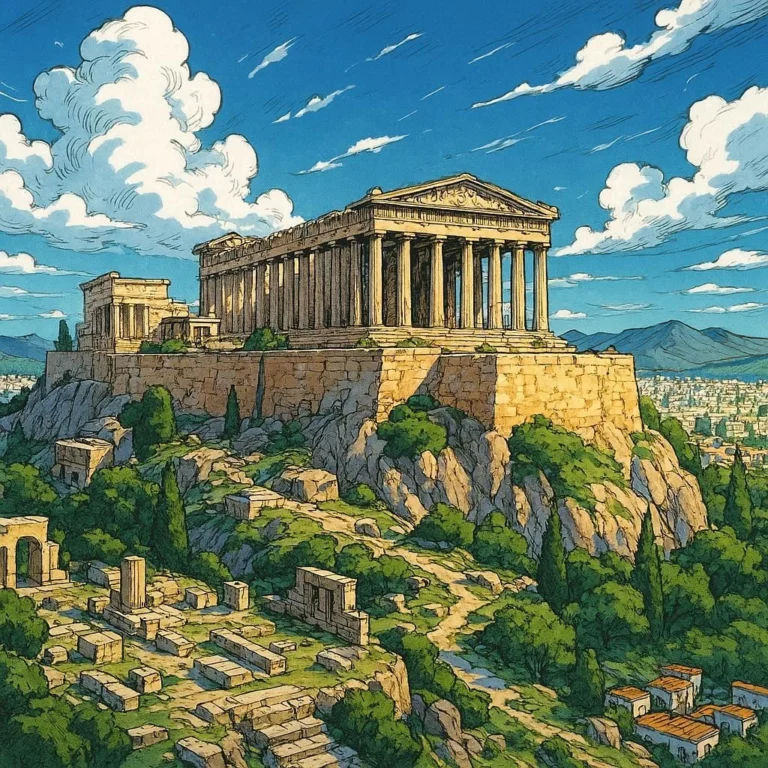
The importance of the Roman Empire goes beyond its mere geographic extent and military power. Its legacy endures in the shaping of the Western world and beyond, deeply influencing politics, law, language, architecture, engineering, philosophy, and religion. Roman institutions, such as the Senate, Roman law, and provincial administration, laid the foundations for many modern governmental systems. Latin, the official language of the empire, evolved into the Romance languages (Spanish, French, Italian, Portuguese, Romanian), while also leaving an indelible mark on the vocabulary of many other languages, including English. Roman architecture, with its impressive aqueducts, coliseums, temples, and roads, continues to amaze the world with its strength, functionality, and beauty. The defining features of the Roman Empire, such as its road system, its professional and disciplined army, its codified legal system, and its capacity for Romanization—the cultural assimilation of conquered peoples—were key to its lasting success. The Pax Romana, a period of relative peace and prosperity spanning two centuries, allowed trade, the arts, and the sciences to flourish, leaving a cultural and material heritage that continues to be studied and admired today, as a beacon of civilization and order in the vast sea of history.