
Spanish Empire
The Spanish Empire: The Fifth Largest Empire in History
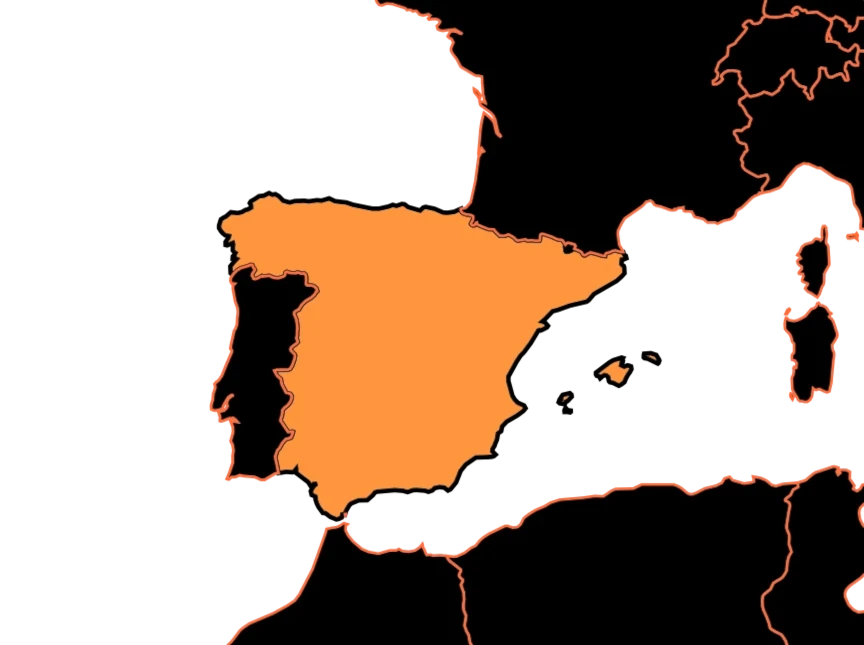
The Spanish Empire stood as one of the largest and most powerful political entities humanity has known. Its territorial extent, which at its height came to encompass nearly a third of the Earth’s surface, places it unquestionably among the greatest empires in history. This colossus spread across the five continents, leaving an indelible mark on geography, culture, and global politics. From the frozen lands of North America to the coasts of Asia, passing through the heart of Europe and the vast expanses of South America and Africa, the sun never set on its domains. The Americas, in particular, became the epicenter of its power, with territories that included all of Spanish America, from the present-day territory of the United States to Patagonia, as well as significant possessions in the Caribbean and the Philippines in Asia. Its geography was as diverse as its people, ranging from impenetrable jungles and arid deserts to towering mountain ranges and fertile plains. This geographical immensity not only posed an unprecedented logistical challenge, but also resulted in a wealth of natural resources and a cultural diversity that still amazes the world today.
Conquest and Territorial Expansion
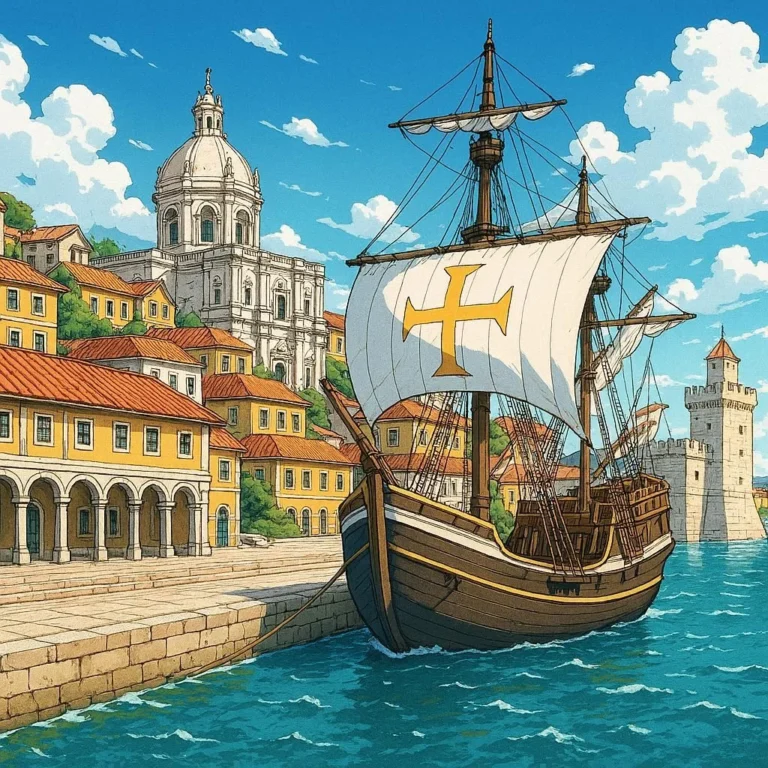
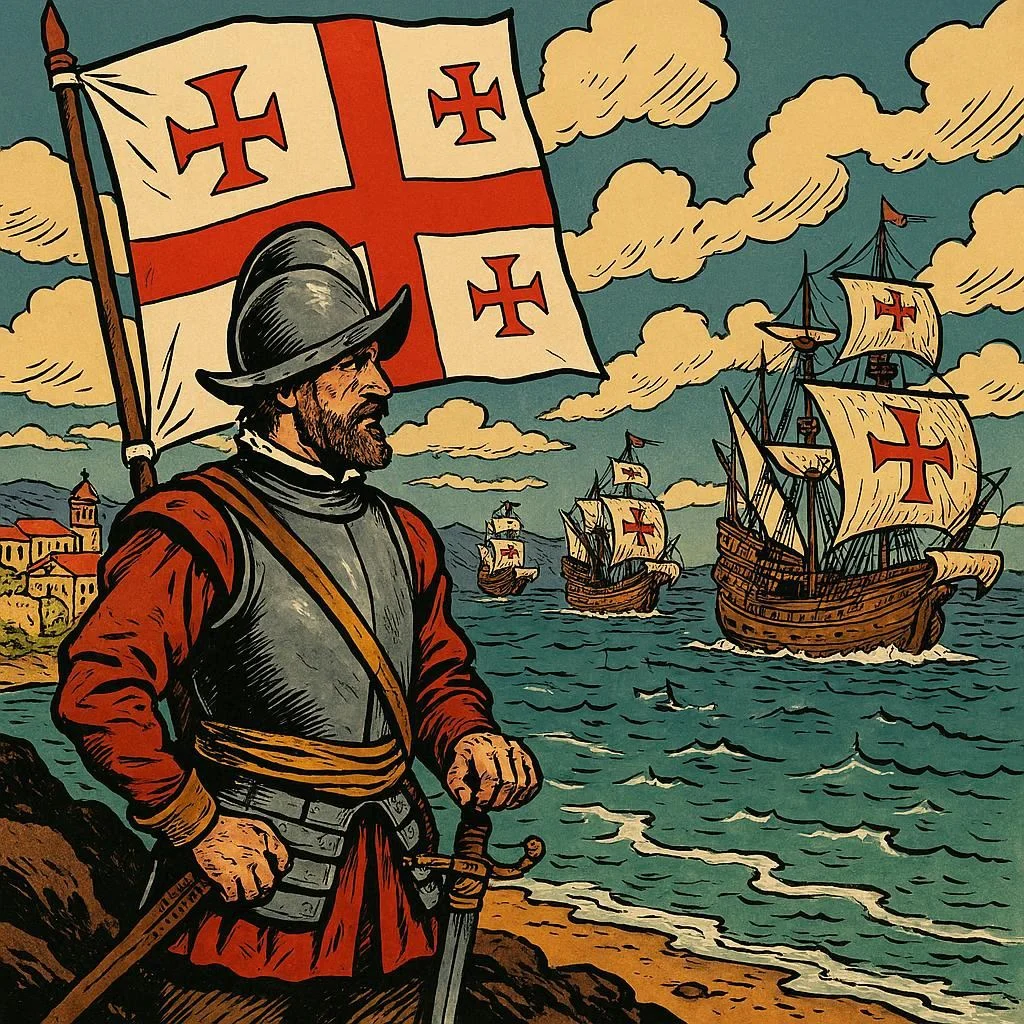
The forging of this vast empire was not a chance event, but the result of a complex and often brutal historical process driven by myriad factors. The Reconquest on the Iberian Peninsula laid the groundwork for expansion, forging a militaristic mindset and experience in conquest warfare that would later be carried into the New World. The discovery of America in 1492 by Christopher Columbus marked a crucial turning point. Driven by the search for alternative trade routes to Asia, the thirst for riches (gold and silver), the desire to expand the Christian faith, and the pursuit of glory and power, Spanish conquistadors and explorers set out to subjugate and colonize new territories. Military superiority, although not always overwhelming in numerical terms, was a determining factor. Firearms, steel armor, horses, and European warfare tactics gave them a significant advantage over indigenous civilizations, many of which were engulfed in internal conflicts. The fall of great empires such as the Aztec and Inca facilitated the rapid expansion and consolidation of Spanish rule across vast regions of the American continent. The ability to establish networks of colonial administration, appointing viceroys, governors, and creating audiencias, made it possible to govern such vast and disparate territories efficiently. Military expeditions and geographic explorations continued for centuries, mapping and claiming lands, securing Spanish supremacy in a constantly changing world.
Importance and Characteristics of the Spanish Empire
The importance of the Spanish Empire goes beyond its mere geographic extent. It was a fundamental engine in shaping the modern world, initiating the first globalization and laying the foundations for the interconnection of continents and cultures. The main characteristic of the Spanish Empire was the **unification under a single crown and a single faith**. Despite the diversity of its possessions, there was a common legal, administrative, and religious framework, with Catholicism as a fundamental pillar. The **spread of the Spanish language** is, without a doubt, one of its most enduring legacies, becoming one of the most widely spoken languages in the world. The **cultural influence** was bidirectional; while Spain imposed its language, religion, and customs, it was also enriched by the cultures and products of the Americas, such as corn, potatoes, and tomatoes, which revolutionized the European diet.
Another crucial aspect was **colonial administration**, which, although often criticized for its harshness, established government structures, judicial systems, and trade networks that laid the foundations for many present-day nations. The **exploitation of natural resources**, especially precious metals, financed the Spanish state and European wars for centuries, but it also generated deep imbalances and economic dependence in the colonies. Finally, the **diversity of its composition** is notable. It was not only an empire of Europeans conquering others, but one that integrated Indigenous and African populations to varying degrees, giving rise to complex mestizo and multiracial societies. The legacy of the Spanish Empire is therefore a complex tapestry of strengths and weaknesses, of progress and oppression, whose influence continues to resonate in the shaping of the modern world.