
Prague Castle
Prague Castle: the largest ancient castle in the world
It looks like a fortress, but inside there is a cathedral, palaces, streets, and buildings that tell more than a thousand years of history.
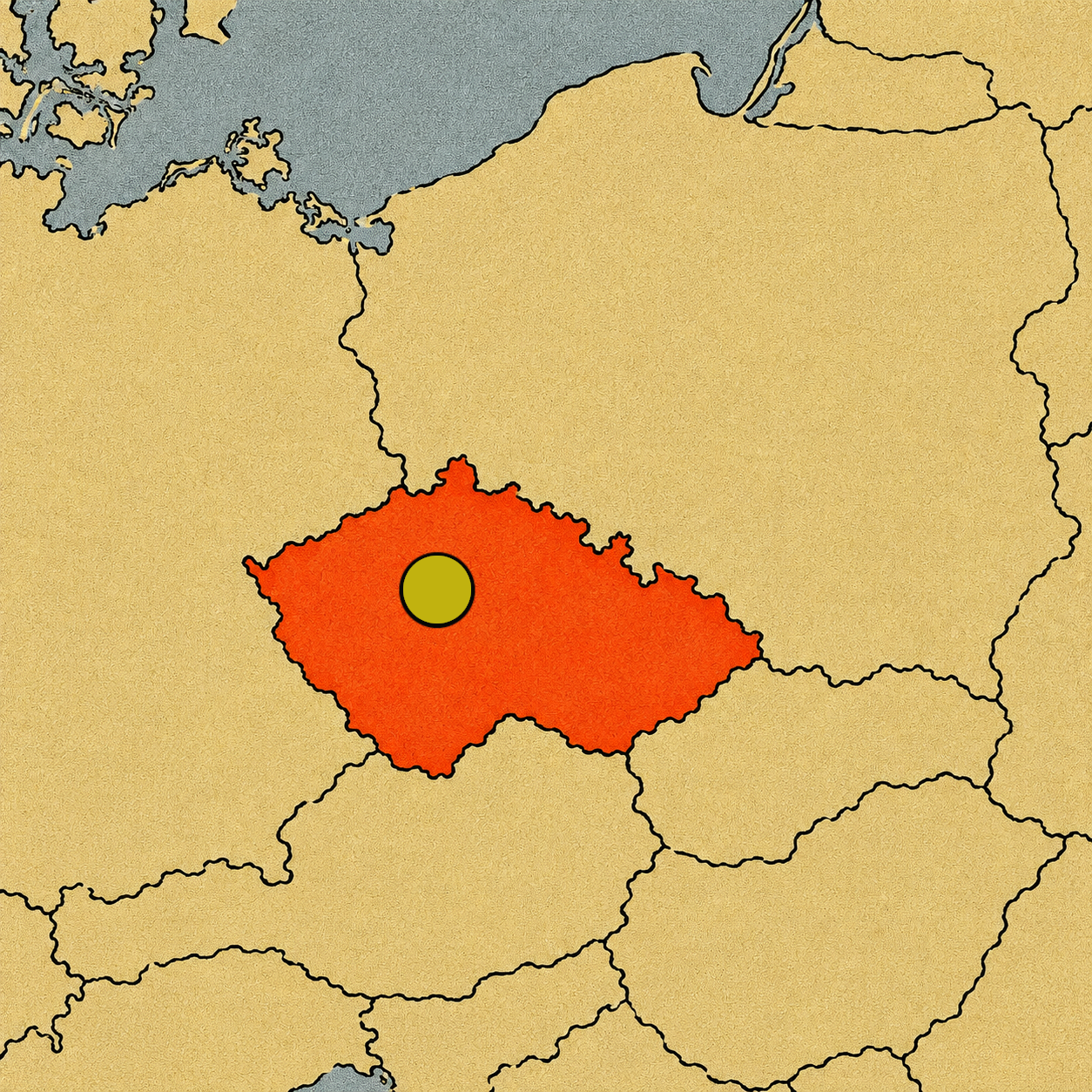
Imagine a castle so large that within its walls you can find a cathedral, ancient palaces, courtyards, gardens, and even a small street of houses. You are not touring an enormous fortress in a movie. You are at Prague Castle, in the Czech Republic.
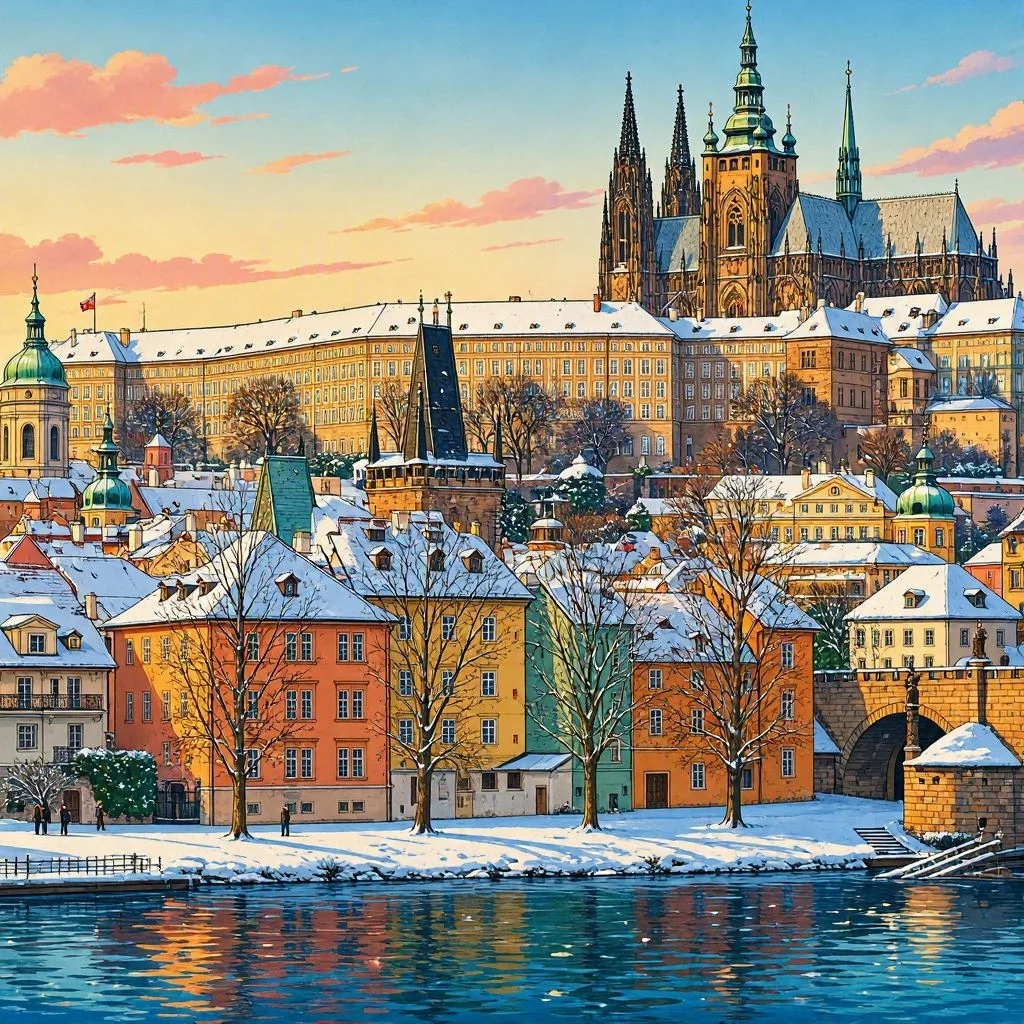
Located on a hill beside the Vltava River, it dominates much of the city. For centuries it was the residence of kings, emperors, and rulers. Today it is one of the most famous places in Prague. And it holds an extraordinary title: Guinness World Records recognizes it as the largest ancient castle complex in the world.
A castle that began more than a thousand years ago
The history of Prague Castle began in the 9th century. At that time, the site was a fortification much smaller than the gigantic complex we see today. The first rulers of Bohemia chose this hill for a simple reason: from there they could control the territory and observe the landscape around the river.
Over the centuries, each new ruler added constructions. Churches, palaces, towers, and new walls appeared. The result grew little by little, like a city that never stopped being built. That is why Prague Castle does not belong to a single era: it is a kind of time machine made of stone.
Kings, emperors, and presidents
For centuries, the castle was linked to the power of Bohemia and, later, to that of other major European political structures. The kings of Bohemia lived here.
Emperors of the Holy Roman Empire did so as well. One of the most important figures associated with the site was Charles IV, who turned Prague into one of the great cities of medieval Europe.
Much later, the castle continued to be a center of political power. Today it houses the offices of the president of the Czech Republic. It is surprising to think that the same place has been associated with rulers from completely different eras for more than a thousand years.
A cathedral inside the castle
One of the most impressive buildings in the complex is St. Vitus Cathedral. Its Gothic towers dominate the castle’s skyline and can be seen from many points in Prague.
Its construction began in 1344, during the reign of Charles IV, but it was not completed until 1929. That means that almost six centuries passed between the beginning and the end of the work. During that time, the architects, the styles, and the generations changed. The cathedral is, therefore, much more than a church. Its stones show how European architecture was transformed over time.
A city within another city
Here comes the big surprise of Prague Castle. When we think of a castle, we normally imagine a building surrounded by walls. But this one is different. The complex occupies some 70,000 square meters and brings together numerous buildings and spaces. There are old palaces, churches, courtyards, gardens, and streets. Some buildings are attached to one another, while others appear behind large courtyards. Walking through the grounds can feel like strolling through a small historic city. And that explains why it is so difficult to sum it up by simply calling it “a castle.” In reality, it is an entire urban complex built around a fortress.
The Street of the Small Houses
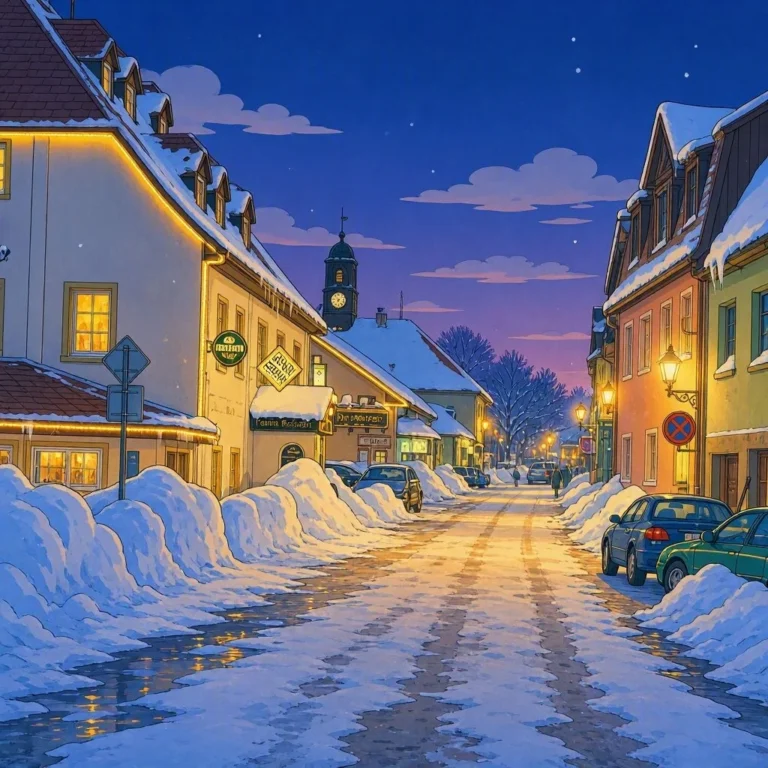
One of the most curious corners is the Golden Lane. At first glance, it seems strange to find such a small street within such a monumental complex. Its tiny houses are built next to the old wall.
Tradition says that artisans and other workers lived there, although later stories also linked the place to alchemists. Over time, the small dwellings acquired an almost fairy-tale appearance. One of them was associated with Franz Kafka, who lived there for a period in the early 20th century. Thus, within a huge medieval complex, we also find an intimate and tiny corner.
The Traces of Many Eras
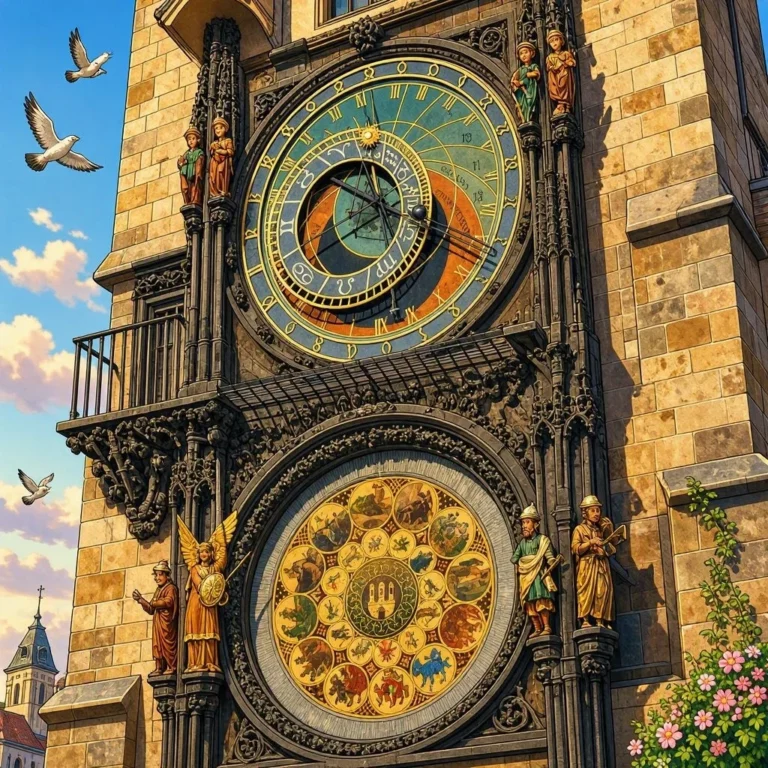
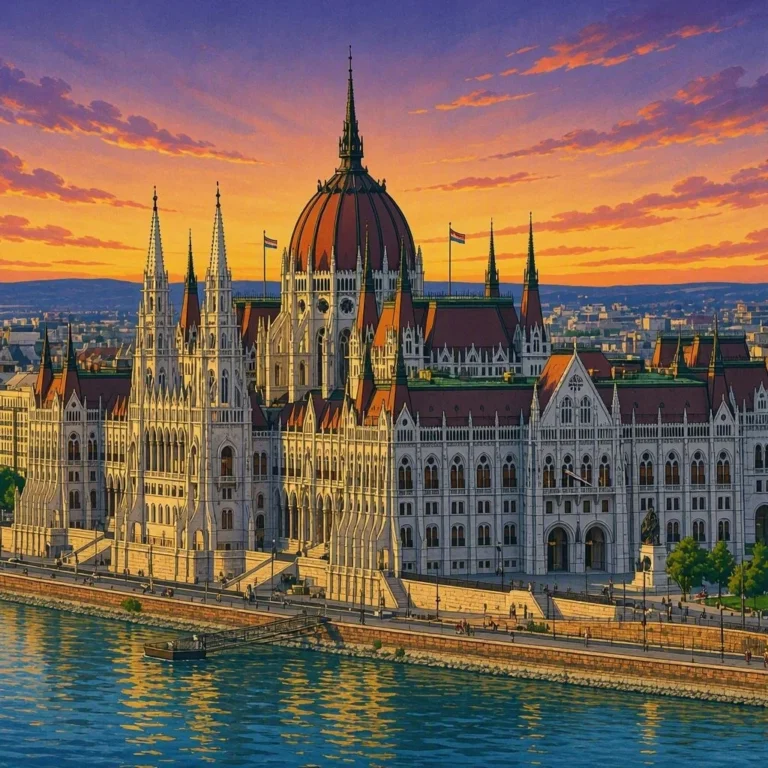
One of the reasons Prague Castle is so special is that it does not have a single architectural style. You can find Romanesque, Gothic, Renaissance, and Baroque elements. Each era left its own mark. A tower may belong to a medieval period, while a nearby palace was transformed centuries later. Even old buildings were expanded or rebuilt to adapt to new needs.
It is as if different generations had worked on the same drawing. The result is not perfectly uniform. And that is precisely where part of its charm lies: the castle allows you to see European history superimposed in one place.
A Fortress That Was Also a Palace
The castle had a defensive function, but its inhabitants needed much more than walls. The rulers needed places to live, receive visitors, organize ceremonies, and make decisions. That is why the complex gradually incorporated large halls and palaces. Some areas were designed to impress ambassadors and visitors. Others served the daily life of the court
Architecture could become a way to demonstrate power. The more important the ruler, the more spectacular the space around him could be. At Prague Castle, that idea can be seen in many of its courtyards and buildings.
A Perfect Position over Prague
The place where it was built was not chosen by chance either. The castle stands on a hill on the left bank of the Vltava. From there, a large part of Prague can be seen.
During the Middle Ages, that position had an obvious advantage for a fortress: it allowed the surroundings to be monitored. But it also had another use. The castle visually dominated the city and showed from afar where the center of power was.
Today something similar happens, though for a completely different reason. Visitors arrive at the hill and find one of the best panoramic views in Prague, with the river, the bridges and the city’s rooftops stretching out at their feet.
A history that was not always peaceful
Such an important place also lived through difficult times. The castle suffered fires, wars, changes of rulers and political transformations. Some parts were destroyed and rebuilt. Others changed their appearance completely. Each repair added a new layer to its history.
That explains why the current complex does not appear to belong to a single century. There are buildings that recall the Middle Ages and others that were modified much later. Even when a ruler disappeared, his successors continued to use and transform the place. The castle survived because it was able to change.
The castle that remains a center of power
Today, Prague Castle continues to serve a political function. It houses the official seat of the President of the Czech Republic. Some areas are used for ceremonies and official events. Others are open to visitors.
Why is it a world champion?
The title of largest ancient castle complex in the world is not due to having the tallest tower or the longest wall. It is due to the enormous extent and the number of historic buildings that make up the whole. Its approximately 70,000 square meters include churches, palaces, courtyards and other structures.
This is an important distinction. We are not simply talking about a gigantic castle, but about a historic complex that grew over more than a thousand years. Each generation added something new. The result ended up being much larger than the original fortress.
More than a castle
Visiting Prague Castle means traveling through an enormous part of European history. Medieval kings, emperors, architects, craftsmen, presidents and millions of visitors all cross paths here. St. Vitus Cathedral recalls the religious and political power of other eras. Golden Lane shows a much smaller, everyday side. The palaces tell the story of the people who ruled from this hill. And the walls remind us that the place was born as a fortress.
Prague Castle did not earn its title by building a single gigantic tower. It achieved it by growing over more than a thousand years, until it became a city of castles, palaces and stories within the city itself.