



Dead Sea
The Dead Sea: A Giant of Salt and Legends
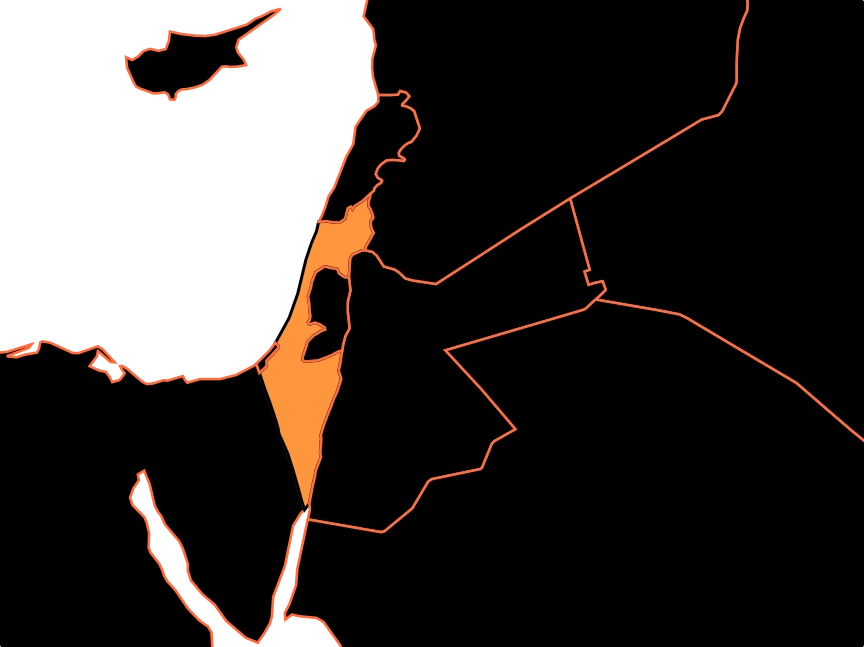
The Dead Sea, also known as the Sea of Salt or the Sea of Asphalt, is a hypersaline body of water located in the heart of the Jordan Valley, between Jordan to the east and Israel and the West Bank to the west. Geographically, its most defining characteristic is its extraordinary level of salinity, which ranges between 33% and 34%, making it one of the saltiest bodies of water in the world. This high concentration of mineral salts, especially magnesium chloride, calcium chloride, and sodium chloride, is what gives it its name, since aquatic life is practically nonexistent in its depths. The density of the water, which is more than twice that of the ocean, allows bathers to float effortlessly, a unique and fascinating experience. The level of the Dead Sea is approximately 430.5 meters below sea level, making it the lowest point on Earth’s surface. However, this level has been declining sharply in recent decades due to the reduced inflow of fresh water from the rivers that feed it, mainly the Jordan River, and to intense evaporation. The Dead Sea basin is a desert environment with high temperatures and low rainfall, which, while contributing to evaporation and the concentration of salts, also creates a peculiar microclimate. The mineral richness of its mud and waters has been recognized since ancient times for its therapeutic and cosmetic properties, attracting visitors from around the world in search of treatments for various skin conditions.
A Millennia-Old Historical Legacy
The history of the Dead Sea is deeply intertwined with that of the civilizations that have flourished in its surroundings over millennia. Its biblical name, “Salt Sea,” already reflects awareness of its uniqueness since ancient times. In antiquity, the surrounding region was a crucial crossroads for trade routes and migrations, and the fertile plains near the tributaries offered oases of life amid the arid landscape. It is believed that Sodom and Gomorrah, biblical cities associated with divine wrath, were located in this area. The fortress of Masada, an imposing fortified palace built by Herod the Great atop a rocky plateau overlooking the Dead Sea, is one of the most striking archaeological testimonies in the region. Masada became the last stronghold of Jewish rebels during the First Jewish-Roman War. After a prolonged siege, the defenders chose collective suicide rather than fall into Roman hands, an event that has echoed through history as a symbol of resistance and sacrifice. Near Qumran, on the northwestern shore of the sea, the famous Dead Sea Scrolls were discovered in caves in 1947. These ancient Hebrew, Aramaic, and Greek texts, which include the oldest known books of the Bible, have revolutionized the understanding of early Judaism and Christianity. The presence of these ruins, settlements, and archaeological finds attests to the strategic and spiritual importance that the Dead Sea and its surroundings have held for various cultures, religions, and empires, from the Edomites and the Canaanites to the Romans and the Crusaders.
An Extreme and Fascinating Environment
The fact that it is the lowest place on the Earth’s surface should already be enough to earn it the title of “extreme,” but the Dead Sea has other characteristics to add. The hypersalinity, which prevents aquatic life, creates a desolate yet spectacular landscape. The shores are covered with salt crystals, and the rock formations sculpted by salinity and erosion display whimsical shapes and a dazzling whiteness.
Extreme buoyancy is one of the most iconic experiences; being able to read a newspaper while floating effortlessly is a wonder that attracts tourists from all over the world. Exposure to the minerals in the Dead Sea’s black mud is considered a natural treatment for skin conditions such as psoriasis, eczema, and arthritis, making it a health and wellness destination. However, this environment also presents challenges. High exposure to UV rays, due to the lower altitude and the protective atmosphere, can be intense. Saline vapors and the concentration of minerals in the air are also factors to consider. The rapid decline in its water level is an urgent environmental concern, affecting both the sea’s ecology and the stability of the surrounding infrastructure. Efforts to manage water resources and preserve this natural and cultural treasure are essential. The Dead Sea, with its inhospitable beauty, deep historical roots, and healing properties, is not only a geographical wonder, but a place that evokes awe, respect, and a profound connection to the past and to nature’s resilience.