
Kuril Islands
The islands that Russia and Japan dispute
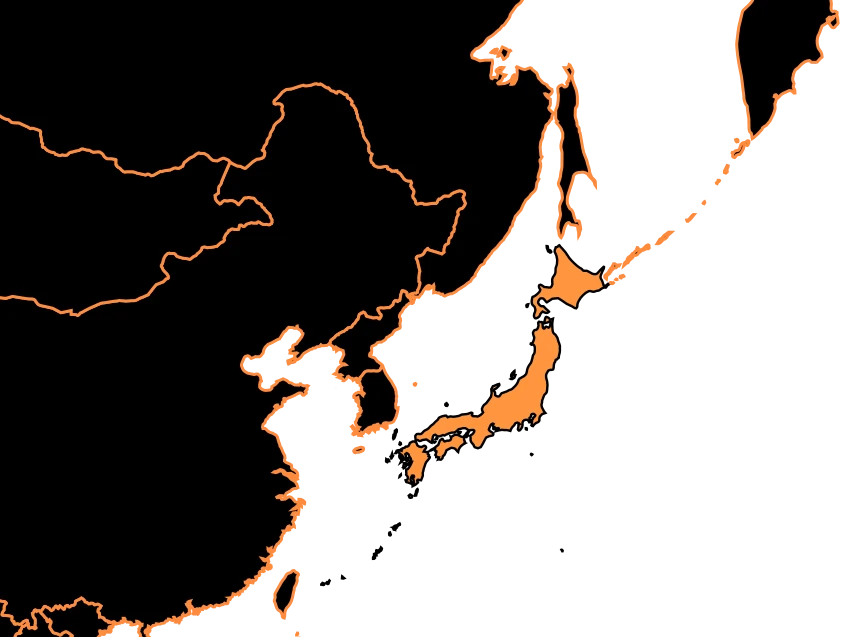
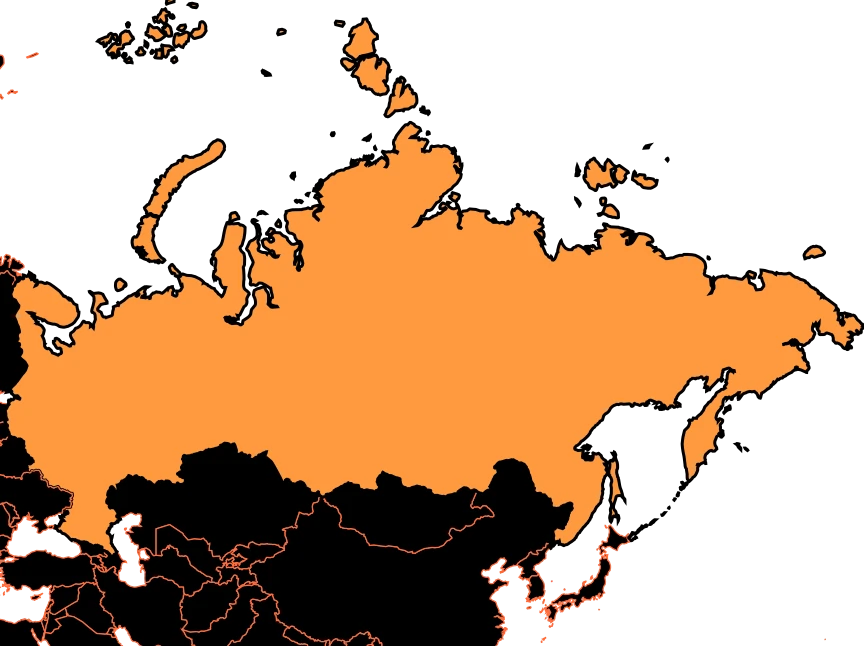
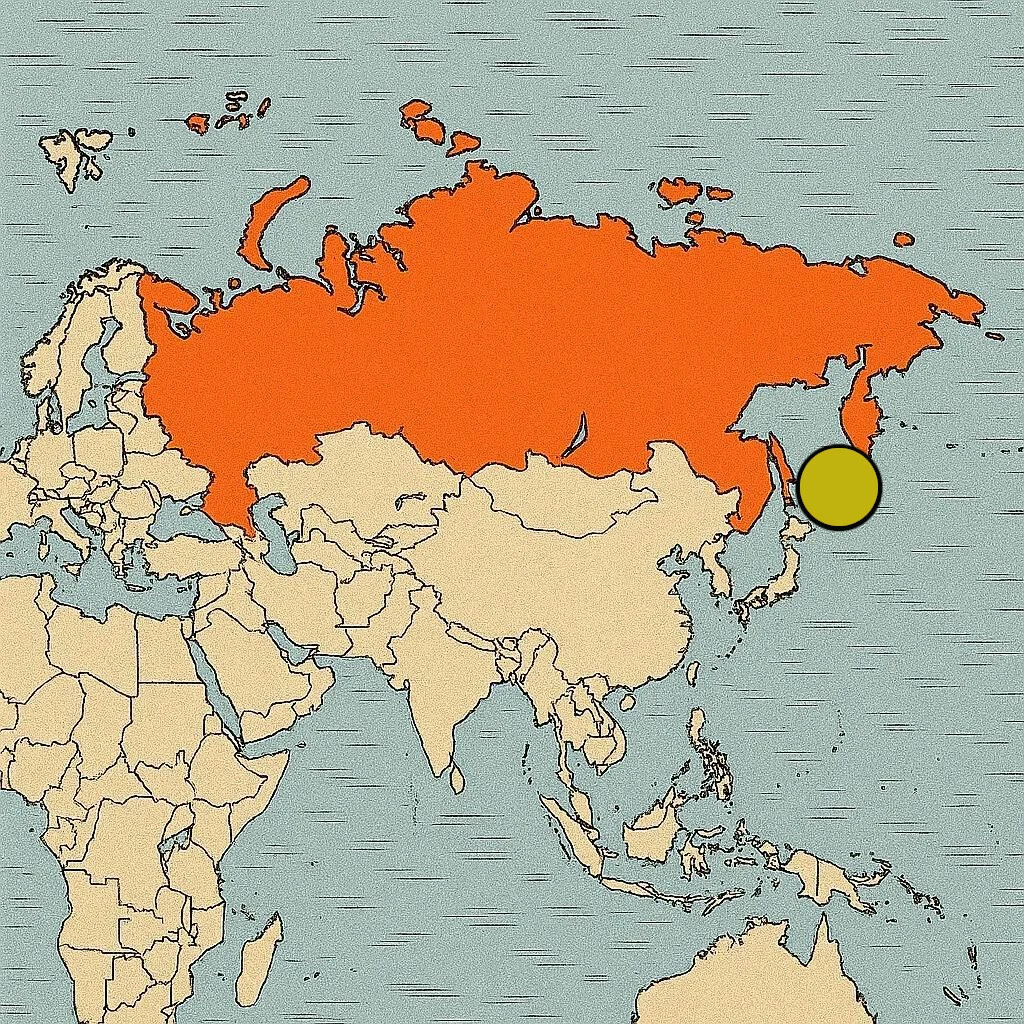
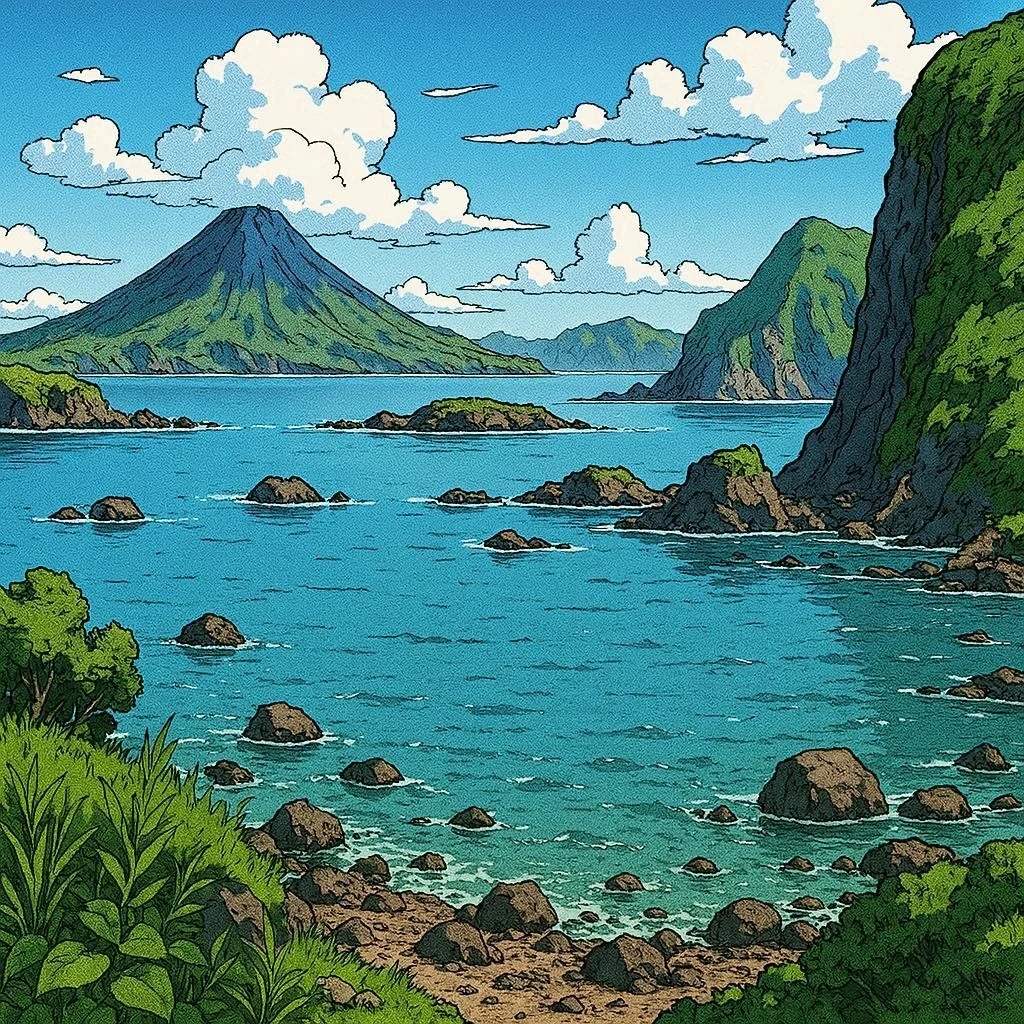
In the far north of Japan, there is a chain of volcanic islands that seems to disappear into the ocean. They are the Kuril Islands. They stretch between the Japanese island of Hokkaido and the Russian Kamchatka Peninsula, forming a long chain of volcanoes, mountains, and small territories surrounded by the sea.
But there is something that makes them especially interesting: Russia and Japan do not agree on who should control some of them.
A chain of islands in a strategic location
The Kurils are situated in a very special position. They connect the Pacific Ocean with the Sea of Okhotsk and form a kind of natural bridge between Japan and the easternmost part of Russia. Furthermore, their waters are rich in marine resources, and the area holds great importance for navigation and defense.
For Russia, controlling the Kurils allows it to maintain a significant military presence in the Pacific and to protect access to the Sea of Okhotsk. For Japan, the islands also have enormous strategic and historical value.
That is why islands that seem small on a map can have enormous importance.
When Japan and Russia reached the islands
For centuries, different peoples inhabited and used these islands. Japan and Russia gradually extended their influence northward and eastward. In the 19th century, both countries reached agreements to divide the Kurils.
For a time, the border between the two was established in a relatively clear manner. But history changed again during World War II.
1945: The islands change hands
In the final days of World War II, the Soviet Union declared war on Japan and launched an offensive in Northeast Asia. Soviet forces occupied the Kurils.
After the war, Japan lost control of the entire chain of islands, and the Soviet Union came to administer them. The Japanese population living there was expelled or relocated to Japan. Many families had to abandon their homes and start a new life far from the islands where they had lived.
The four southern islands
The current dispute focuses especially on four islands located at the southernmost end of the chain: Etorofu, Kunashiri, Shikotan, and the Habomai Islands. Japan calls them its Northern Territories.
Russia, for its part, administers them as part of its territory and maintains that Russian sovereignty over them was established after World War II.
That is why both countries hold different positions regarding their ownership.
Why does Japan claim them?
Japan maintains that these four islands are not part of the territories it renounced after the war and considers that they should be under Japanese sovereignty.
Russia maintains effective control and considers the islands to be part of its territory.
For decades, the two countries have tried to find a solution. But it has not been easy. The dispute has even influenced relations between Russia and Japan and has long hampered the signing of a definitive peace treaty between the two countries after World War II.
A problem that has lasted for decades
The interesting thing about the Kuriles is that the dispute cannot be understood by looking only at the current map. One must look back. There are treaties. There are wars. There are people who had to leave their homes. There are military and economic interests. And there are two countries that interpret differently what happened after World War II.
That is why a chain of small islands can become an international issue that remains open for generations.
The islands that changed flags
The Kuriles belong to the category of Disputed territories and show something important: borders are not always simple lines on a map. They can be the result of wars, treaties, migrations, and decisions made many decades ago.
Today, the Kuril Islands are administered by Russia. But Japan continues to claim the four southernmost islands. And while both countries maintain their positions, those volcanic islands remain in the same place, between Hokkaido and Kamchatka, reminding us that a small point on a map can hide an enormous story.