

The Amazon
The Amazon: A Natural Treasure and Cradle of Civilizations
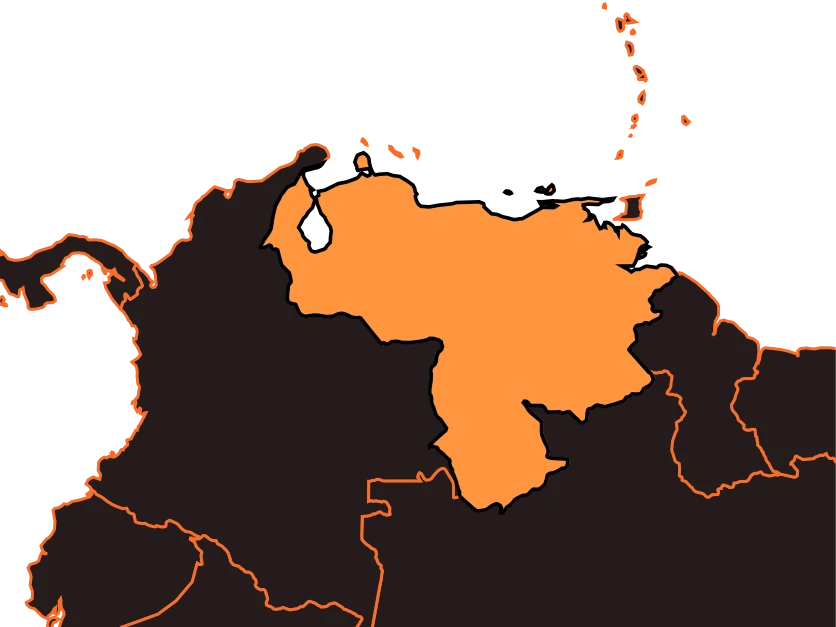
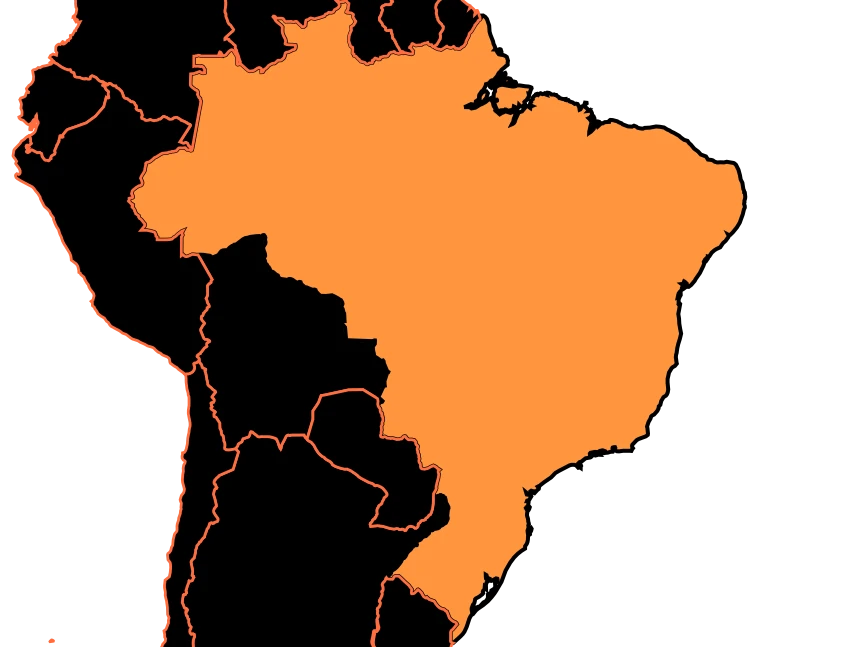
The Amazon, often described as the lungs of the planet, is a vast and lush region that covers a significant portion of South America. Geographically, its scale is astonishing, making it the largest tropical rainforest in the world. This immense territory extends across nine countries, each contributing its own uniqueness to the region’s richness: Brazil holds the largest portion, followed by Peru, Colombia, Venezuela, Ecuador, Bolivia, Guyana, Suriname, and French Guiana. The Amazon Basin, drained by the legendary Amazon River and its thousands of tributaries, is an ecosystem of incomparable biodiversity. Its dense forests, mighty rivers, extensive floodplains, and variety of habitats are home to a vast number of the planet’s plant and animal species, many of which are still waiting to be discovered by science. The Amazon is not only a landscape of breathtaking beauty; it is a vital system for global climate balance, influencing rainfall and temperature patterns on distant continents.
A Millennia-Old Historical Legacy
The history of the Amazon is as deep and complex as its geography. Long before the arrival of Europeans, the region was home to diverse and sophisticated civilizations. Contrary to the popular belief that these lands were wild and uninhabited, modern archaeology has revealed the existence of advanced societies that developed complex agricultural and urban networks and even writing systems. Remains of terraforming, such as geoglyphs or earth monuments, and the extensive lost cities suggest populations that managed the forest sustainably for millennia, modifying the landscape to optimize agriculture and habitability. These cultures, with their ancestral knowledge of flora, fauna, and natural cycles, interacted with their environment in a way we now admire for its wisdom and respect. The arrival of European conquistadors in the 16th century marked a tragic turning point, exposing Indigenous populations to devastating diseases and exploitation, which resulted in a drastic demographic decline and the loss of much of their cultural legacy. Despite adversity, Indigenous communities have kept their heritage alive, and their knowledge is essential to the conservation of the Amazon today.
An Extreme and Challenging Environment
The Amazon is an extreme place by nature, and its status as the largest forest on the planet intensifies this condition. The Amazonian climate is characterized by high temperatures and constant humidity, creating a stifling and dense environment. Torrential rains, common for much of the year, transform the landscape, flooding large areas and making navigation and travel a constant challenge. The dense vegetation creates an impenetrable canopy, resulting in a shortage of sunlight in the understory, a factor that shapes the life of the plants and animals that inhabit the lower levels. The interconnectedness of its vast ecosystem means that any change, whether natural or human-induced, has large-scale repercussions. The wild Amazon is an immense territory, difficult to access and fully understand, where nature reigns with a force seldom seen. Life in the Amazon, both for its human inhabitants and its wildlife, requires constant adaptation to an environment that can be both generous and unforgiving. Its monumental size not only translates into exceptional biodiversity, but also into unprecedented logistical and conservation challenges, making it a hub of intense and fascinating natural phenomena.