

The Amazon
The forest that works like an entire world
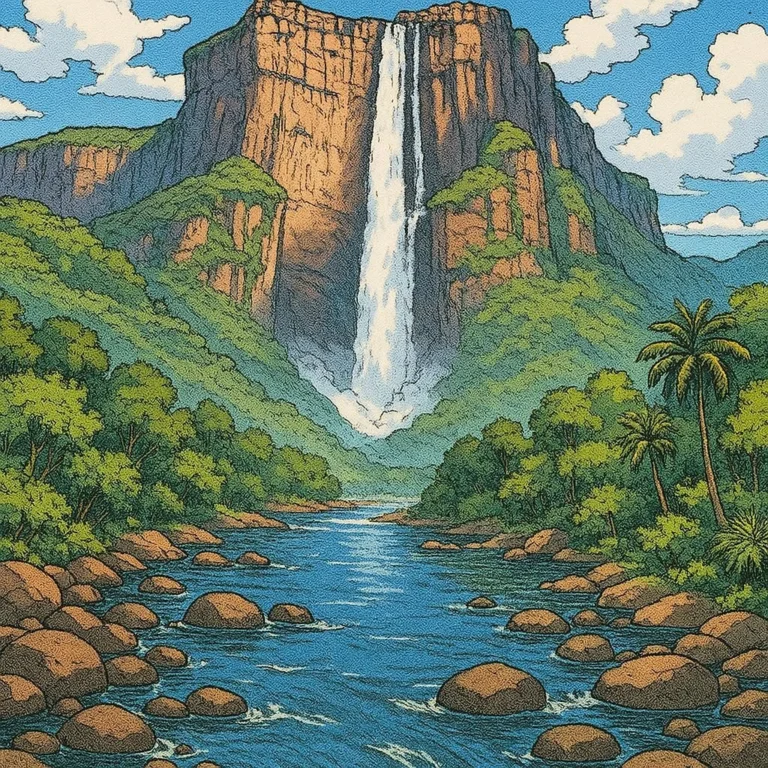
The Amazon is an immense forest. It stretches across a gigantic portion of South America, crossing several countries and forming the largest tropical rainforest on the planet.
From above, it looks like a green ocean. But beneath the treetops lies a completely different world: rivers, swamps, giant trees, animals, human communities, and millions of species.
The Amazon is not simply a forest. It is one of the great natural systems on Earth.
A gigantic forest
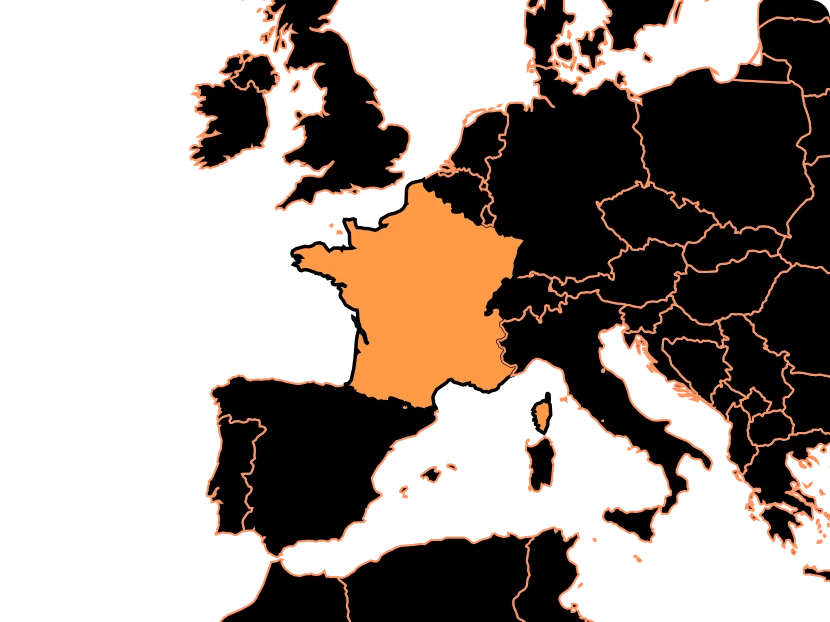
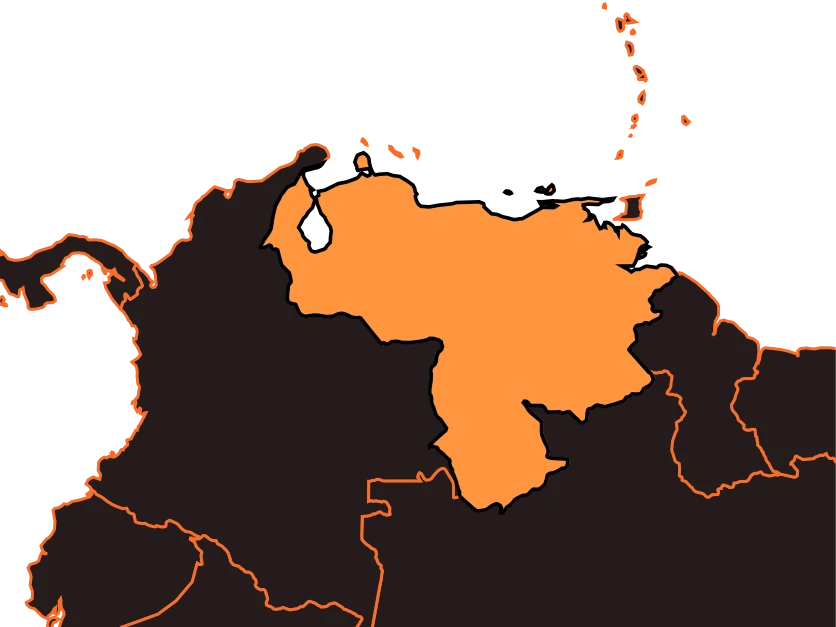
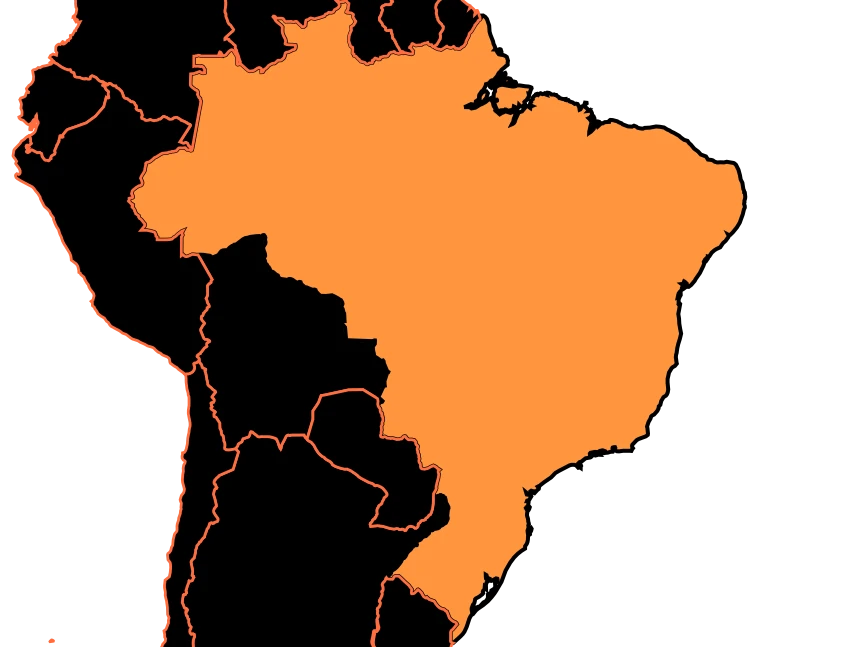
The Amazon covers around 6 million square kilometers of the Amazon River basin. Most of it lies in Brazil, but the rainforest also extends through Peru, Colombia, Bolivia, Venezuela, Ecuador, Guyana, Suriname, and French Guiana. To get an idea of its size, its surface area is more than half that of Europe.
And within that territory, there are thousands of rivers, enormous floodplains, and an extraordinary variety of landscapes.
The river that crosses the rainforest
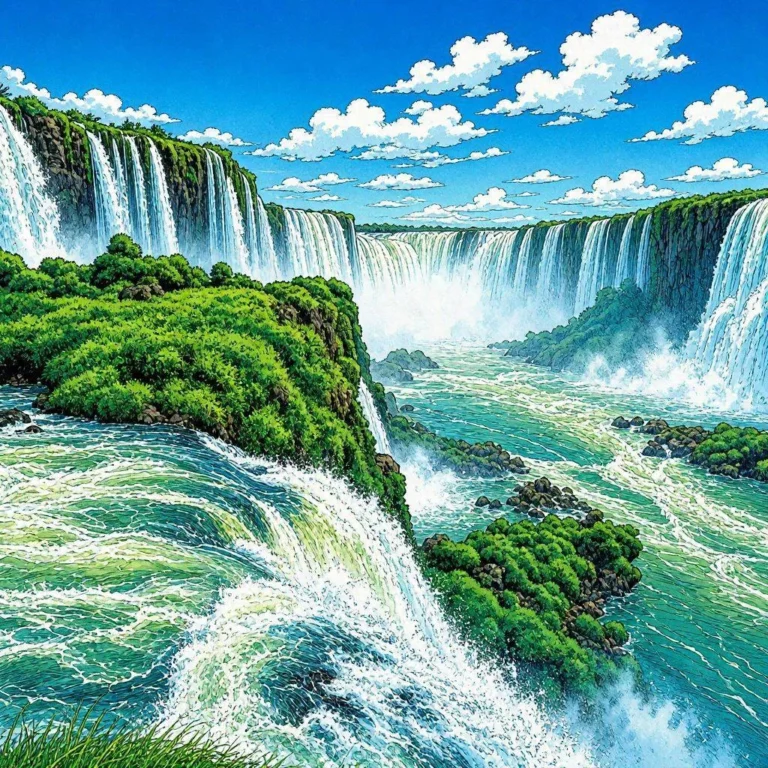
At the heart of this gigantic ecosystem lies the Amazon River. It is the second-longest river and the most voluminous on the planet, carrying an extraordinary amount of water toward the ocean.
Its tributaries penetrate deep into the rainforest. Some are so large they look like seas. During the rainy season, the water level can rise several meters and completely transform the landscape. There are forests that spend part of the year underwater. In the Amazon, even the forest has seasons in which it can become an aquatic world.
A planet full of species
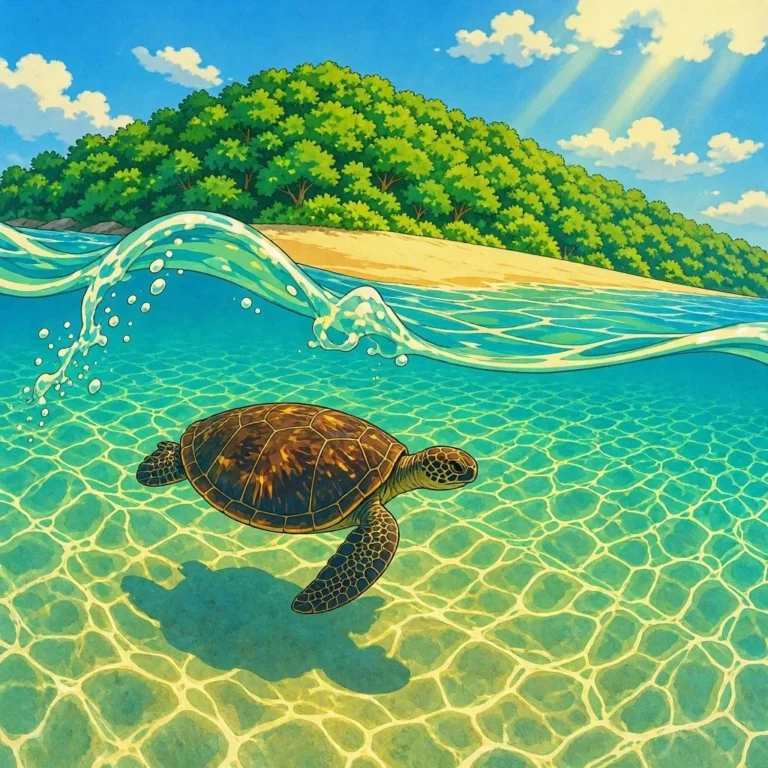
One of the Amazon’s greatest treasures is its biodiversity. Here live jaguars, anacondas, caimans, monkeys, sloths, tapirs, river dolphins, and thousands of species of birds, fish, insects, and amphibians.
And there are still many species yet to be discovered! Scientists continue to find new plants and animals in different areas of the rainforest. Each river, each tree, and each region may hide species adapted to very specific conditions.
It is one of those places on the planet, since it is not so easily accessible to humans, where there is still so much left to discover.
The forest that makes rain
The Amazon not only receives enormous amounts of rain. It also returns part of that water to the atmosphere and helps keep the water cycle in motion.
It all begins when rain falls on the forest. Part of the water reaches rivers and streams directly, but another part seeps into the soil and is absorbed by tree roots. The water then rises through the plants until it reaches the leaves. There, through transpiration, it returns to the atmosphere as water vapor. Added to this is the evaporation of water from rivers, lakes, and soils.
This creates a continuous cycle: rain → soil and rivers → trees → water vapor → clouds → rain. That is why the Amazon is not simply a forest that lives thanks to rainfall. The forest itself returns water to the atmosphere and helps maintain the rains that sustain a large part of its ecosystem.
Giant trees and tiny plants
In the forest, there can be trees that exceed several tens of meters in height. Their canopies form a kind of green roof that blocks much of the sunlight.
Below, the environment is darker and more humid. Plants, lichens, and mosses grow on the trunks. Insects, birds, monkeys, and other animals live in the branches. And on the ground, an entirely different world begins. A single hectare of forest can contain an enormous variety of life forms.
An inhabited forest
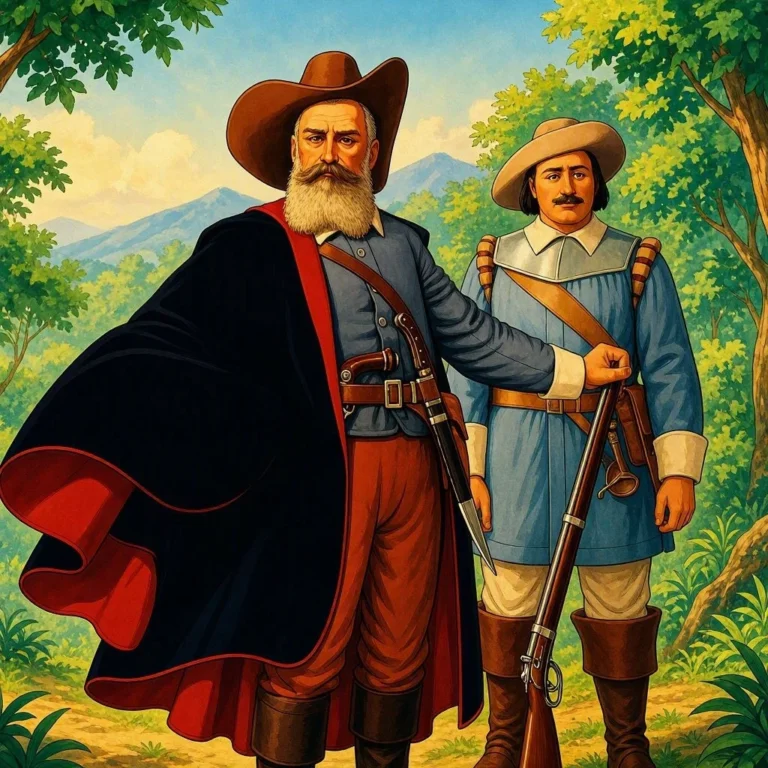
The Amazon is also not an empty place. For thousands of years, different Indigenous peoples have lived in the region, developing deep knowledge of its plants, animals, rivers, and natural cycles. Some communities depend directly on the forest and rivers for food and other resources.
Their relationship with the forest demonstrates something important: the Amazon is not only wilderness; it is also an inhabited territory and a fundamental part of the lives of millions of people.
A story that began millions of years ago
The Amazon as we know it today is the result of an extremely long geological and biological history. The landscape has changed many times. Rivers have altered their courses. Mountains and sediments have reshaped the terrain. Species have evolved and adapted to new environments. Over millions of years, evolution has been creating this enormous web of life.
When we walk through the forest today, we are witnessing the result of a history far older than any human civilization.
A treasure that is changing
But the Amazon is also under pressure. Deforestation, fires, agricultural expansion, mining, and other human activities have transformed large areas of the forest.
And when a forest disappears, it is not only the trees that vanish. Habitats, species, and entire ecosystems can also disappear. That is why scientists and organizations from different countries study how to conserve the Amazon and use its resources without destroying one of the most important natural systems on the planet.
A natural treasure
The Amazon belongs to the category of Natural treasure because it brings together a scale that is hard to imagine and extraordinary biodiversity.
It is a gigantic forest. A network of rivers. The home of thousands of species. A place inhabited by peoples for thousands of years. And a fundamental piece of South America’s natural functioning.
The Amazon demonstrates that nature does not always create a landscape to be admired from the outside. Sometimes it builds an entire world. And the Amazon is one of the largest, most complex, and most astonishing worlds that still exist on our planet.