
Hashima Island
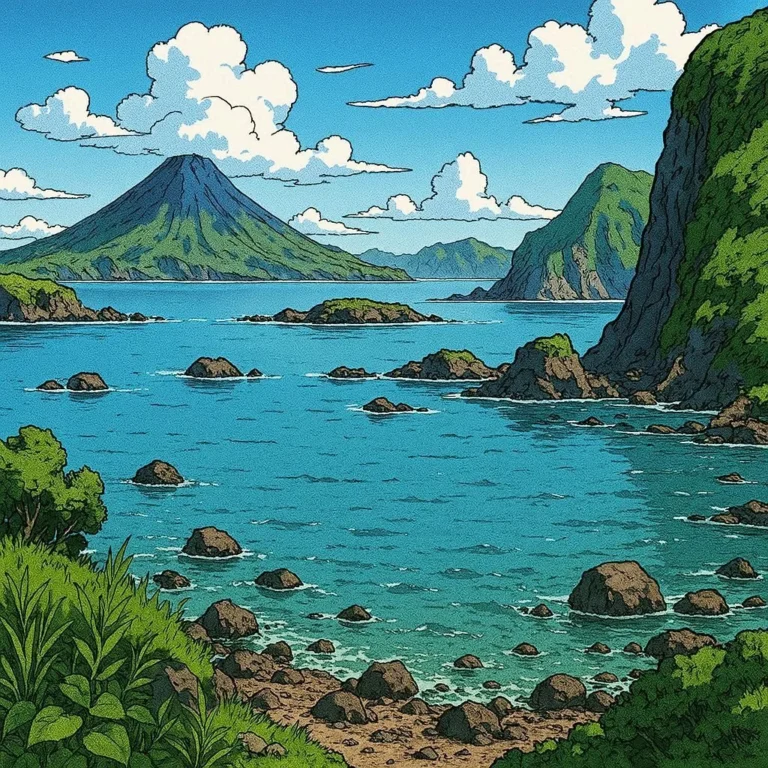
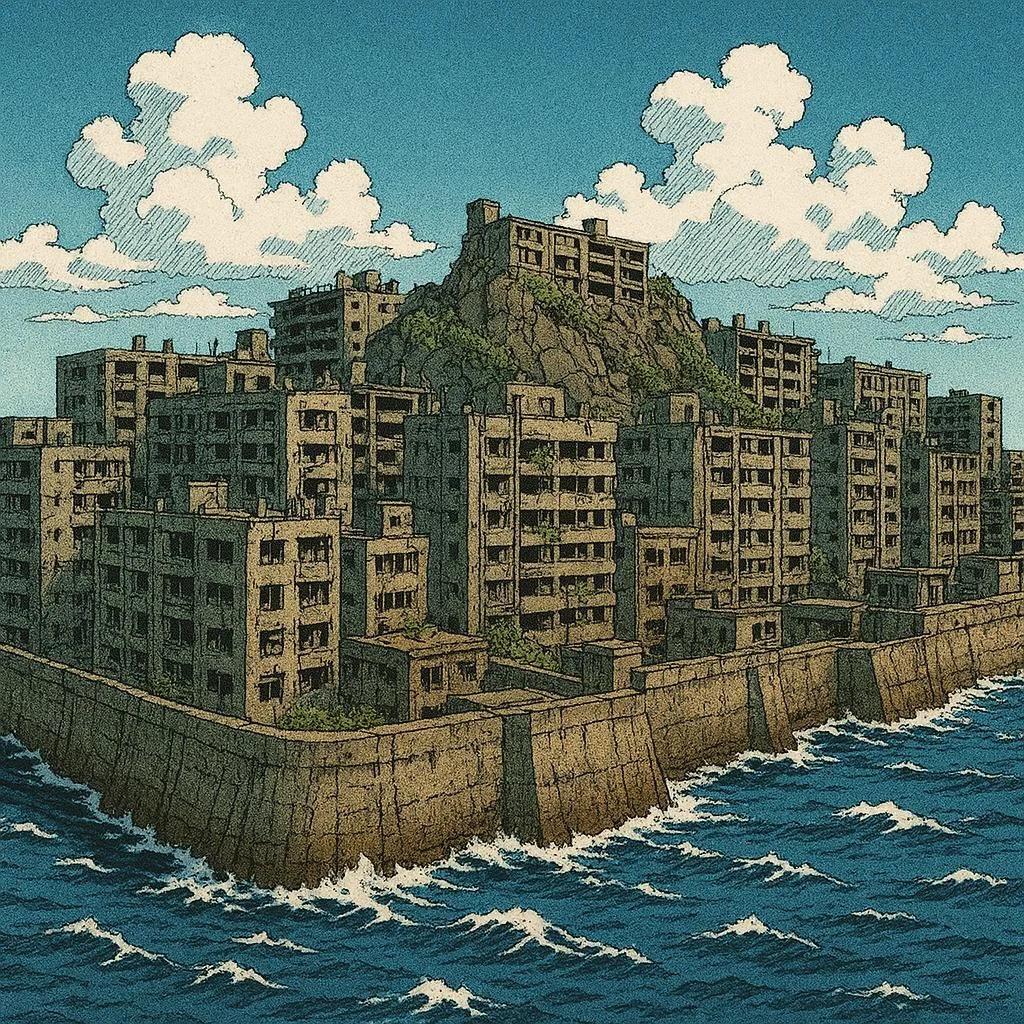
Hashima Island, also known as Gunkanjima (literally “Battleship Island” in Japanese), is a place that evokes images of an industrial past and nature reclaiming what was once a center of human activity. Located off the coast of Nagasaki, Japan, this small artificial island stands as a silent testament to history and engineering. Its distinctive shape, which resembles the silhouette of a warship, is the result of decades of continuous expansion to house thousands of miners and their families. Hashima’s unique geography is essential to understanding its singularity. The island is, in essence, a large industrial and residential complex built on rock. The buildings are attached to one another, creating a labyrinth of concrete and steel that rises abruptly above the sea. The island’s natural terrain is rocky and steep, which made it necessary to build defensive structures against storms and waves. Today, much of the island is abandoned, and nature has begun to make its presence known, covering the ruins with vegetation and eroding the concrete, giving it a ghostly yet fascinating appearance.
Geography and Unique Features
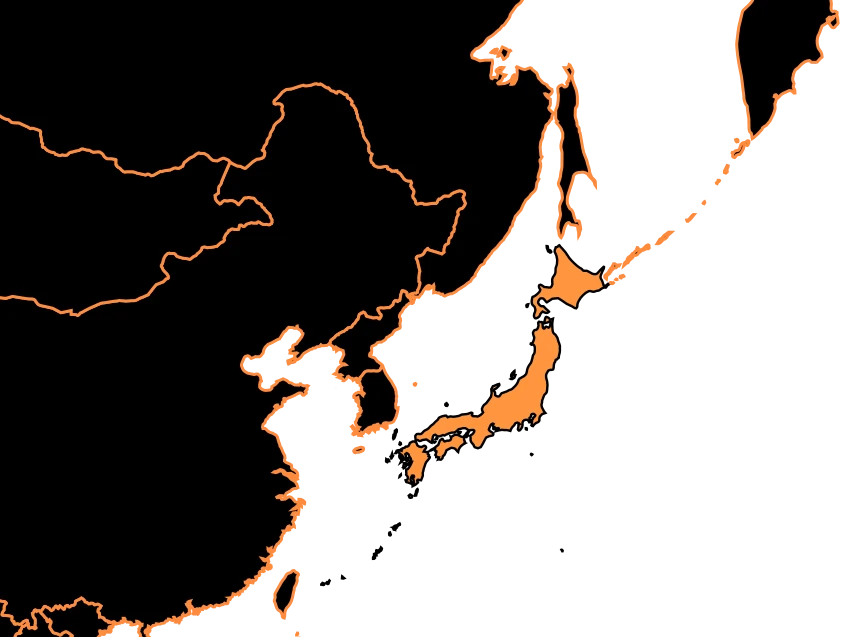
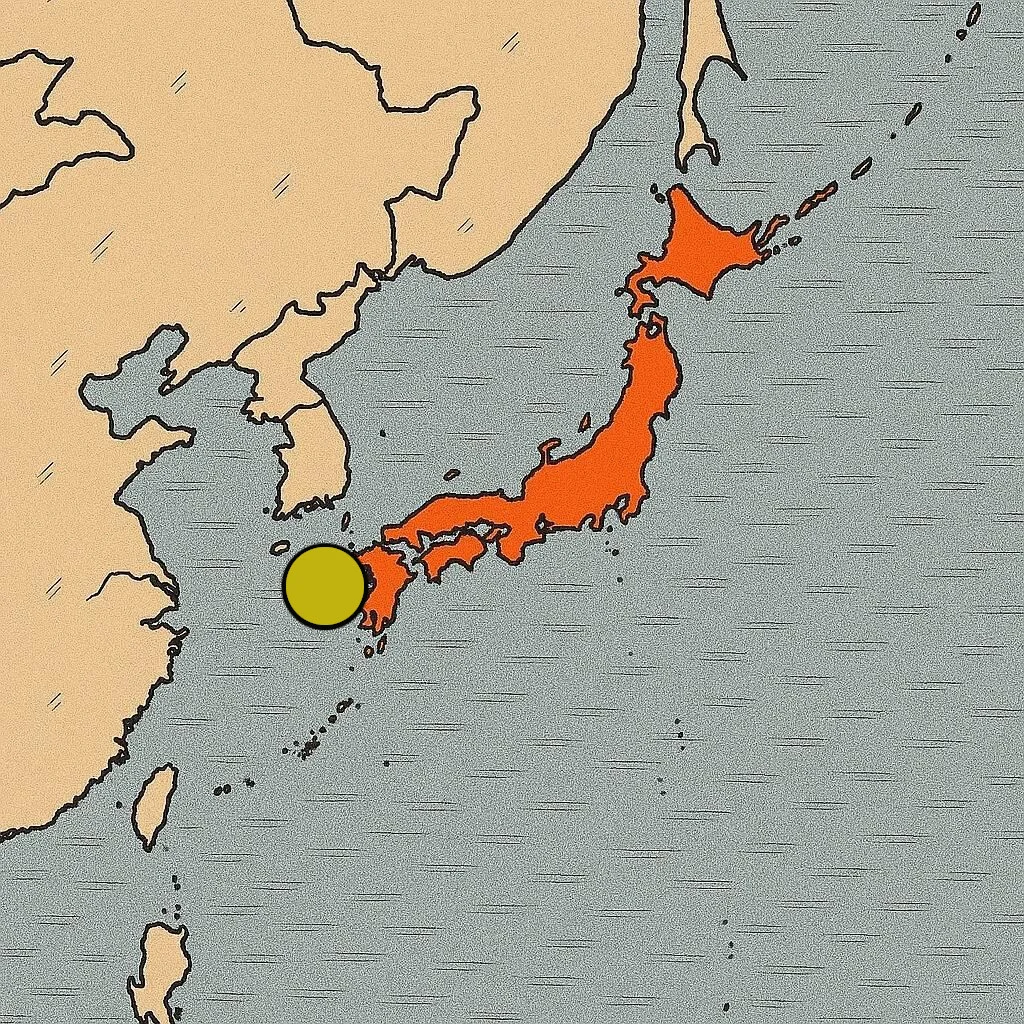
Hashima is located about 15 kilometers from Nagasaki, in the East China Sea. Its size is tiny, just 480 meters long and 150 meters wide at its broadest point, with a total area of only 0.063 square kilometers. What makes it truly special is its vertical construction. To maximize space and take advantage of the rich underwater coal seams beneath it, several-story concrete buildings were constructed, some up to 11 floors high. These buildings housed not only homes, but also schools, stores, movie theaters, hospitals, and even a casino. Everything was designed to be self-sufficient and isolated from the outside world, forming a vertical city above the sea. The climate on Hashima is temperate maritime, with hot, humid summers and mild winters. The constant presence of the sea has shaped the island, causing significant erosion in the uninhabited structures. The old coal mines, which were the reason for Hashima’s existence, extended beneath the seabed, creating a complex network of underground tunnels. The island itself was artificially expanded with rubble and earth to accommodate the growing population and the infrastructure needed for coal mining.
Brief History of Hashima Island
Hashima’s history is closely tied to coal mining. Initially, the island was only a rocky outcrop. However, in 1890, Mitsubishi bought the island and began coal extraction, which marked the start of rapid development. The island’s population grew exponentially, from just a few dozen to more than 5,000 people at its peak, making it one of the most densely populated places in the world. During World War II, Hashima played an important role in Japan’s war industry. It is said that prisoners of war, particularly Koreans and Chinese, were forced to work in the harsh conditions of the mines. This dark chapter of its history stands in stark contrast to the image of a thriving community. After the war, coal mining continued, but the shift to other energy sources and the depletion of reserves led to the mines closing in 1974. The island was evacuated within weeks, leaving behind a ghost town that has remained practically intact ever since. This rapid abandonment contributes to its “frozen moment in time” atmosphere.
Why Is Hashima a Mini Adventure for Children?
Although at first glance Hashima might seem like a gloomy and abandoned place, from a child’s perspective this island holds fascinating potential for adventure and discovery. For younger children, the island becomes a setting for explorers, hidden treasures, and lost civilizations. Its unique architecture, with buildings stacked like giant building blocks, invites stories of intrigue and espionage. The empty hallways and concrete stairways become secret paths and clues for unraveling mysteries. The large number of abandoned buildings, still filled with objects from everyday life decades ago — furniture, appliances, forgotten toys — are like time capsules waiting to be discovered. For a child, every object tells a story, every room is a character, and the entire island is one big open storybook. Nature, which has begun to reclaim the island, adds a touch of magic and fantasy. The vegetation growing through the concrete, the bird nests on the windowsills, and the roar of the sea against the structures create an atmosphere that feeds the imagination. Hashima, with its air of mystery and its almost labyrinthine design, invites children to develop their creativity, invent their own narratives, and see in the ruins not decay, but the trace of a fascinating story they are about to uncover. It is a place where innate curiosity is rewarded by the chance to explore a world that seems straight out of a video game or an adventure film. The feeling of being in a “forbidden” or secret place, as a deserted and mysterious island is perceived, only increases its appeal for the young, adventurous mind.