


Sakura
Japan’s Spring
For a few weeks each year, Japan changes color. The cherry trees begin to fill with blossoms, and millions of people head out to parks, gardens, and streets to admire them.
But there is something even more surprising: the blooming does not happen all over Japan at the same time. It begins in the south and moves northward, like a huge wave of spring sweeping across the country. This phenomenon has a name that almost everyone knows: sakura.
A Spring You Can Follow
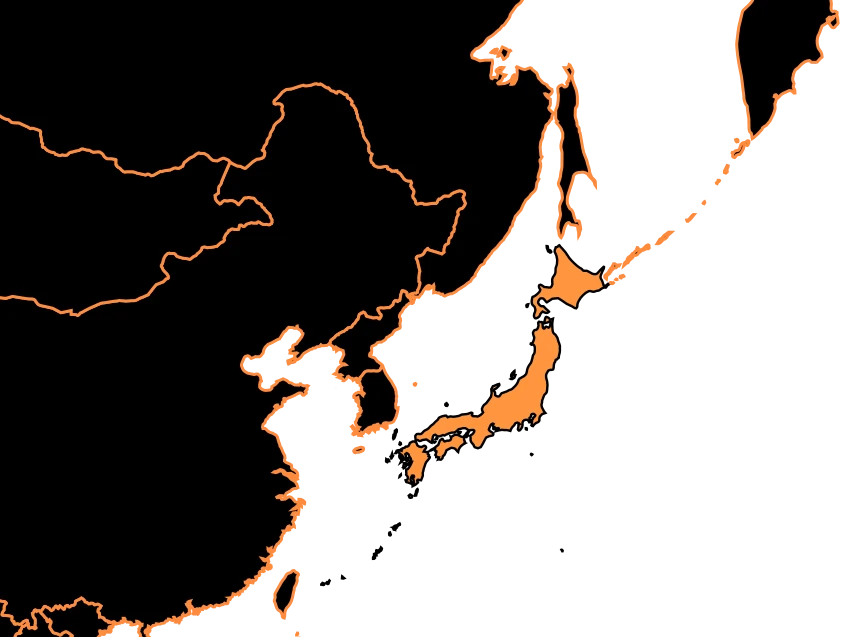
Japan is a very long country, with islands stretching from the warm regions of the south to the much colder areas of the north. That is why cherry trees bloom on different dates depending on the location.
When the first blossoms appear in the south, a race toward the north begins. The news and weather services track the progression of the blooming and announce when the trees are expected to reach their full splendor. It is as if an entire country were waiting for the arrival of spring.
Millions of People Looking at Trees
When the blooming arrives, parks and gardens fill with people. Families, friends, and coworkers gather under the trees to admire the blossoms, eat together, and enjoy the good weather. This tradition is called hanami, which literally means “flower viewing.”
It is not simply about looking at a pretty tree. Hanami is part of Japanese culture and turns the arrival of spring into an event that brings millions of people together.
A Flower That Barely Lasts
And here appears one of the most curious things about sakura. The blossoms are beautiful, but they last very little time. Depending on weather conditions, the blooming period can be quite brief. Wind and rain can make the petals fall quickly.
For a few days, the trees are covered in blossoms. Then, the petals begin to fall and the landscape changes once again. Perhaps that is precisely why the blooming feels so special. You have to be there at the right moment.
A Wave of Flowers
When spring arrives, the blossoms begin to appear in the warmest areas and then move toward more northern regions. Thus, for weeks, Japan can witness a huge succession of bloomings.
First in some places. Then in others. And finally in the north. It is possible to follow the path of spring almost as if it were an expedition.
Much More Than a Tree
Cherry trees have become one of the most recognizable images of Japan.
They appear in photographs, paintings, festivals, and celebrations. But their importance is not due solely to their beauty.
The brief life of the flowers has also been linked for centuries to an idea deeply rooted in Japanese culture: the beauty of things that do not last forever.
The petals appear. They reach their full splendor. And shortly after, they disappear.
That is why the sakura does not only represent spring. It also reminds us that some of the most beautiful moments can be precisely the briefest ones.
A phenomenon that marks the calendar
The sakura belongs to the Natural Treasure category because it turns a natural phenomenon into something that practically marks the calendar of an entire country.
Millions of people wait every year for the arrival of the flowers, follow their progress, and organize their own celebrations around them.
For a few weeks, all of Japan seems to look toward the trees. Spring arrives like a wave of flowers, travels from south to north, and disappears almost as quickly as it came. And perhaps that is why, when the cherry trees bloom, all of Japan knows that spring has arrived.