

Way of St James
The adventure that has been uniting Europe for over a thousand years
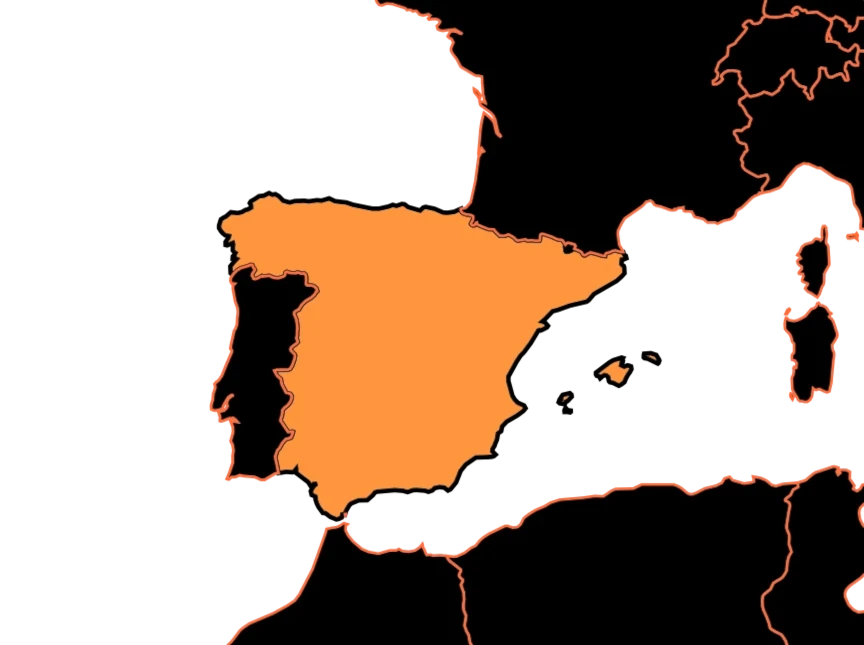
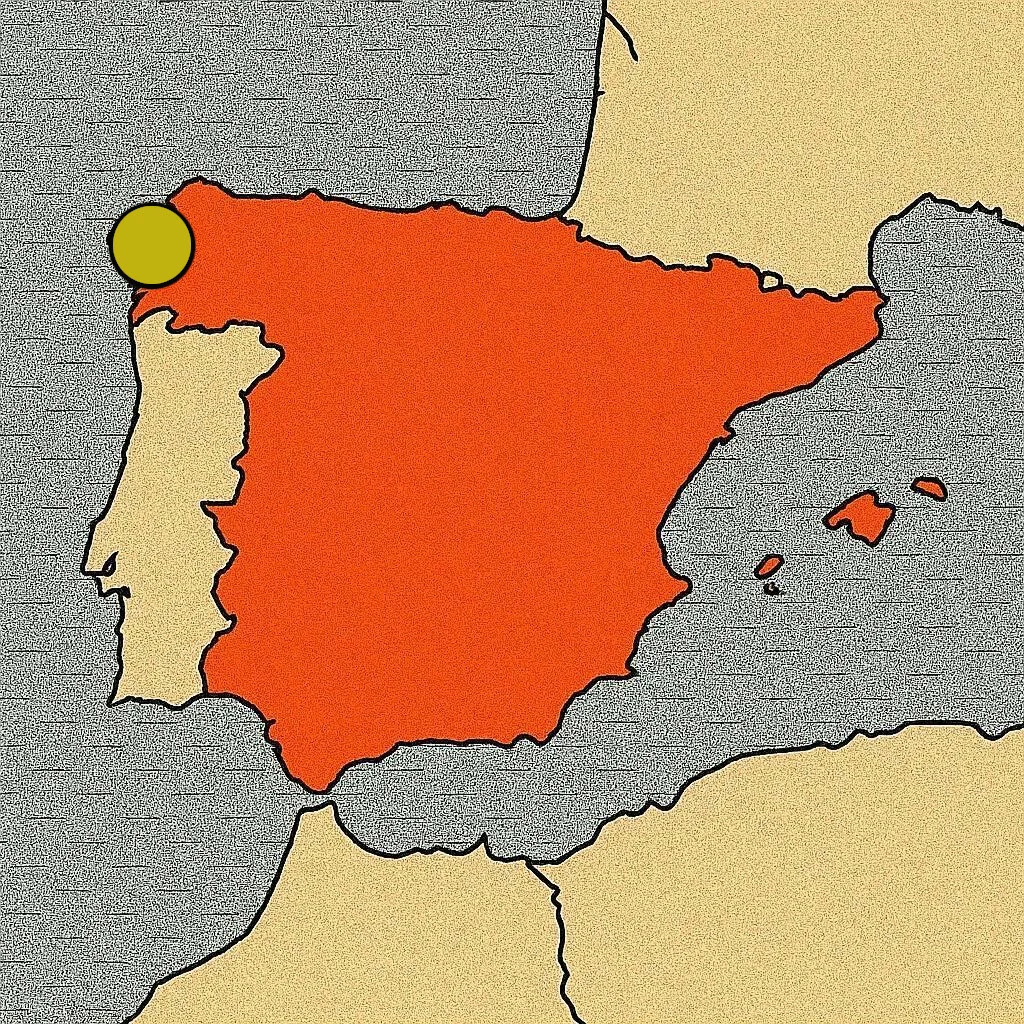
What would you think if you were told that thousands of people walk for weeks, even months, to reach the same city? Without cars, most of them without bicycles, walking and carrying only a backpack. That great adventure is called the Camino de Santiago and it ends in Santiago de Compostela, in northwestern Spain.
A story that began over a thousand years ago
Tradition says that over 1,200 years ago, the tomb of the apostle Saint James (Santiago), one of Jesus’ disciples, was found in Galicia. The news spread quickly throughout Europe and thousands of people began traveling to that place to visit it.
Over the centuries, the Camino became one of the most important pilgrimages in the world, along with Rome and Jerusalem. But there was a problem: at that time there were no trains, cars or planes. The only way to get there was… walking.
A journey that crossed an entire continent
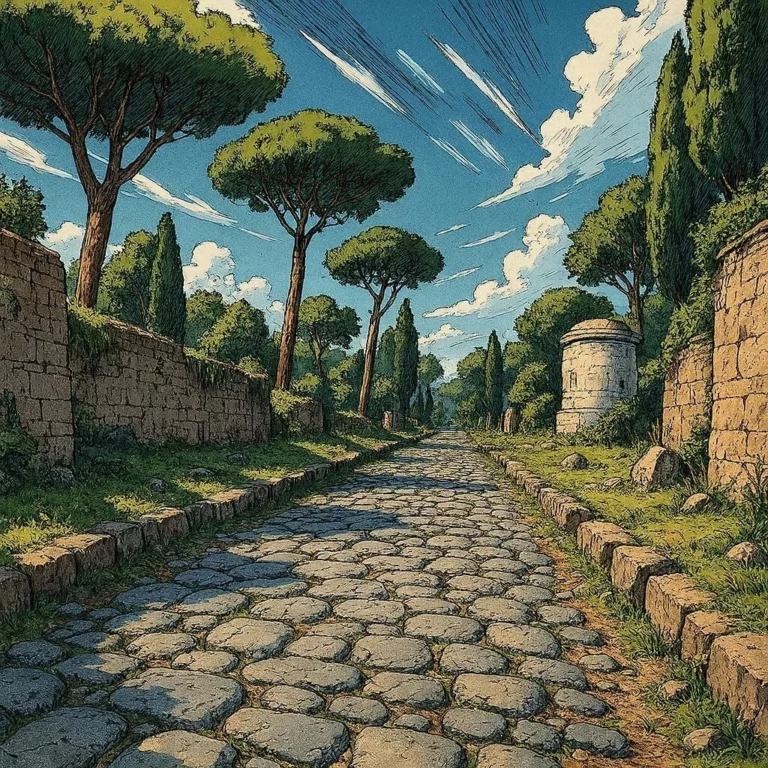
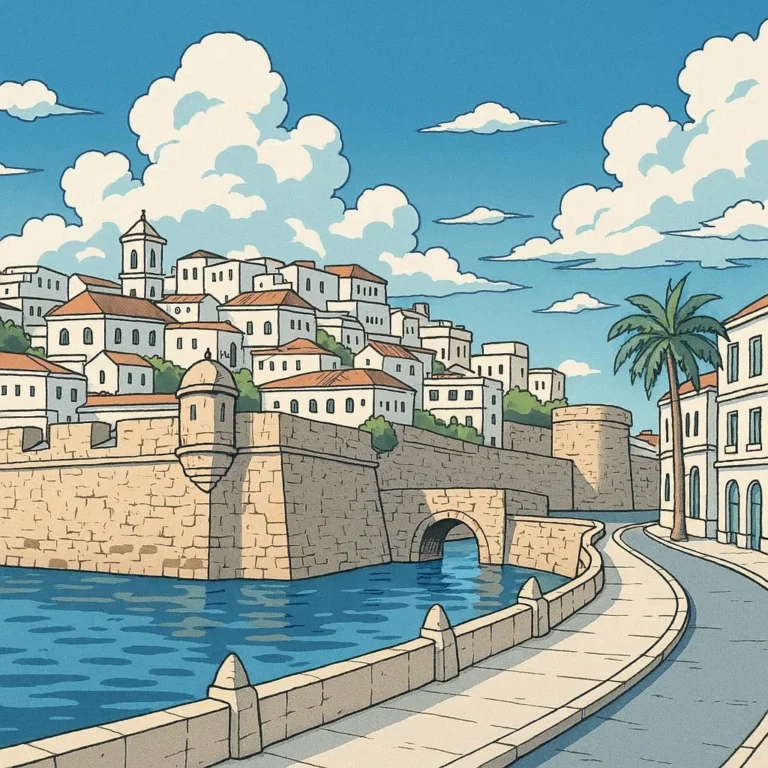
Little by little, paths appeared that came from France, Portugal, Italy, Germany and even from much more distant places. Along the routes, bridges, hospitals, monasteries and hostels were built to help pilgrims.
Thanks to the Camino, people who spoke different languages exchanged stories, knowledge and customs. Long before the European Union existed, the Camino was already uniting thousands of people from all over the continent.
Following the yellow arrows
Today the Camino is still alive. In fact, very much alive. Every year, hundreds of thousands of people travel along one of its routes.
You don’t have to start from very far away. Some walk only the last hundred kilometers, but most spend weeks to reach Santiago. How do they know where to go? It’s very simple: they follow yellow arrows painted on stones, trees or walls, and a very special symbol: the scallop shell, which has become the emblem of the Camino.
It’s like a huge treasure hunt that crosses mountains, forests, towns and cities.
Much more than walking
Walking the Camino is not just about moving forward. Each day you have to decide how many kilometers to do, where to sleep, take care of your feet to avoid blisters, and pack your backpack with everything you need.
Along the way you meet people from many countries. Some seek a sporting challenge. Others want to disconnect from the noise of the city. Many simply want to live an unforgettable adventure. Many others do it for a religious feeling. At the end of the day, everyone shares hostels, dinners and stories, even if they speak different languages.
The final reward
After many days of walking, the pilgrims finally arrive at the Plaza del Obradoiro. Before them appears the great Cathedral of Santiago. Some smile. Others hug each other. Many feel a mix of joy and pride.
It doesn’t matter if they have walked one hundred or a thousand kilometers. What matters is having arrived. That is why those who complete the Camino receive a diploma called the Compostela, which certifies that they have made the pilgrimage.
Would you accept the challenge?
The Camino de Santiago is one of those adventures that never end. Every year it begins anew when thousands of people lace up their boots and take the first step.
Maybe now it seems like an impossible distance. But in a few years, when you are a little older, you could walk a part with your family or friends. Perhaps you would walk only a few days. Or maybe you would dare to walk hundreds of kilometers.
Imagine waking up every morning with a backpack on your back, following the yellow arrows, crossing medieval bridges, sleeping in ancient hostels and meeting travelers from all over the world who have the same goal as you.
Because the Camino de Santiago is not just a place in Spain. It’s an adventure that has been waiting for new explorers for over a thousand years. Maybe the next one will be you.