

Around the World
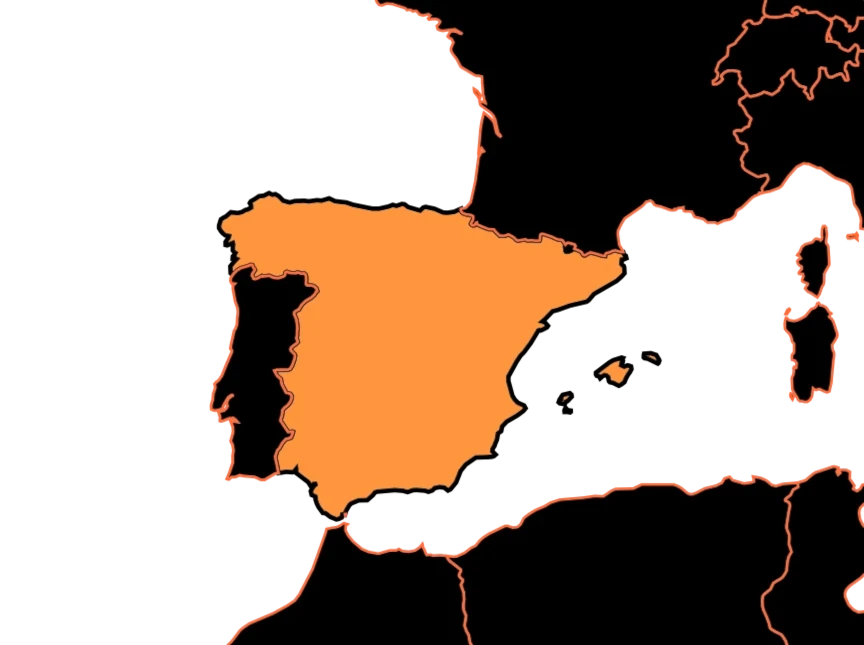
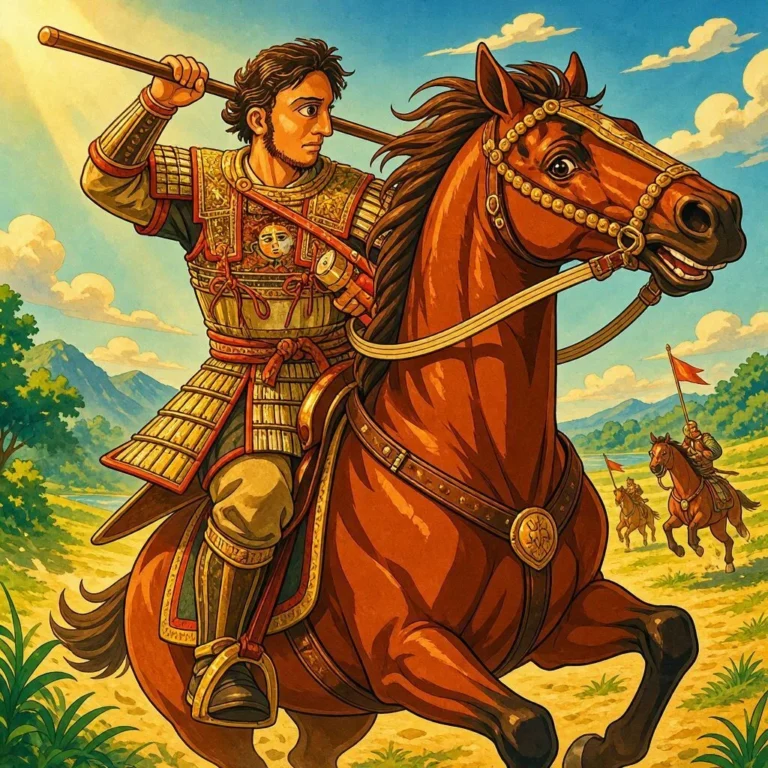
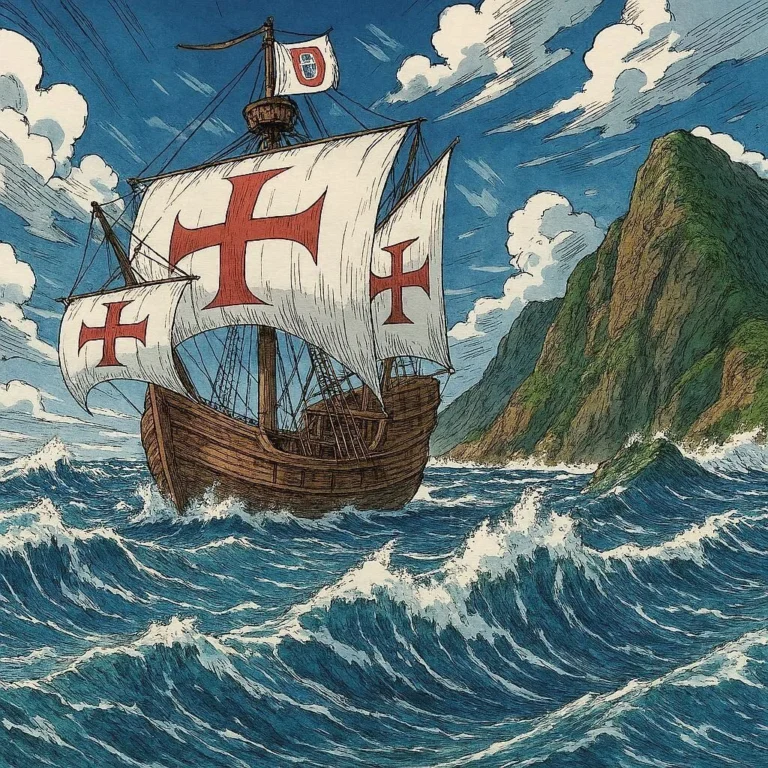
In 1519, an expedition of five ships set sail from Spain with a very ambitious goal: to find a new route to the Spice Islands by sailing west. In command was an experienced Portuguese mariner named Ferdinand Magellan.
No one imagined the adventure that awaited them.
A journey full of dangers
The expedition crossed the Atlantic Ocean and traveled along the coast of South America, searching for a passage to the other side of the continent. For months they found no outlet. Cold, hunger, and exhaustion sparked mutinies among the crew. Some wanted to return to Spain, convinced the expedition was doomed to failure.
Finally, they discovered a narrow passage between mountains and glaciers that we today know as the Strait of Magellan. On the other side, a vast and surprisingly calm ocean appeared. Magellan named it the Pacific Ocean.
An ocean larger than anyone imagined
The sailors thought Asia was much closer. They were wrong. For more than three months they sailed without finding hardly any land. Food began to run out, and many men fell ill with scurvy, a disease caused by a lack of fresh provisions. They ended up eating leather, sawdust, and even rats to survive.
It was one of the toughest voyages in the history of navigation.
Elcano takes command
After reaching the Philippines, Magellan died in a skirmish with local warriors. It seemed the expedition had come to an end. However, one of the captains decided to continue. His name was Juan Sebastián Elcano. By then, only two ships and very few men remained.
After loading the holds with valuable spices, Elcano made a risky decision: instead of returning the same way, he would continue sailing westward. If he succeeded, he would complete the circumnavigation of the globe.
Only eighteen returned
The return voyage was even more difficult. One of the ships had to be left behind, and the other crossed the Indian Ocean while avoiding Portuguese ports, which could capture it.
Then it rounded Africa again and crossed the Atlantic. On September 6, 1522, almost three years after departing, the ship Victoria entered the port of Sanlúcar de Barrameda.
Of the approximately 240 men who had begun the expedition, only 18 managed to return. But they had achieved something no one had done before. They had completely circled the globe.
How did it change the maps?
Elcano’s expedition proved that all the oceans were connected and that it was possible to sail around the planet in the same direction.
The maps had to be redrawn. Cartographers understood the true size of the Pacific Ocean and the enormous distances separating the continents. From then on, the world ceased to be a collection of isolated lands and became a single planet connected by the sea.
It all began with five ships. And it ended with just one. The Victoria returned laden with spices, but its greatest treasure was proving that the Earth could be traveled in its entirety. That feat turned Juan Sebastián Elcano and his seventeen companions into the first human beings to circumnavigate the globe, forever changing the way we understand our planet.