

Ojos del Salado
The volcano that rises higher than any other
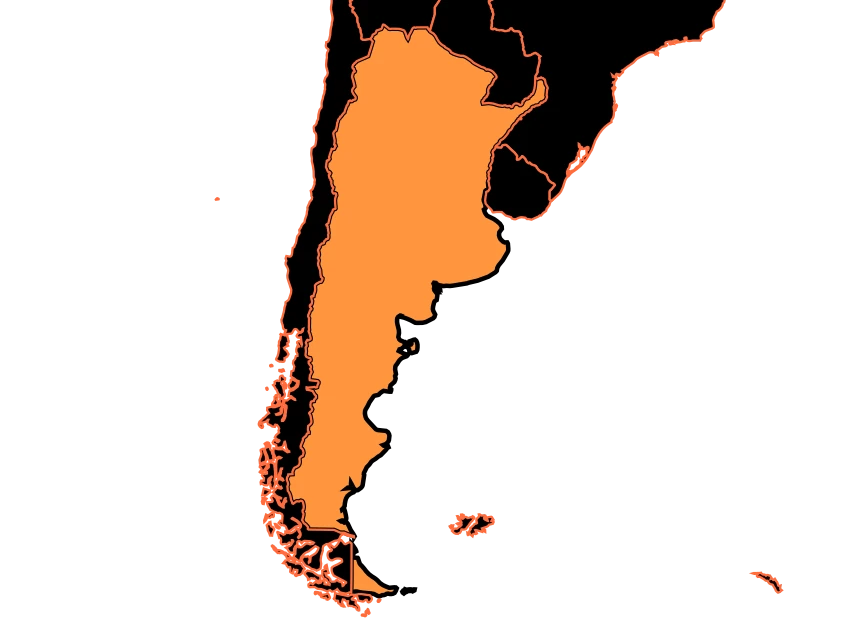
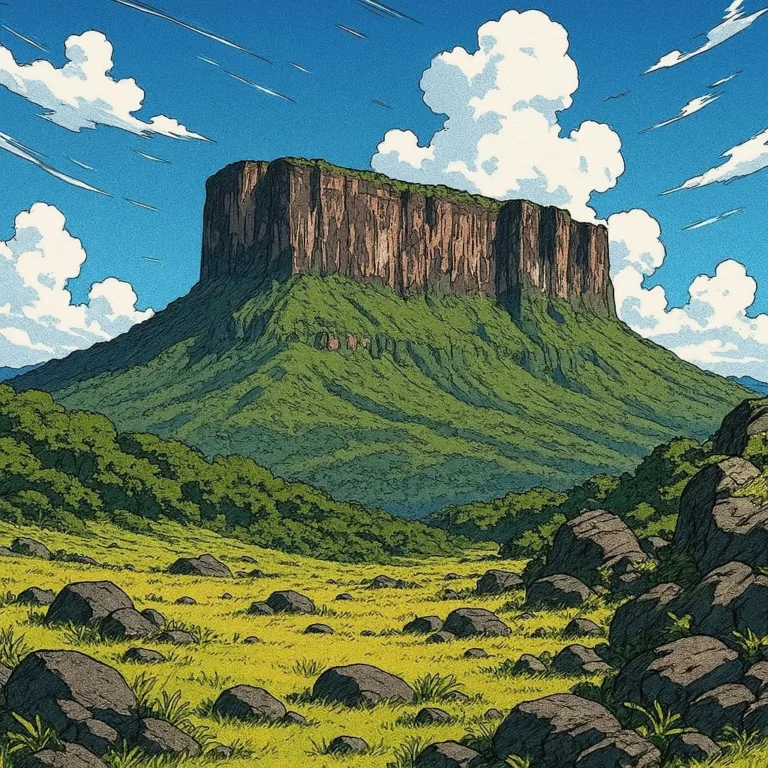
Ojos del Salado is the highest volcano in the world. On the border between Chile and Argentina, in the heart of the Andes mountain range, it rises to about 6,893 meters above sea level.
And the most surprising thing is that its summit is located in one of the driest and most extreme places on the planet.
A volcano on the roof of the Andes
Ojos del Salado is part of the Andes mountain range, a huge mountain chain that runs along the western edge of South America. Its peak reaches an extraordinary height. To picture it, just compare it to some of the most famous volcanoes on the planet: Kilimanjaro reaches 5,895 meters, Mount Fuji 3,776; while Ojos del Salado exceeds 6,800.
It’s like placing a gigantic volcano on the roof of South America.
Why is it so tall?
The explanation lies in the geological history of the Andes. The Nazca plate slides beneath the South American plate. This enormous movement of the Earth’s crust has raised the Andes mountains and fueled intense volcanic activity.
Ojos del Salado is part of this volcanic region. Although it is not currently in a phase of major eruptions, it is still considered an active volcano. The mountain we see is the result of millions of years of Earth’s movement.
A volcano in a desert
Here appears one of the great contrasts of Ojos del Salado. We are facing a volcano of almost 7,000 meters… But around it, there is one of the driest environments on the planet.
Northern Chile and the border area with Argentina receive very little precipitation. The landscape is dominated by rocks, sand, salt flats, and bare mountains. At the highest parts, however, snow and ice appear. A giant covered in snow rising over a desert with almost no water.
A landscape from another world
As you ascend, vegetation practically disappears and the air becomes thinner and thinner. Temperatures can drop well below freezing. And the landscape transforms into a succession of rocks, snow, ice, and volcanoes. There are no forests, no large rivers, and of course, no cities. Only mountains and an enormous sky.
It looks more like a landscape from Mars than a corner of South America.
The highest lake in the world
Ojos del Salado also holds another extraordinary curiosity. In its surroundings, there is a small body of water located at an altitude of approximately 6,400 meters, considered one of the highest permanent lakes or bodies of water on the planet.
It is hard to imagine liquid water at such an altitude. Up there, conditions are extreme: intense cold, little oxygen, and an extremely dry environment.
Climbing to the summit
Climbing Ojos del Salado is not a regular hike. The enormous altitude means that even people accustomed to the mountains need to acclimatize for several days.
As you ascend, every step becomes harder. There is less oxygen in the air, and the cold can be intense. The final stretch requires overcoming rocky terrain and high-mountain slopes. And when you finally reach the summit, an extraordinary view of the Andes and the desert stretching out around them appears. From up there, the world seems immense and empty.
A volcano of two countries
Ojos del Salado lies on the border between Chile and Argentina. The mountain is part of a landscape where political borders seem small compared to the scale of nature.
Volcanoes, deserts, and mountains do not understand lines drawn on maps. The same landscape continues on both sides of the border.
A world champion
Ojos del Salado belongs to the world champion category due to an impressive record: it is the highest volcano on the planet.
But its record is only part of the story. It is also a mountain of nearly 7,000 meters, a volcano located in one of the driest places on Earth, and an example of how the movement of tectonic plates can build gigantic landscapes.
Perhaps that is why it is so hard to imagine. A gigantic volcano rising from a desert and reaching nearly 7,000 meters in height. A place where the Earth seems to have pushed its extremes to the limit.