
Fermont
The city that built a wall against the cold
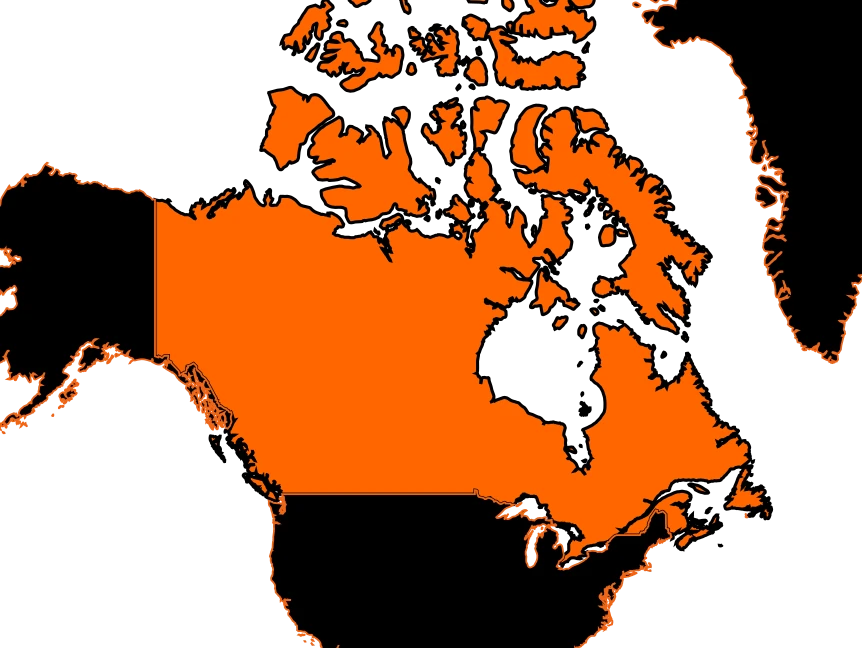
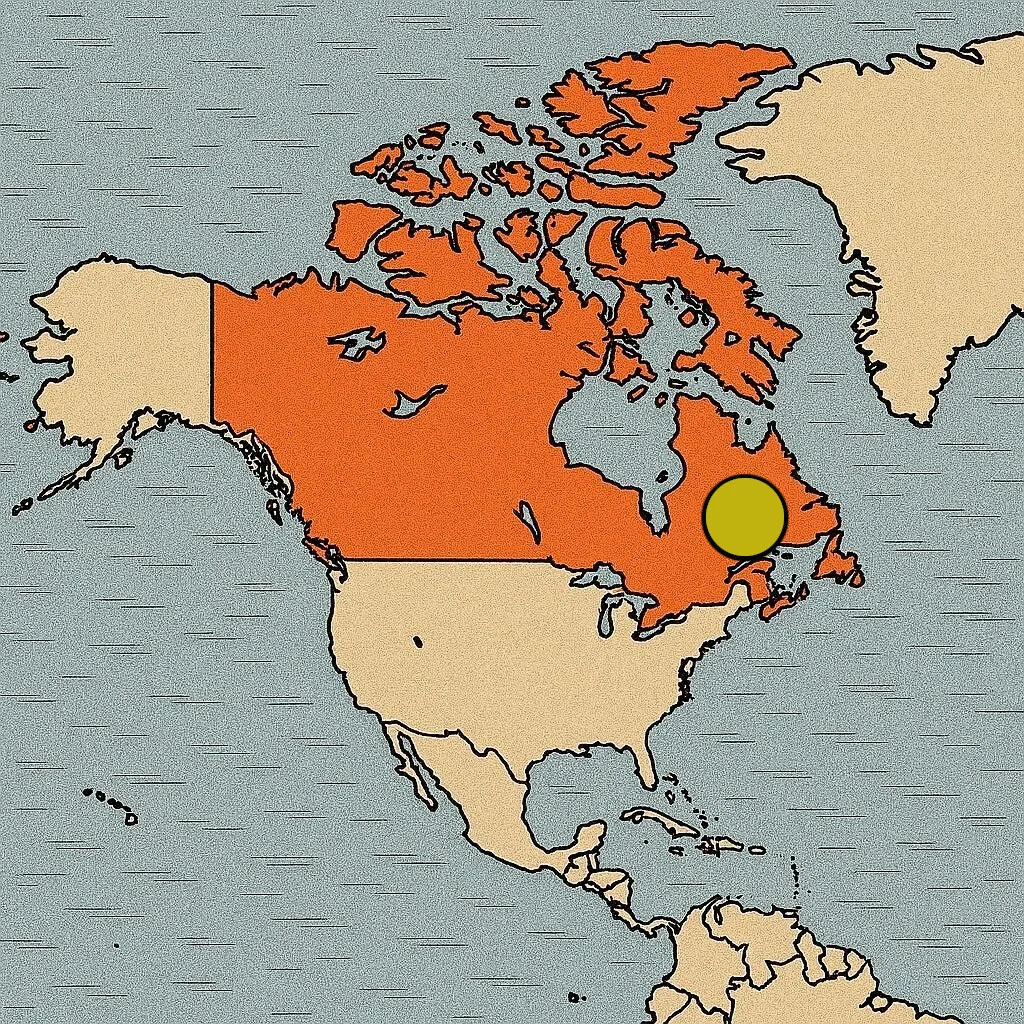
In the far north of Quebec, where winters can be extraordinarily harsh, there is a city that seems straight out of a science fiction movie. Its name is Fermont.
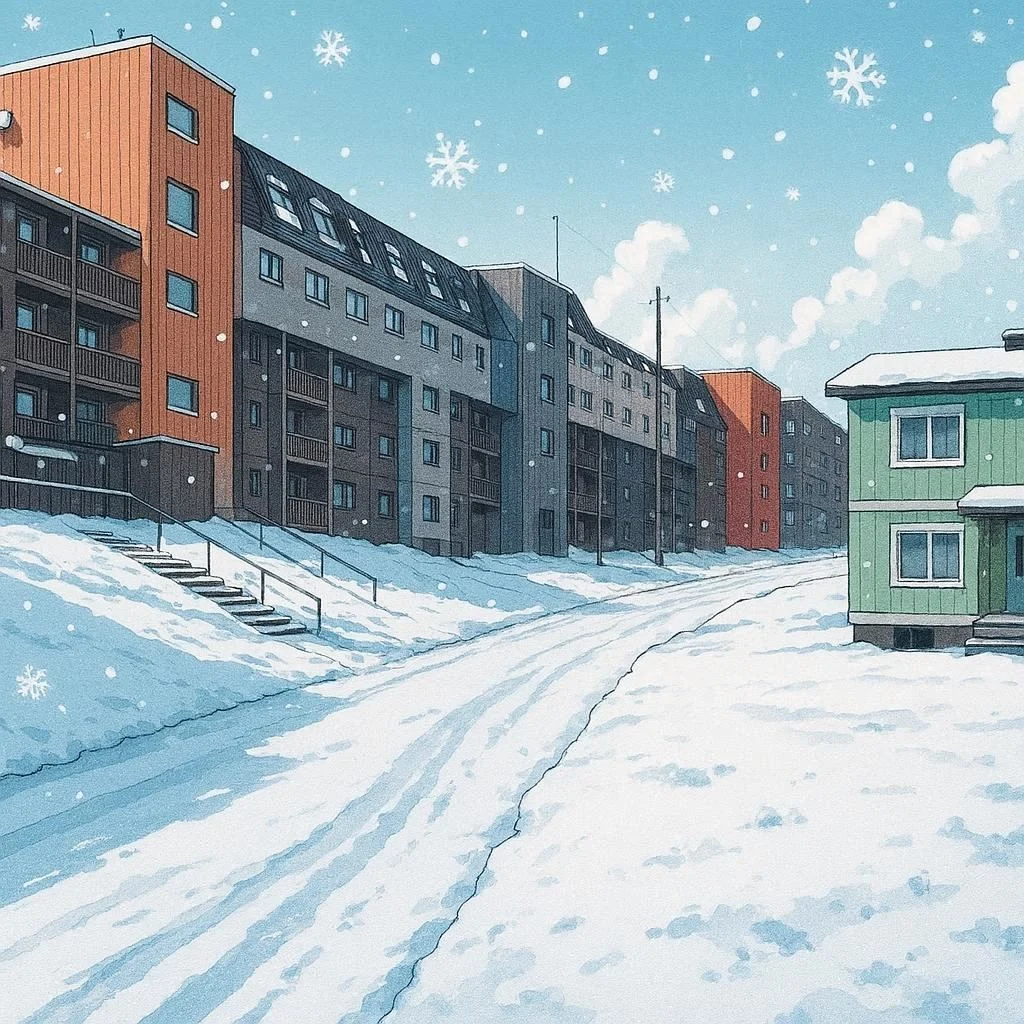
And it has something that no other Canadian city possesses: a massive wall more than a kilometer long that protects its residents from the cold and the wind. It is not a medieval wall. It is a gigantic building.
A city inside a building
Fermont was born in the 1970s next to a huge iron mine. The problem was that the chosen location had extremely harsh weather. During winter, temperatures can drop dramatically, and strong winds make going outside particularly unpleasant.
The architects had an extraordinary idea. Instead of building a completely open city, they would place a massive barrier-shaped building facing the prevailing winds. That is how the famous Mur-écran was born, the great protective screen of Fermont.
A concrete wall
The structure is more than a kilometer long and can reach several stories in height. From a distance, it looks like a giant colorful wall set in the middle of a nearly empty landscape. But behind it lies a large part of the city.
There are homes, shops, restaurants, schools, services, and other spaces that allow residents to carry out many activities without constantly having to face the cold outside. The idea is simple but surprising: using a building to change the climate of a city.
Living protected from winter
During the coldest months, the large structure acts as a wind barrier. Inside, many of the services the population needs are concentrated. That means residents can move between different sheltered places without having to constantly go outside.
It does not eliminate winter. But it changes the way it is experienced. It is as if Fermont had built a small city within another city.
Why build a city here?
The answer lies underground. The region has enormous deposits of iron ore.
In the 1970s, mining operations began at Mont-Wright, and a community was needed near the mining facilities. So the need to build a city came first.
Then came the enormous challenge: How do you build a city for thousands of people in a place with such extreme winters? Fermont was the answer.
A city designed from scratch
Fermont did not grow slowly around an ancient square or a medieval road. It was designed practically from scratch. The buildings, streets, and services were planned with the site’s conditions in mind. The great barrier became the city’s most recognizable feature.
From the air, its shape is even more striking: a huge line of buildings that shields the urban core from the wind.
An Almost Science-Fiction Idea
We are used to cities adapting to the landscape. In Fermont, something different happened. The city was designed to confront the landscape. The cold, the wind, and the distance forced architects and engineers to think differently.
Instead of accepting that residents would have to constantly walk through a frozen exterior, they designed a structure that would allow daily life to be concentrated in protected spaces.
An Impossible City
Fermont belongs to the Impossible City category because it seems hard to believe that a city can hide behind a massive wall built specifically to protect it from winter.
It is not a castle. It is not a fortress. It is a city. And its gigantic facade has a very specific mission: to make human life possible in one of the coldest and most isolated places in Canada.
In Fermont, architecture is not just about building houses: it is about fighting the climate.