
Yellowstone
The park where the Earth is alive
Imagine walking through a forest and suddenly coming across a huge column of steam rising toward the sky. You keep walking and intensely blue waters appear. Farther ahead, the ground bubbles. And then you hear a roar.
You are not on another planet. You are in Yellowstone, one of the places where we can best see that the Earth is still a geologically active planet.
A gigantic park
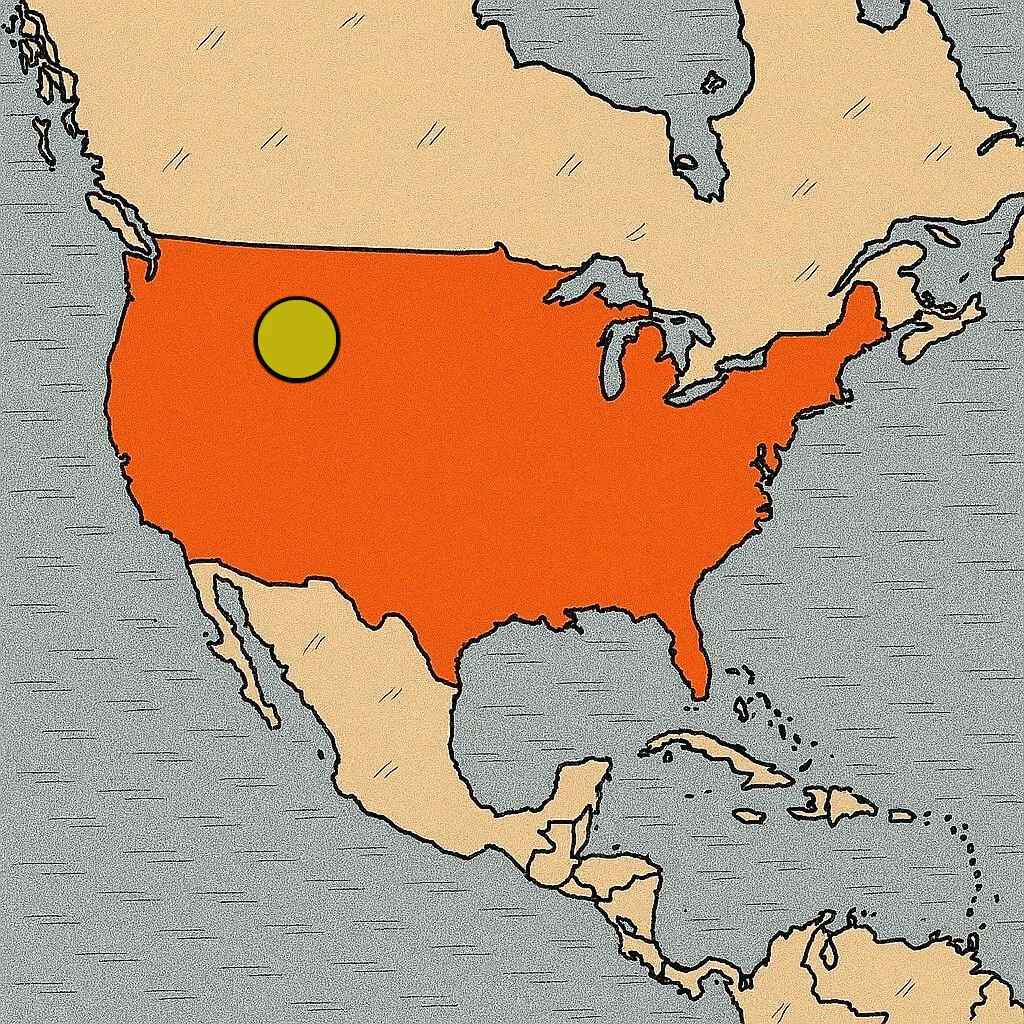
Yellowstone is located primarily in the state of Wyoming, in the United States, and was protected as a national park in 1872. It was the first national park in the world.
Its territory is enormous and contains mountains, forests, rivers, lakes, waterfalls, and an extraordinary number of geothermal phenomena.
But what makes Yellowstone unique is hidden beneath our feet. The heat from the Earth’s interior reaches the surface.
The supervolcano
Beneath Yellowstone, there is an enormous region of hot rock that fuels its geothermal activity.
In the past, gigantic volcanic eruptions occurred that completely transformed the landscape. Today, Yellowstone is not covered by lava. Instead, underground heat warms the water found beneath the soil. And when that water finds a way out… geysers, hot springs, and boiling mud pots appear.
The geyser that shoots water into the sky
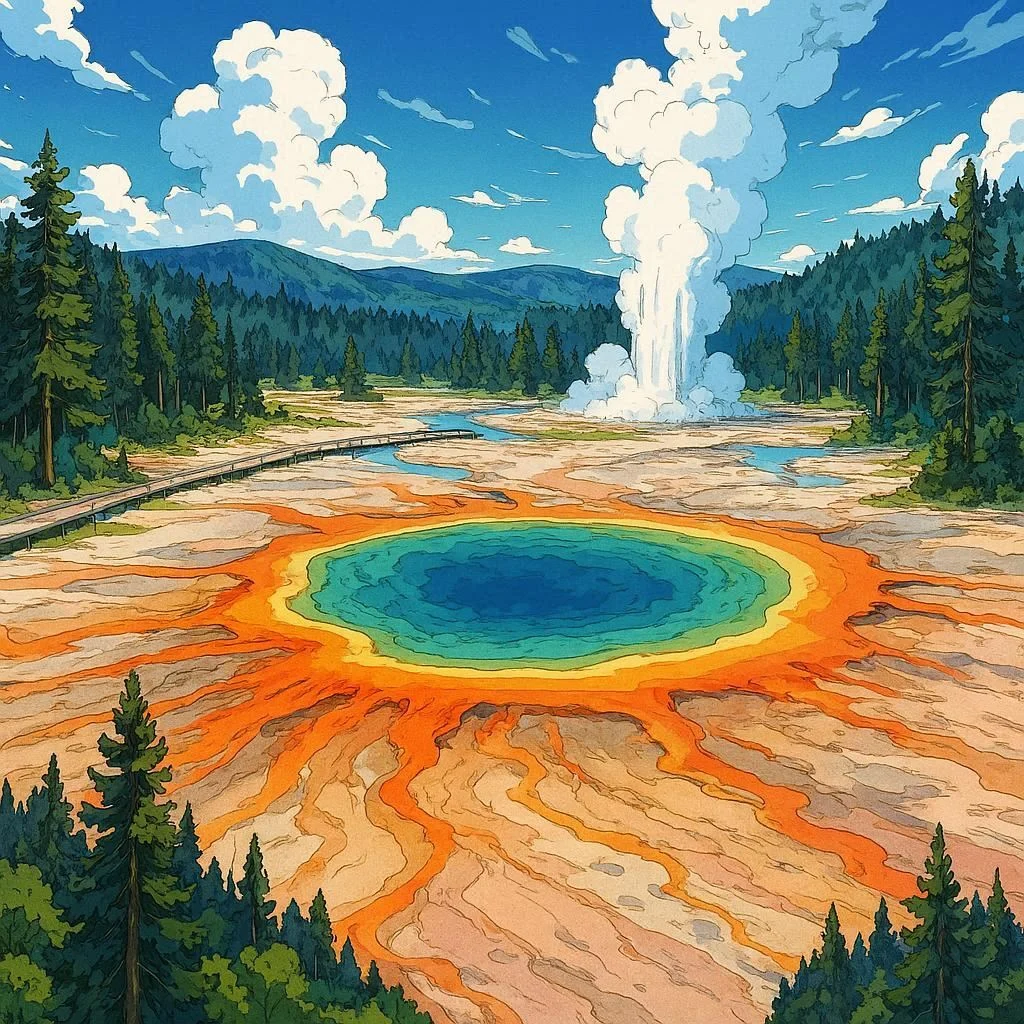
One of the park’s most famous spots is Old Faithful. It is a geyser that periodically releases a huge column of hot water and steam. When the eruption begins, the water shoots up into the sky. For a few moments, it seems as if the ground itself is erupting.
Old Faithful is just one of the thousands of hydrothermal features that exist in Yellowstone.
Pools of impossible colors
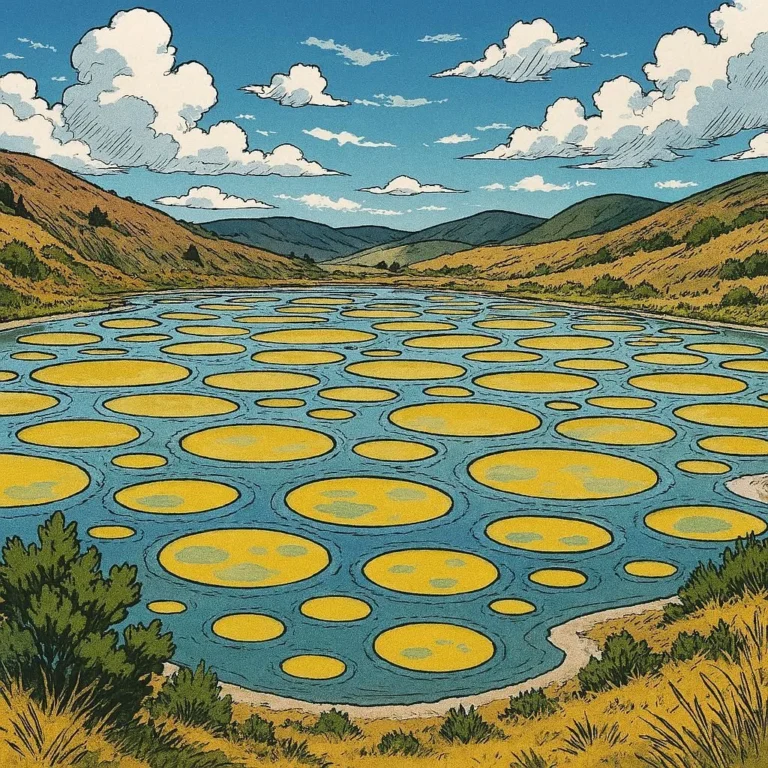
Some hot springs seem to have colors that should not exist in nature: deep blues, yellows, oranges, and greens. These colors can be due to minerals and microorganisms that live in the hot waters.
One of the most famous formations is Grand Prismatic Spring, a massive hot spring surrounded by brilliant colors. From above, it looks like a giant colorful eye open in the middle of the landscape.
A landscape that changes
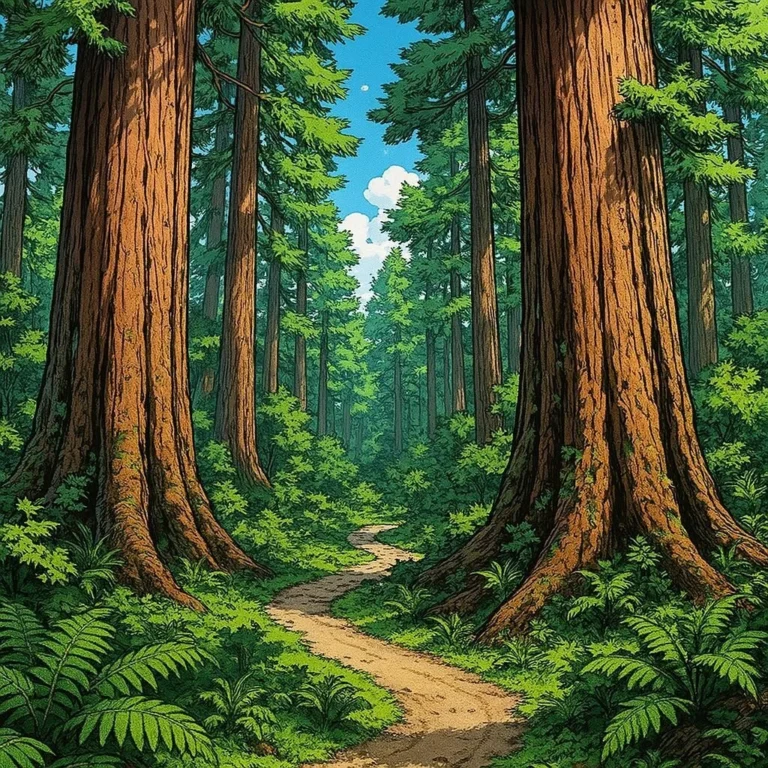
Yellowstone is not just a place to watch geysers. It also has enormous forests, canyons, waterfalls, and meadows. And in those landscapes live animals such as bison, bears, wolves, elk, and other large mammals.
Bison are especially characteristic. You can find them walking through the meadows or crossing roads, reminding us that Yellowstone is not a nature museum. It is a living ecosystem.
The Grand Canyon of Yellowstone
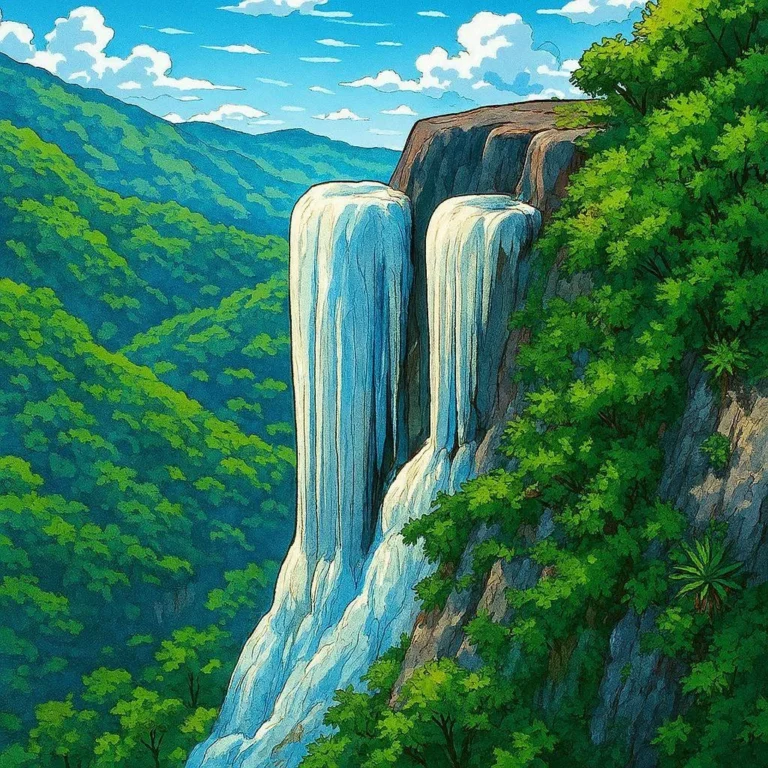
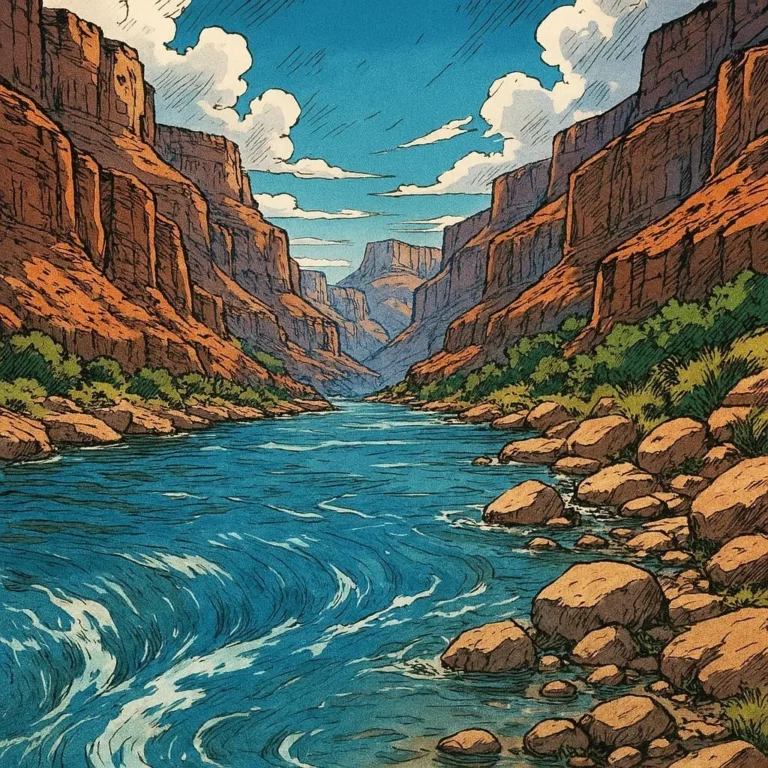
The Yellowstone River crosses the park and has carved out a spectacular canyon. Its walls display different colors and rock formations. In some spots, the river plunges, forming enormous waterfalls.
The landscape is so breathtaking that it’s easy to forget all of this is part of the same phenomenon: water, rock, ice, volcanoes, and time working together over millions of years.
A Window into the Earth’s Interior
What’s extraordinary about Yellowstone is that you don’t need to be a geologist to understand what you’re seeing. A geyser shows you water heated by the Earth’s interior. A hot spring proves there is heat beneath the ground. A fumarole releases steam. And a mud pot shows how hot water can transform rocks and minerals.
It’s like having an open window into the planet’s depths.
A Natural Treasure
Yellowstone belongs to the category of natural treasure because it brings together some of the most extraordinary natural phenomena on the planet in one place: geysers that shoot water into the sky, hot springs with impossible colors, gigantic canyons, forests and mountains, and wild animals that roam its landscapes freely.
Yellowstone is one of those places that reminds us our planet is an extraordinary place.