
Whittier
The city where almost everyone lives under the same roof
In Alaska, there is a city that seems designed for a movie. It has enormous mountains, glaciers, snow, and a harbor surrounded by water. But the strangest thing is in its buildings.
In Whittier, a large portion of its residents live, work, study, and go about their daily lives within a single building. An entire city hidden under one roof.
A city in an impossible place
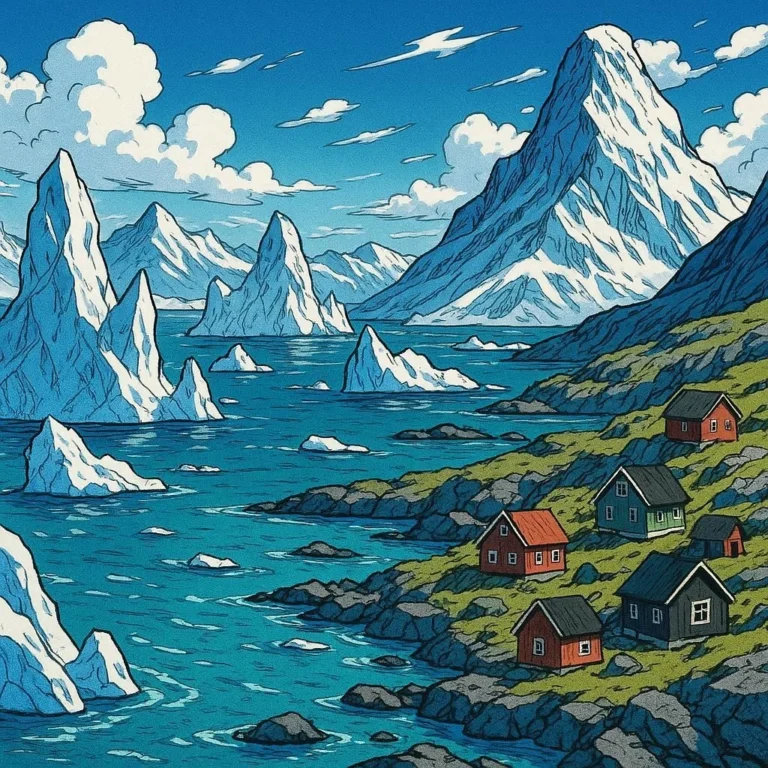
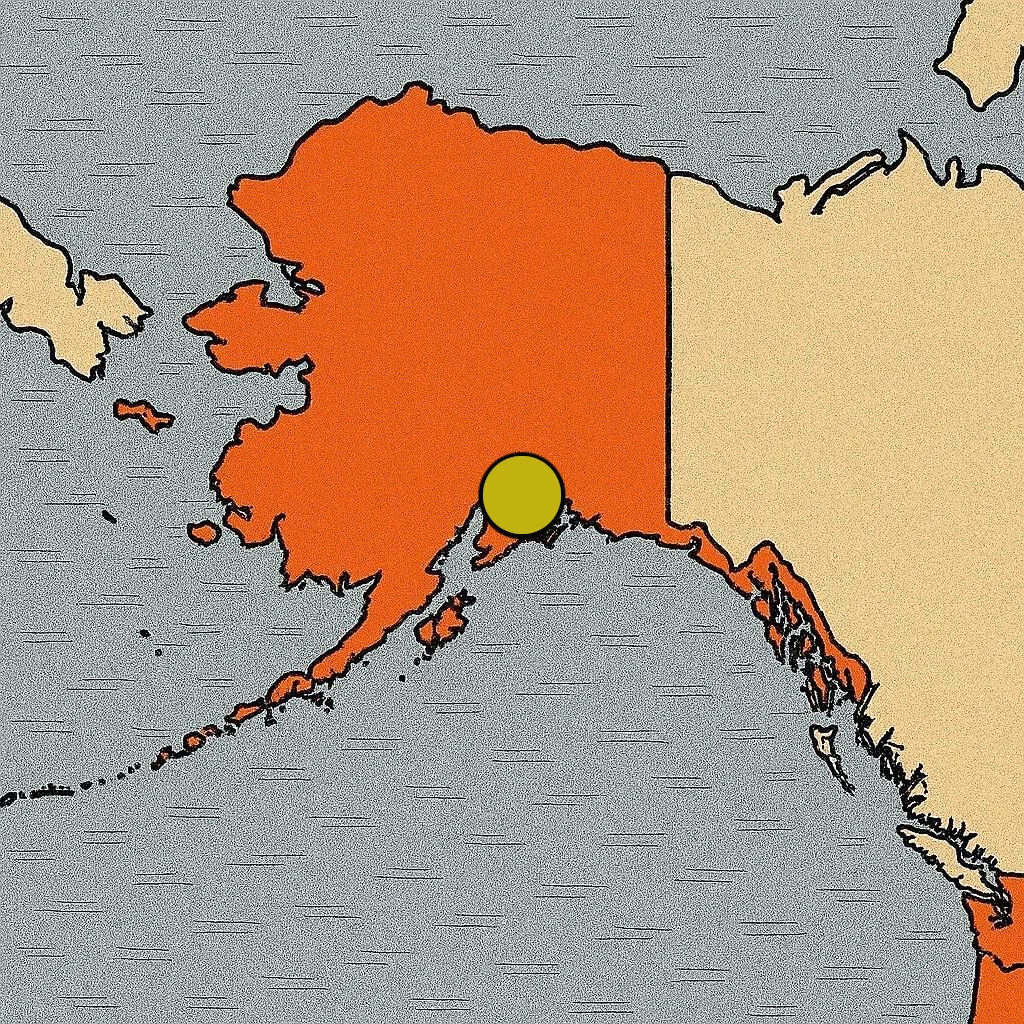
Whittier is located on the coast of Alaska, surrounded by very steep mountains. The climate is extreme, and rainfall is abundant.
Furthermore, the city is practically isolated by land. There is only one road connecting Whittier to the rest of Alaska, and to reach it you have to go through a long tunnel that trains also use.
It doesn’t seem like the easiest place to build a city. But it exists.
The building that became a city
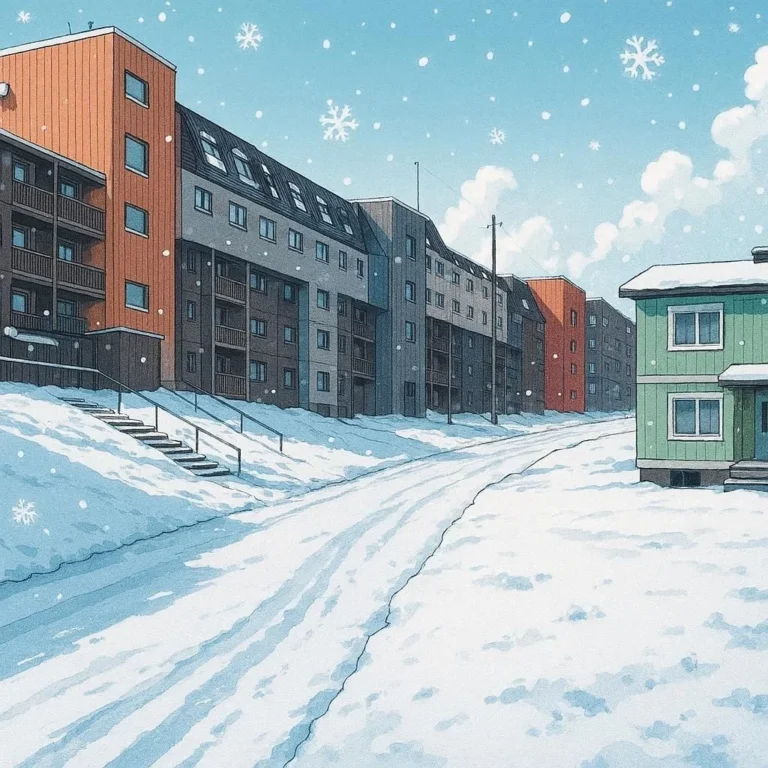
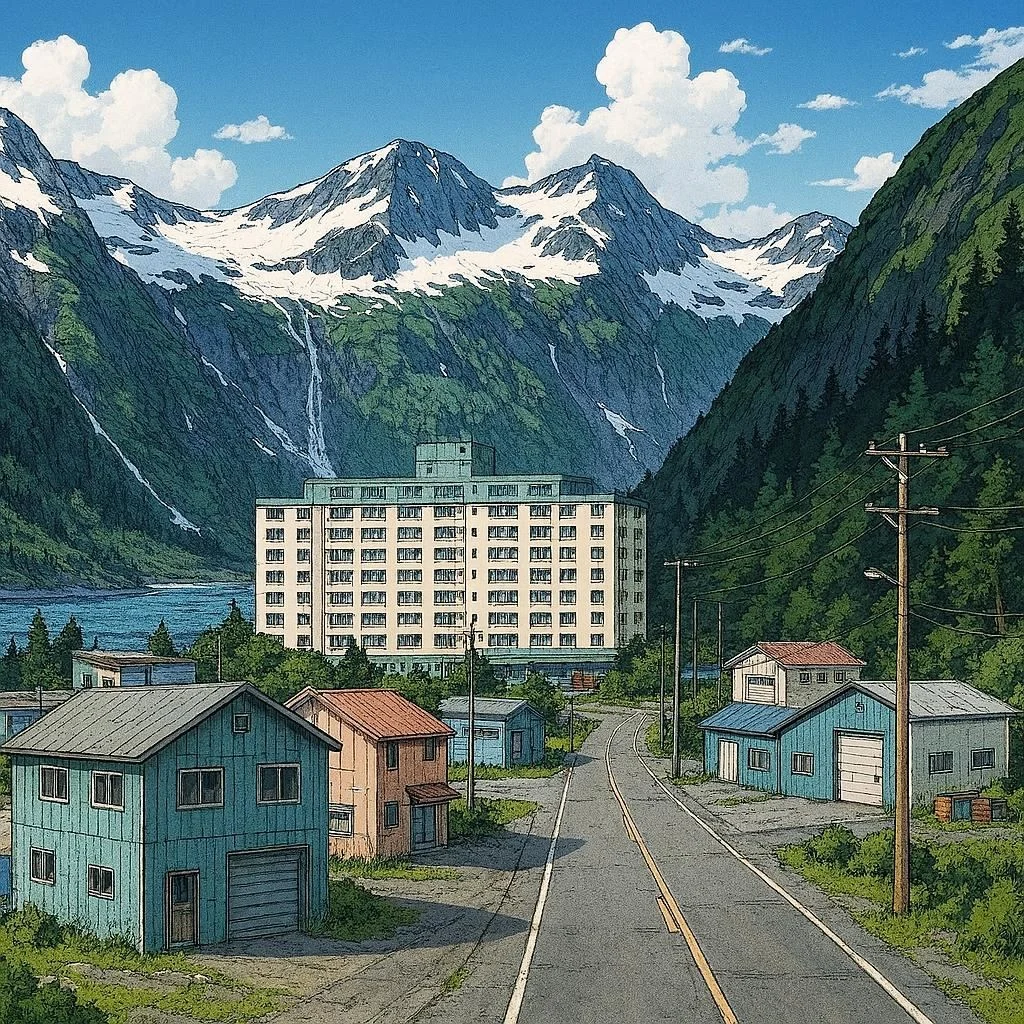
The centerpiece of Whittier is the Begich Towers. The massive building was originally built for military purposes and has multiple floors. Over time, many Whittier residents began to live there.
And inside the building, there are not only apartments. There are also essential services for the community. There is a small store, offices, a laundromat, and other spaces used by the neighbors. There is even a school connected to the building via a tunnel.
The idea is extraordinary: you can carry out a large part of your life without having to go outside.
Why live like this?
The answer lies in the climate. In winter, conditions can be very harsh. Heavy snowfall and rain make getting around outside not always comfortable.
Moreover, the mountains surrounding the city leave very little space for construction. Concentrating homes and services in a single building has a great advantage: it reduces the need to travel long distances in extreme weather.
A city born from war
Whittier grew during World War II. The U.S. military needed a protected port and decided to develop this area to transport supplies to Alaska.
The location was strategic. The mountains provided protection, and the port allowed for receiving goods.
After the war, some of the military facilities continued to be used. The city we know today was born from that military need.
A very special tunnel
To reach Whittier by road, you have to go through the Anton Anderson Memorial Tunnel. And here another surprising detail appears. The tunnel is not reserved exclusively for cars. Trains also run through it.
Traffic is organized so that vehicles and trains can use the same tunnel following schedules and control systems. For several kilometers, the city’s only land connection literally passes through the inside of a mountain.
When a storm hits
Imagine living in a city surrounded by mountains, where it can snow heavily, and where almost the entire community is concentrated in a single building.
On a normal day, this may seem simply curious. But when bad weather arrives, the reason for this design becomes much more evident. Residents can move between different services without having to constantly face outdoor conditions. Architecture becomes a way of adapting to the climate.
A nearly hidden city
From the outside, Whittier looks tiny. The mountains completely dominate the landscape. Water surrounds a large part of the town. And the buildings are dwarfed by the rock walls that rise around them. It’s hard to imagine that a permanent community lives there.
But behind the windows of Begich Towers, there are homes, families, workers, and children going about their daily lives.
An impossible city
Whittier belongs to the Impossible City category because it seems hard to believe that a city can function practically inside a single building.
But it makes sense once you understand where it is. Mountains, snow, rain, isolation, and very limited space to build. Instead of fighting those conditions, Whittier learned to adapt to them.
And that’s why there is a place in Alaska where you can wake up in your apartment, go down a few floors, go to school or buy something at a store, and still not have left the building. An entire city under one roof, hidden among the mountains of Alaska.