
Hué
Hué: the city of the last emperors
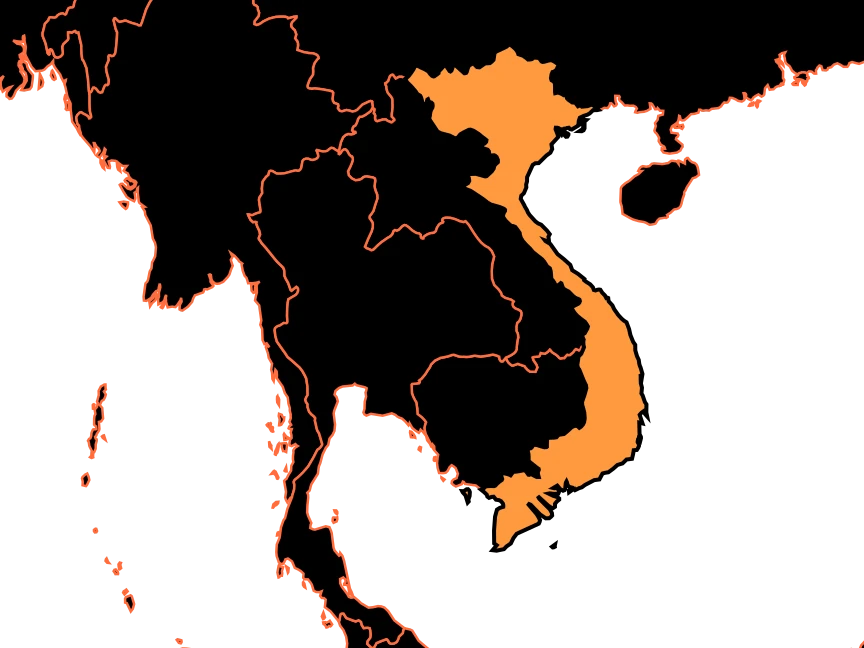
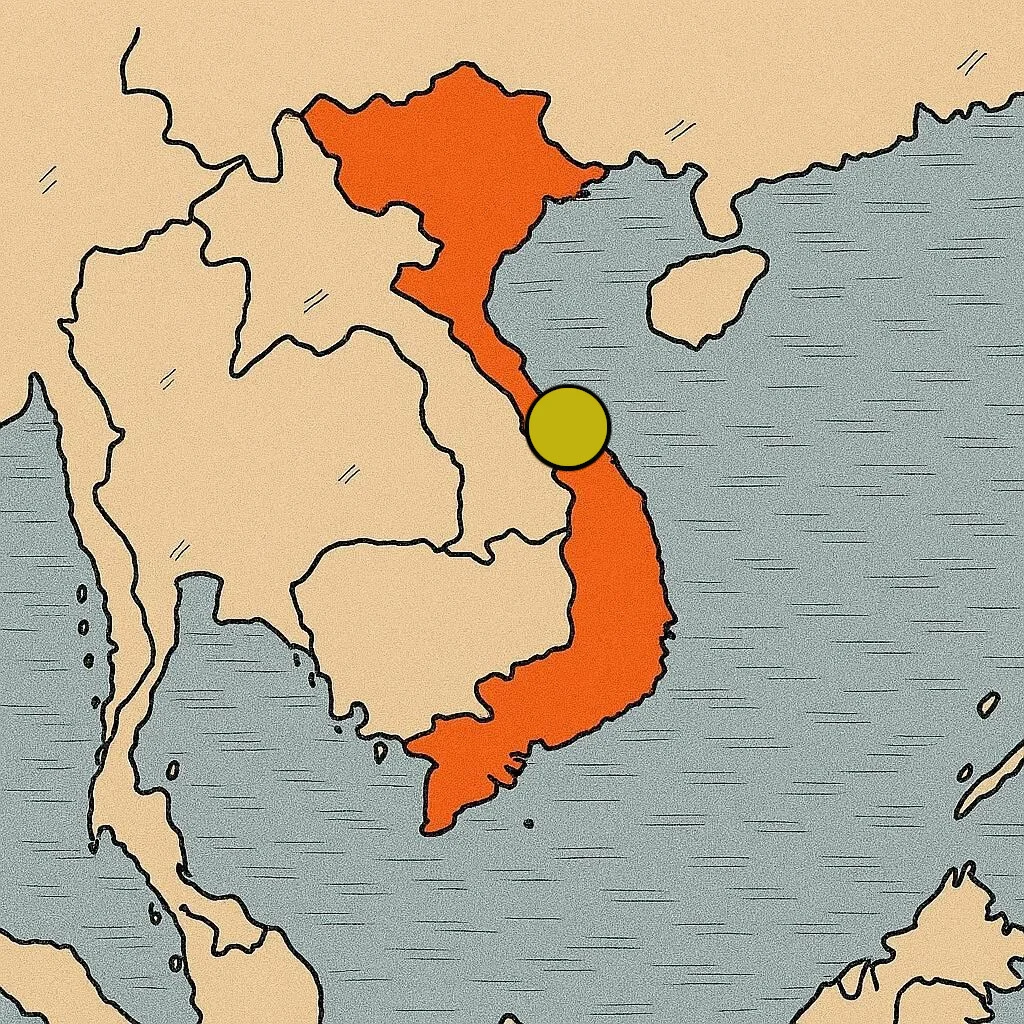
Long ago, Vietnam had emperors who ruled the country from a huge walled city. There were palaces, gardens, temples, lakes, and enormous gates guarded by soldiers. That city still exists and is called Huế.
For more than a century, Huế was the capital of the country and the home of the Nguyễn dynasty, the last family of Vietnamese emperors. Behind its walls, the most important decisions of the kingdom were made, and thousands of people dedicated to serving the emperor lived there.
A city within another city
The first thing that surprises you about Huế is that it was not a single palace, but an entire city protected by enormous walls and a wide moat filled with water. Inside, there was another even more protected city, called the Imperial City. There lived the emperor, his family, and the high officials.
And there was still a third, even more secret enclosure: the Forbidden Purple City, where only the emperor, his closest relatives, and a few trusted servants could enter. No one else had permission to cross its gates.
It was like a box inside another box, each time harder to get through.
The son of the dragon
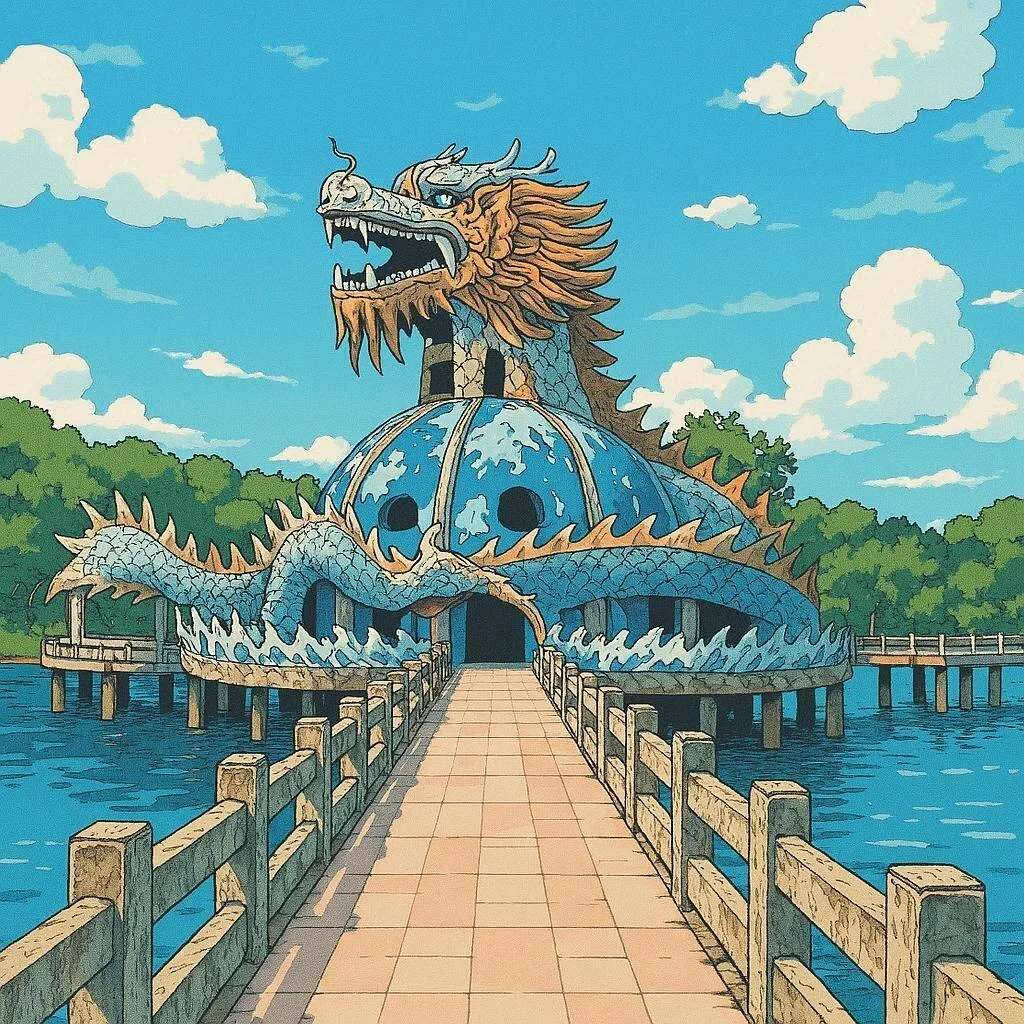
The emperors of Vietnam were considered very special people. It was said that they ruled by the will of Heaven and that the dragon was their symbol. Therefore, dragons appear everywhere in Huế: on the roofs, stairs, thrones, and gates. For the Vietnamese, the dragon was not a monster, but a wise, powerful, and protective animal.
Many buildings were painted yellow, a color reserved exclusively for the emperor. No other person could use it freely.
A palace full of gardens
Unlike many European castles, Huế was not built only with defense against enemies in mind. Its architects also wanted to create a peaceful and beautiful place.
That is why they built ponds with lotus flowers, gardens, stone bridges, and elegant pavilions where the emperor could rest, read, or receive his advisors. Each building was placed following ancient Chinese rules that sought harmony between people and nature.
A city that survived the war
Huế remained for many years as the heart of the ancient kingdom of Vietnam. However, in the 20th century, the country suffered several wars. In 1968, during the Vietnam War, the city was the scene of some of the hardest battles of the conflict. Many historic buildings were destroyed by explosions and fires.
For decades, thousands of people worked to rebuild palaces, gates, and temples using the same materials and techniques that the ancient craftsmen had employed. Thanks to that enormous effort, today we can once again walk through much of the Imperial City.
A wonder that tells the story of Vietnam
Visiting Huế is like traveling several centuries back. As you walk along its walls, you can imagine the soldiers guarding the gates, the mandarins crossing the courtyards in their long robes, and the emperor observing the gardens from his palace.
Every gate, every temple, and every bridge reminds us that, before becoming the modern country we know today, Vietnam was a great empire ruled from this city.
Perhaps its buildings are not the tallest in the world nor the most famous, but Huế holds something even more valuable: the history of a people and their last emperors. That is why it remains one of the great wonders of Vietnam and one of the best places to discover what life was like in an imperial palace just two hundred years ago.