
Banaue
Banaue: The Stunning Rice Terraces of the Philippines
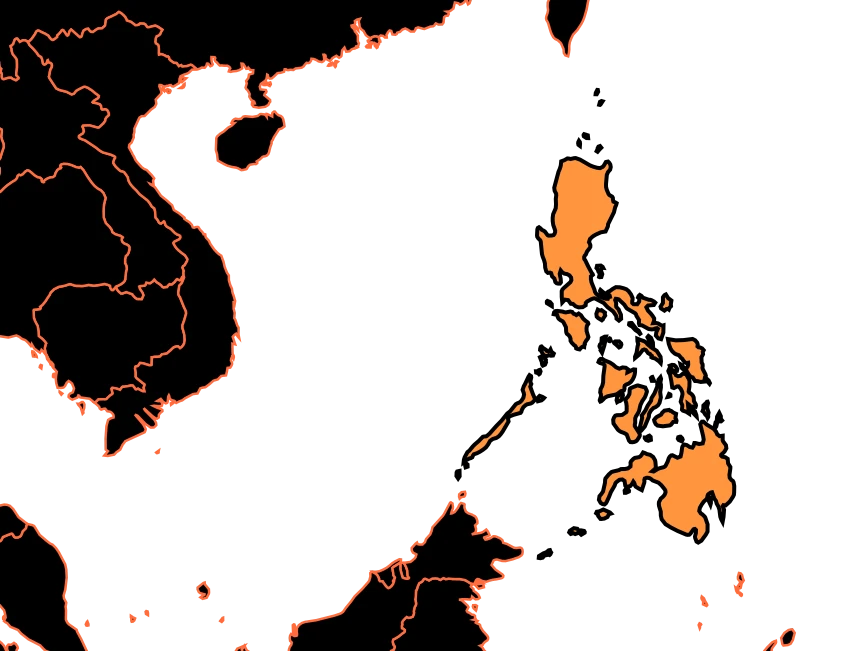
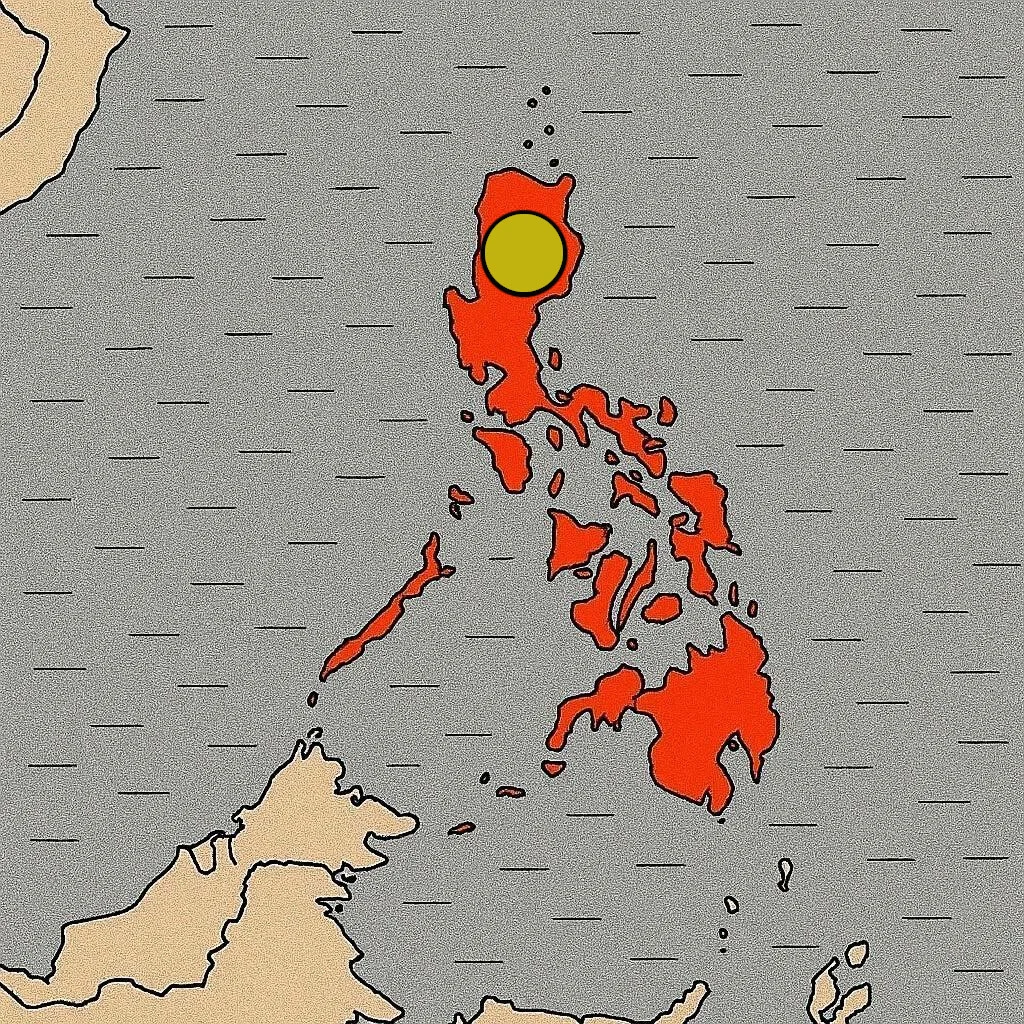
The Banaue Rice Terraces are located in the province of Ifugao, on the island of Luzon, in the north of the Philippines. They are one of the most famous places in the country and amaze all who visit them with their immense beauty.
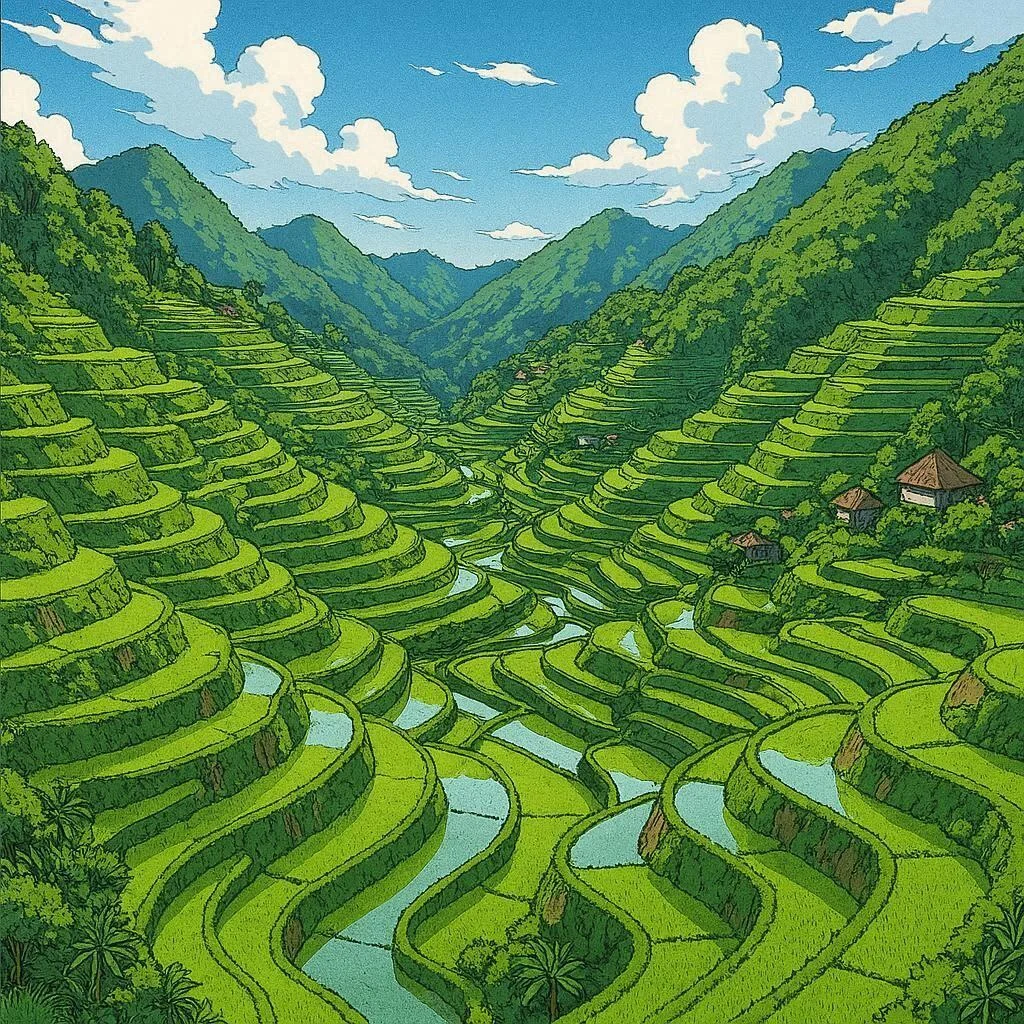
From a distance, the terraces look like large green stairways climbing up the mountains. However, each of those steps is a field where rice is grown. This landscape demonstrates how people were able to adapt nature to produce food.
A landscape built into the mountains
The Banaue region is surrounded by high mountains and tropical forests. Since the slopes are very steep, farming directly on them would be extremely difficult. For this reason, the ancient inhabitants decided to transform the slopes into terraces.
These terraces follow the natural shape of the mountains and extend for many kilometers. Thanks to this idea, they made use of almost all available land for planting rice.
Water reaches all the terraces
Rice needs a lot of water to grow. To solve this problem, the inhabitants of Banaue built a system of canals that brings water from the highest parts of the mountains down to each of the terraces.
Some canals were built with stone, and others using bamboo. The water flows down gradually thanks to gravity, passing from one field to another. This system has continued to work after many centuries and remains very useful for the farmers.
A history of more than 2,000 years
Experts believe that the terraces began to be built more than 2,000 years ago by the ancestors of the Ifugao people. They were not built in a short time; rather, each generation expanded and improved them.
All the work was done without modern machines. People used simple tools, a great deal of patience, and immense effort to move the earth and stones needed to form the steps.
The Ifugao people
The Ifugao people have lived in this region for thousands of years. For them, the terraces not only serve to grow rice but also form part of their history and culture.
Many of their traditions and celebrations are related to rice cultivation. Furthermore, the knowledge of how to build and care for the terraces has been passed down from parents to children for many generations.
An example of ingenuity
Building these terraces was a very difficult task. The ancient inhabitants had to learn how to make use of the mountainous terrain and control the water so that it reached all the crops.
Their work demonstrates great knowledge of agriculture and nature. Thanks to their ideas, they managed to create a system that continued to function for over two thousand years.
A landscape recognized worldwide
In 1995, UNESCO declared the Banaue Rice Terraces a World Heritage Site. This recognition is granted to places that have great value for all of humanity due to their historical, cultural, or natural importance.
The terraces were chosen because they show how people can adapt to a difficult environment using smart solutions while respecting the surrounding landscape.
A wonder of humanity
Many people consider Banaue to be one of the great wonders created by human beings. It is impressive not only for its size but also because it was built thousands of years ago and is still used for growing rice.
Engineers, farmers, and historians continue to study these terraces because they represent a magnificent example of how people can use natural resources efficiently.
A symbol of the Philippines
Today, the Banaue Rice Terraces are one of the most important symbols of the Philippines. Thousands of tourists travel each year to behold this unique landscape and learn about the culture of the Ifugao people.
After more than 2,000 years, these terraces continue to show that effort, patience, and teamwork can create extraordinary works. That is why Banaue is much more than a place where rice is grown: it is an example of the human capacity to adapt to nature and create one of the most impressive landscapes in the world.