
Son Doong Cave
Exploring the Majesty of Son Doong
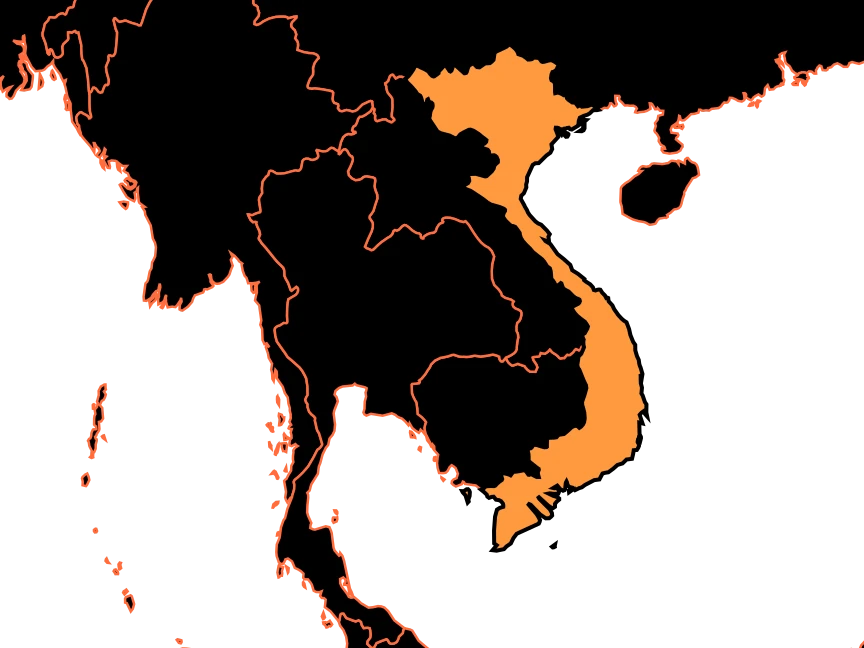
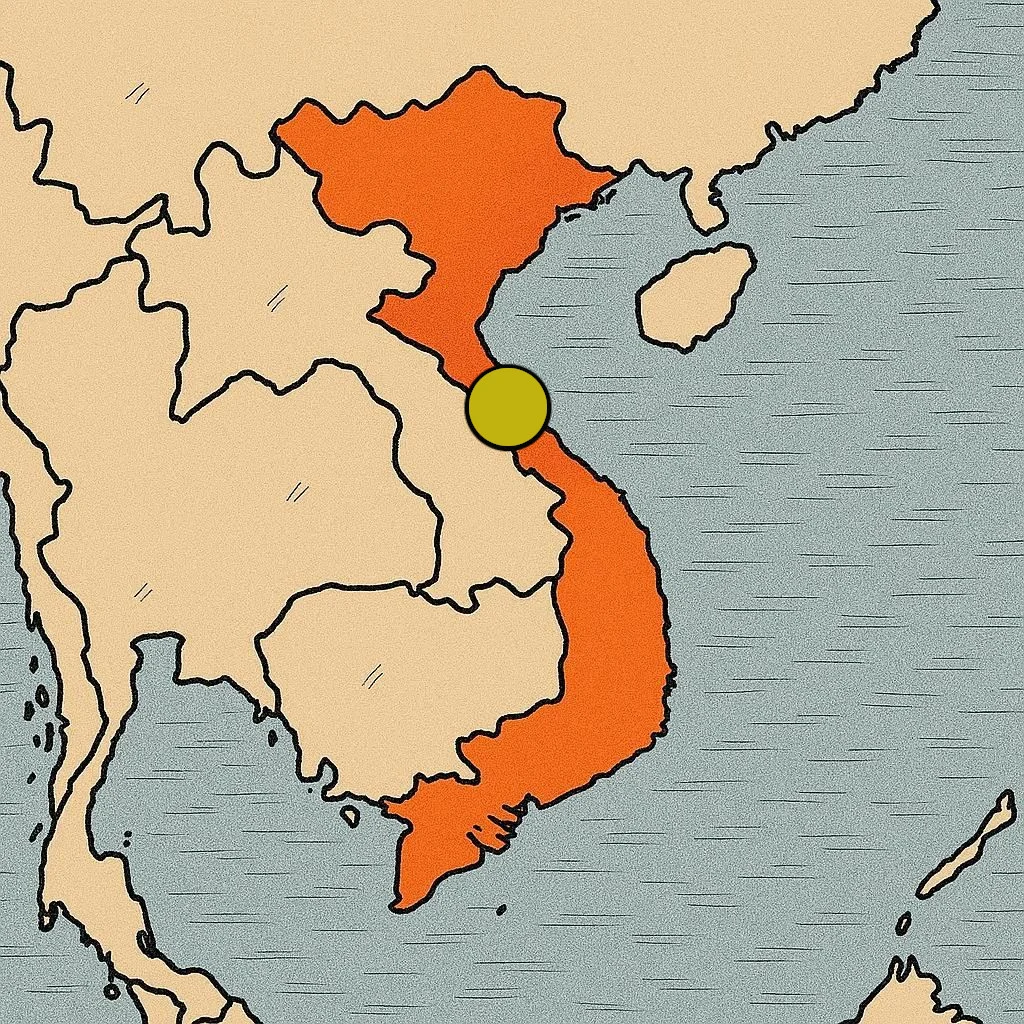
Son Doong Cave, located in Quang Binh Province in central Vietnam, is a natural wonder of epic proportions. Discovered in 1991 by a local named Ho Khanh and later explored by a team of British cavers in 2009, this underground cavity stands as the largest cave in the world. Its vastness and geological complexity make it a dream destination for adventurers and scientists alike, offering a glimpse into an intact underground ecosystem of unmatched beauty.
Geography and Features of Son Doong
Son Doong is located in the heart of Phong Nha-Ke Bang National Park, a protected area declared a UNESCO World Heritage Site for its exceptional karst geology. The cave is part of a system of more than 150 caves in the region, many of which remain unexplored. Its formation dates back approximately 2 to 5 million years, when underground river water eroded the limestone, creating vast tunnels and chambers.
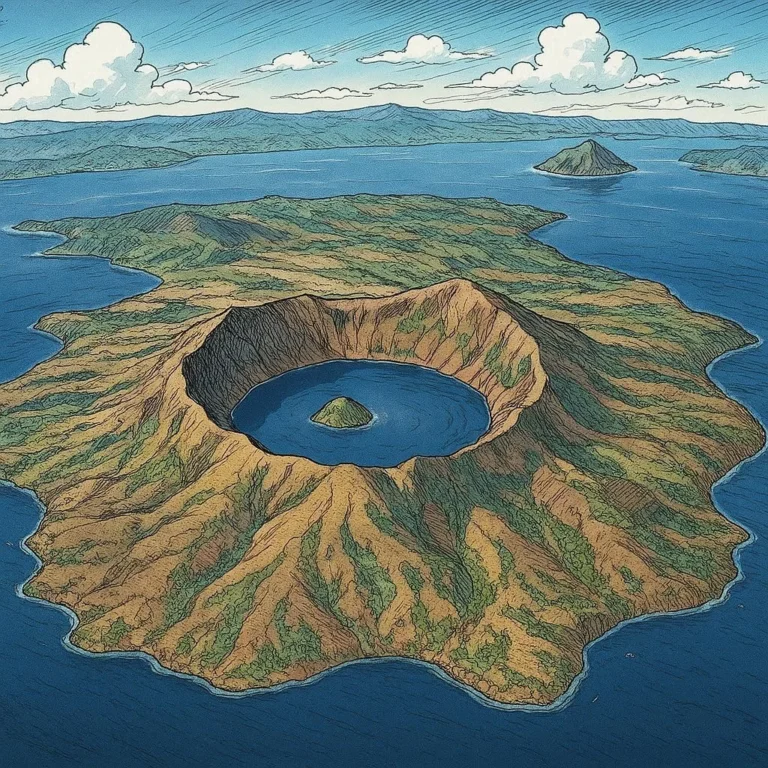
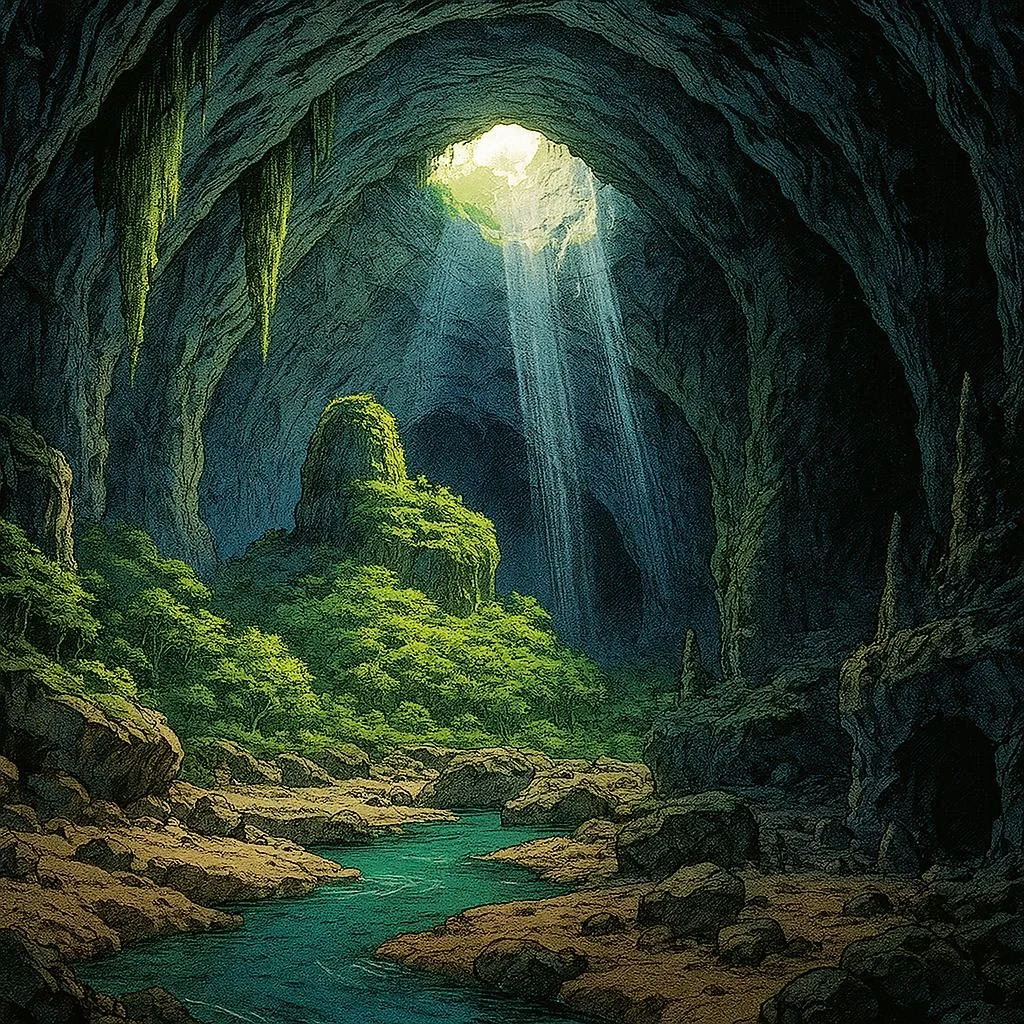
What sets Son Doong apart is its monumental scale. The most impressive feature of the cave is its sinkholes, enormous holes in the ceiling that allow sunlight to enter. These natural skylights illuminate parts of the cave, creating ethereal landscapes and allowing lush vegetation to grow on the floor. The largest sinkhole, known as “Watch Out For Dinosaur,” measures more than 200 meters high and 150 meters wide, comparable in size to a skyscraper.
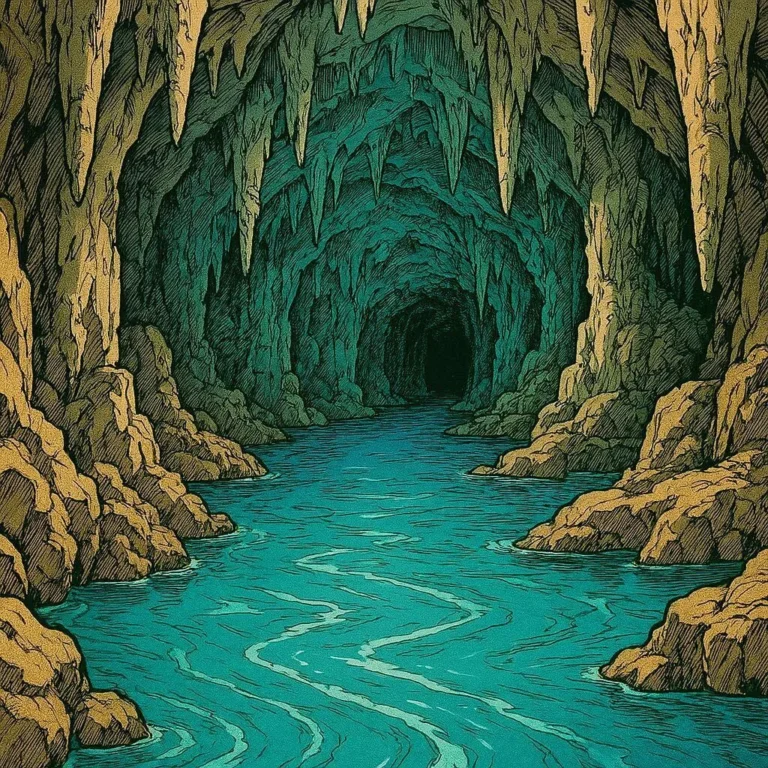
Inside the cave, we find spectacular geological formations. Colossal stalactites and stalagmites adorn the chambers, some reaching heights of up to 70 meters, the tallest ever recorded. The floor is covered with fine sand and sediment, and in some areas, underground rivers form and flow through the darkness. The cave is wide and high enough to fit a neighborhood of New York City, and even a Boeing 747 could fly through it without touching its walls.
An Otherworldly Landscape
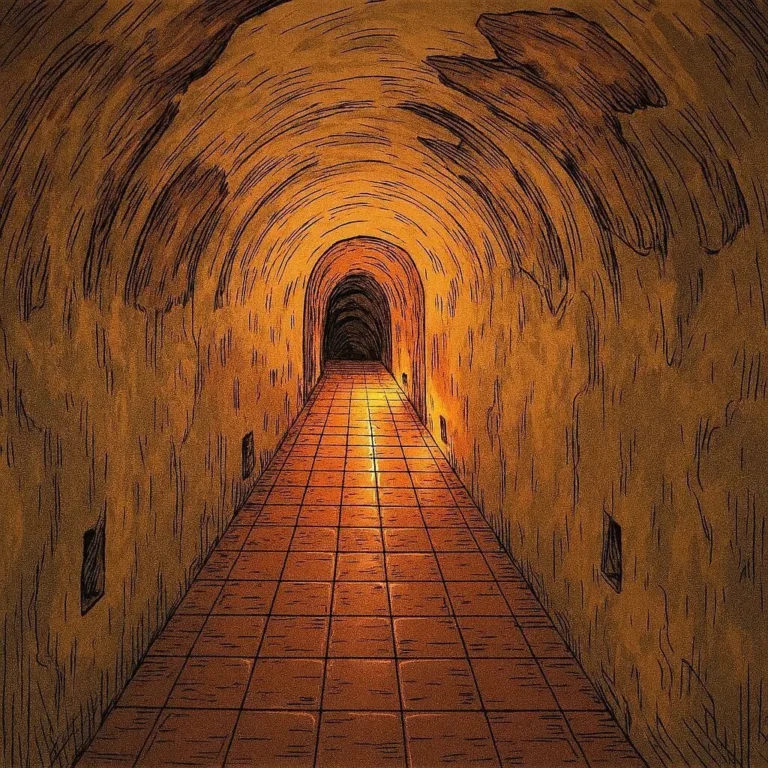
The combination of geographical and ecological factors gives Son Doong an atmosphere that evokes the feeling of being on a different planet. The cave entrance, through a crack in the side of a mountain, already hints at the transition to a different realm. As one goes deeper inside, sunlight gradually filters through the sinkholes, casting beams of light that illuminate an underground world of unimaginable proportions.
The sinkholes act as oases within the darkness, creating unique microclimates where plant life thrives. Enormous trees grow on the cave floor, their roots hanging downward as if exploring the abyss. The vegetation is so dense that it forms true underground jungles, creating a striking contrast with the surrounding rocks. The light that penetrates these areas illuminates the vegetation with a deep green hue, and the drops of water falling from the ceiling, acting like small waterfalls, add a mystical touch to the landscape.
The calcite formations, stalactites, and stalagmites, shaped over millennia, resemble alien sculptures, adding to the perception of a surreal environment. The echo of footsteps, the whisper of wind slipping through the cracks, and the sound of running water create a natural symphony that amplifies the sense of isolation and wonder. The scale of the chambers, the absence of human references, and the purity of the environment contribute to the feeling of having stumbled upon a corner of the universe hidden from civilization.
The humid atmosphere and the presence of developing life, from insects to plants, create a self-sustaining ecosystem that seems to have followed its own evolutionary course, separate from the outside world. Son Doong Cave is not only a geological wonder; it is a testament to the creative force of nature and a reminder of the secrets that still lie hidden in the depths of our planet, inviting us to contemplate the magnificence of the unknown and the beauty of a world that seems truly out of this world.