

Taal Volcano
Taal Volcano
The Philippines is full of stunning landscapes, but few are as special as Taal Volcano. This place is considered a natural treasure because it brings together a combination of volcanoes, lakes, and landscapes that is very difficult to find anywhere else in the world.
At first glance it looks like a huge lake surrounded by mountains. However, when you look more closely, you discover that there is an island in the middle of the lake. And the most surprising thing is that on that island stands a volcano that holds another lake inside its crater. It is as if nature had built a giant puzzle.
A very special landscape
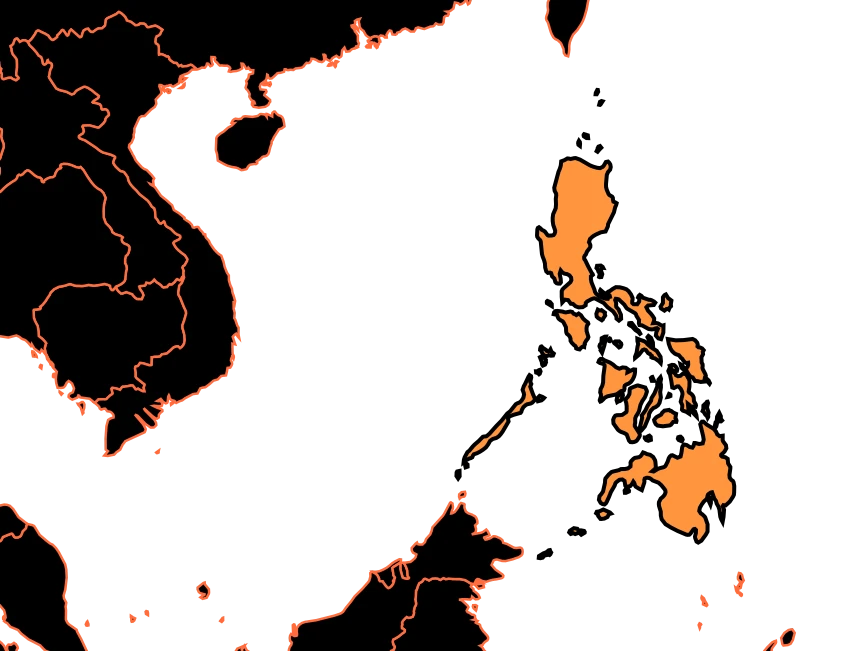
Taal Volcano is located in the province of Batangas, south of the island of Luzon. The whole area forms one of the most famous natural landscapes in the Philippines and attracts thousands of visitors every year.
The large lake that surrounds the volcano is called Lake Taal. It is the second largest lake in the country and covers a huge area. In the middle of its waters lies Taal Island, where the volcano rises.
The most curious feature appears when you reach the summit. Inside the main crater there is another lake, known as Crater Lake. This combination of a lake that contains an island and an island that contains another lake makes Taal truly extraordinary.
How it was formed
A very long time ago, a huge volcanic eruption completely changed this area. The explosion was so powerful that part of the ground sank, creating a large depression that, over time, filled with water. Thus Lake Taal was born.
Later, new eruptions gradually created the volcanic island that now occupies the center of the lake. Then, other explosions formed the large crater that can be seen today.
Thanks to all these changes, the landscape took on the curious shape that makes it so famous.
A volcano that is still active
Taal is not an extinct volcano. It is still an active volcano and, throughout history, has recorded numerous eruptions. Some have been small and others much more powerful.
The heat from the magma beneath the surface heats the crater water. Occasionally, steam builds up and can cause sudden explosions. That is why scientists constantly monitor the volcano’s activity to protect the people who live nearby.
Although it may seem dangerous, this activity also makes it possible to study how volcanoes work and how the Earth changes over time.
A home for many species
Lake Taal is not only notable for its beauty. It is also a very important place for nature, since its waters are home to animals that are not found anywhere else.
One of the best known is the Taal sábalo, a small fish that lives only in this lake. In addition, many waterfowl use this area to rest or find food during their travels.
On the volcanic island, plants adapted to terrain made up of ash and volcanic rocks also grow. All of this creates a very special ecosystem.
A natural laboratory
Taal Volcano arouses the interest of scientists from all over the world. Its unusual shape and volcanic activity allow them to study how volcanoes are born and how they evolve over the years.
It is also very interesting to observe the lake that occupies the crater. Its waters can change color depending on the volcano’s activity and the composition of the minerals they contain.
Thanks to these features, Taal has become a true outdoor natural laboratory.
A natural treasure of the Philippines
Taal Volcano receives the category of natural treasure because it brings together in one place a unique geography, a great wealth of animals and plants, and one of the most stunning landscapes in the Philippines.
Its enormous lake, the volcanic island, and the lake hidden within the crater form a combination that very few places on the planet can offer. Furthermore, its constant activity reminds us that the Earth is still changing and creating new landscapes.
For all these reasons, Taal Volcano is much more than just a volcano. It is one of the great natural treasures of the Philippines and a place that helps us understand the incredible power and beauty of nature.