
Pioneering vote
The country that opened the polls to women
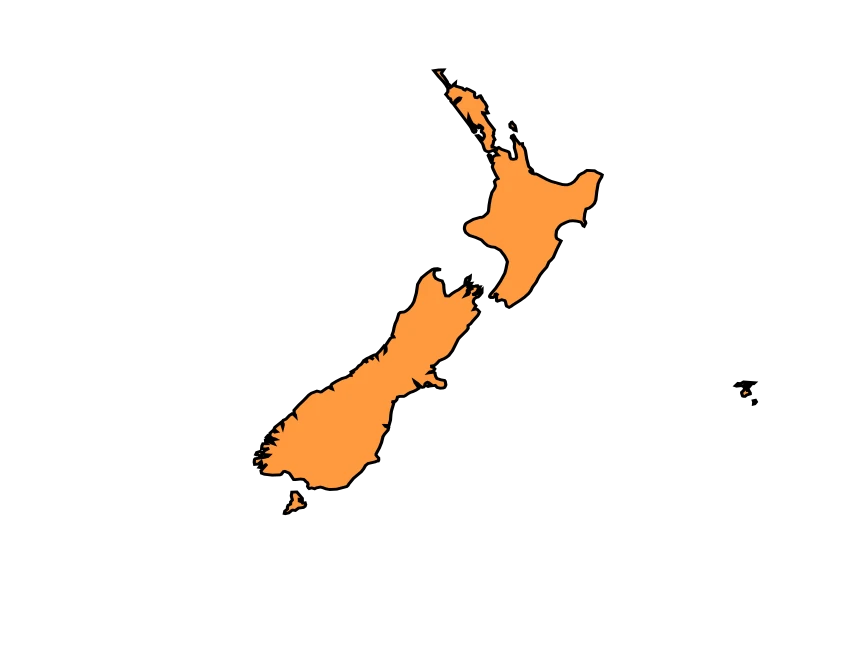
In 1893, something happened that changed the history of democracy. In New Zealand, women won the right to vote in national elections. It was the first self-governing country in the world to recognize women’s suffrage at the national level.
It was not a gift from the rulers. It was the result of years of campaigning, meetings, speeches, and enormous petitions signed by thousands of women.
Kate Sheppard and a revolutionary idea
One of the most important figures in that story was Kate Sheppard, an activist who became the leading figure of the women’s suffrage movement in New Zealand.
Sheppard and other women defended an idea that today may seem obvious to us: if women were part of society, worked, paid taxes, and obeyed the laws, they should also be able to participate in political decisions. But at that time, women could not vote in national elections. The law had to be changed.
Thousands of signatures
The movement managed to gather enormous petitions to prove that this was not a small protest.
In 1893, a petition for women’s suffrage reached Parliament with more than 30,000 signatures. It was a gigantic document for the time and showed that thousands of women wanted to participate in the political life of the country. Supporters of suffrage had to face those who thought women should not vote. But the campaign continued.
A law that changed history
Finally, Parliament passed the Electoral Act of 1893. The governor signed it into law on September 19 of that year. For the first time, New Zealand women were able to vote in a national election.
When the November elections arrived, about 109,000 women were registered to vote, and many turned out at the polls. New Zealand had just become a world pioneer.
The example that traveled the planet
The news had an impact far beyond the islands. Other suffrage movements observed what had happened in New Zealand and used its example to show that allowing women to vote was possible. Over the following decades, more and more countries expanded women’s right to vote.
Change did not happen at the same time everywhere, and in many places women had to keep fighting for years. But New Zealand had shown that a society could change its laws.
A world champion
New Zealand belongs to the World champion category because in 1893 it became the first self-governing country in the world to recognize women’s suffrage at the national level.
The story of Kate Sheppard and the thousands of women who signed those petitions shows that maps do not only change when territories are conquered or new borders are drawn. Sometimes something much more important changes: who has the right to participate in a country’s decisions.
And that time, the change began on a group of islands located at the edge of the world.