
Angel Falls
The World’s Tallest Waterfall: A Cascade So Enormous It Seems to Vanish Among the Clouds
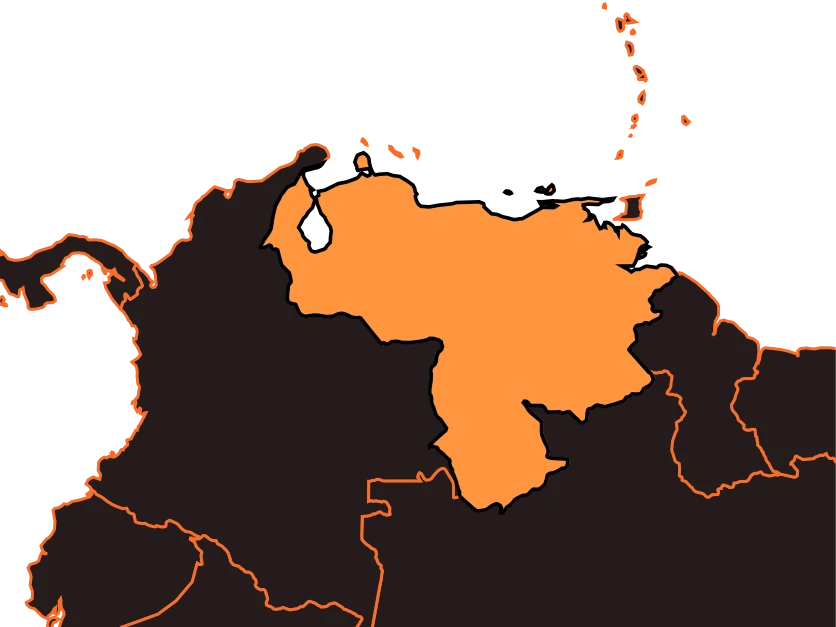
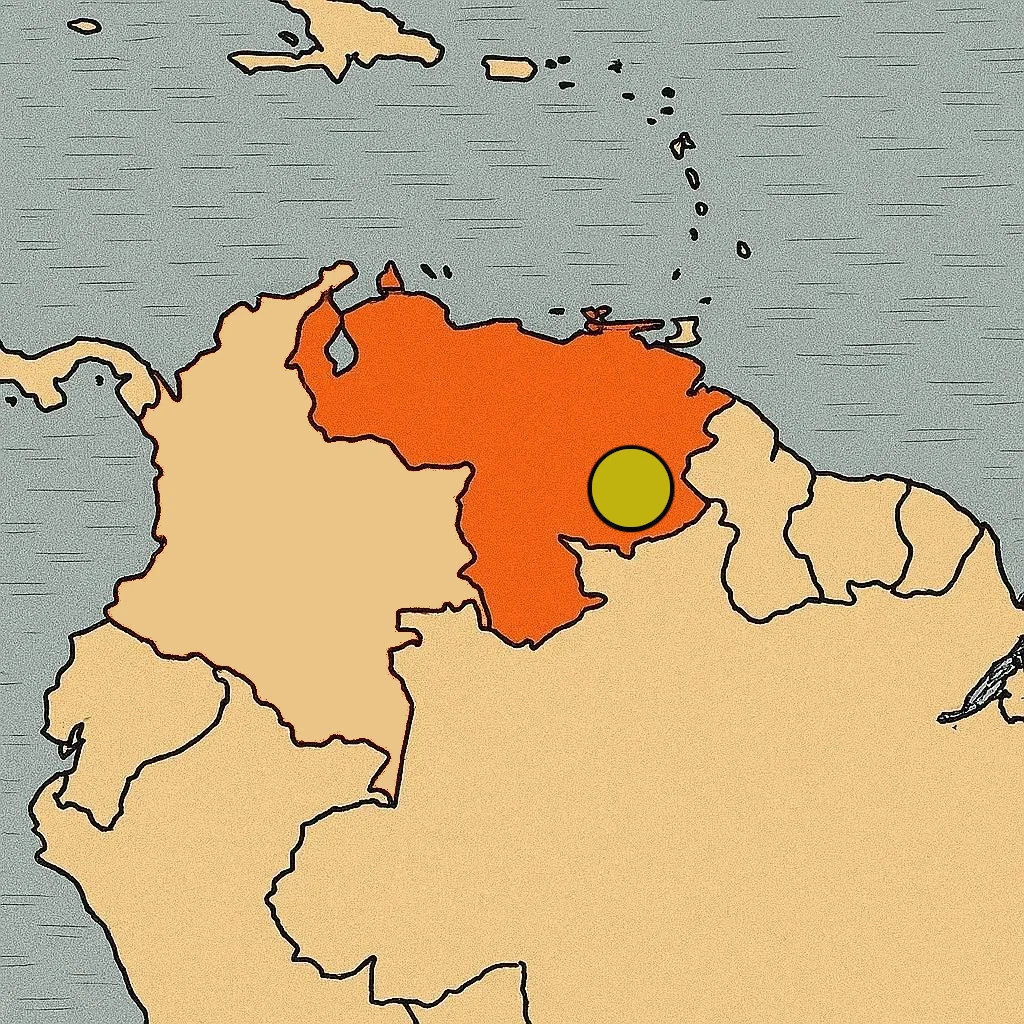
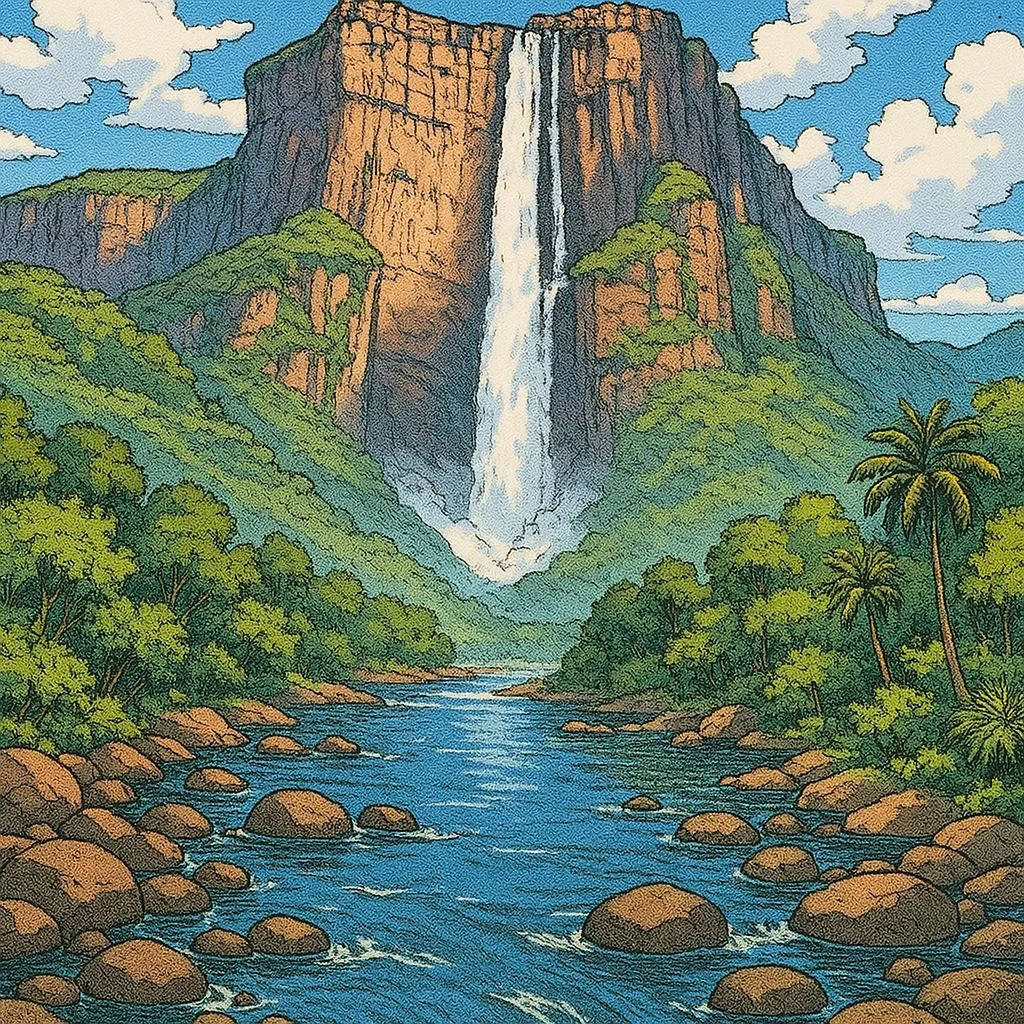
Deep in the Venezuelan jungle, there is a waterfall that seems to come from another planet. The water plunges from the top of a stone mountain and falls for nearly a kilometer before reaching the ground.
This is Angel Falls, the tallest waterfall in the world.
A Drop of Nearly a Kilometer
Angel Falls is located in Canaima National Park, on Auyán-tepui, one of the enormous flat-topped plateaus characteristic of this region. The waterfall has a total height of 979 meters, with a free fall of about 807 meters. To picture it, think of a building with some 300 floors. Now imagine that, instead of windows, an entire river cascades from its top.
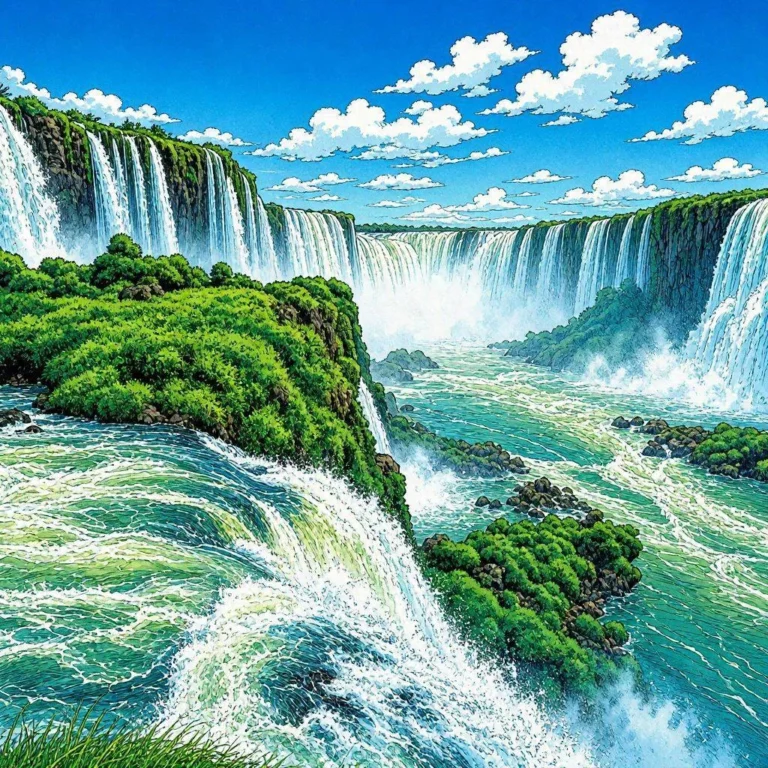
The water begins its descent from the edge of the tepui and becomes a long curtain that cuts through the air. During the fall, part of the water disperses into tiny droplets, forming a kind of mist around the waterfall.
A Very Different Mountain
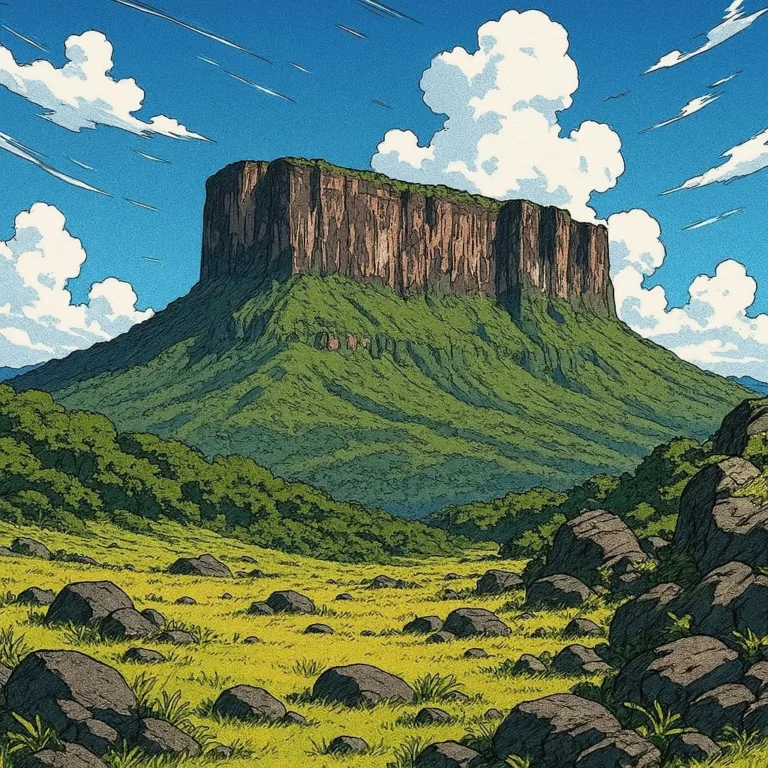
Angel Falls does not tumble from just any mountain. Auyán-tepui is a tepuy, a gigantic rock formation with nearly vertical walls and a relatively flat summit. These mountains are among the oldest geological structures on Earth.
Over millions of years, erosion wore away the rock, carving deep ravines and cliffs. In this landscape, the water eventually found a path from the top of the tepui down to the lowlands. That is why the waterfall and the mountain are intimately connected: the falls are the result of a combination of water, rock, and an immense amount of time.
The River That Plunges from the Heights
The water of Angel Falls comes from the Churún River, which flows across the Auyán-tepui plateau. Rain falls frequently on the summits of these mountains. The water accumulates, runs over the rocky surface, and eventually reaches the edge of the tepui. Then something spectacular happens. Instead of continuing across the plateau, the water meets the void and begins its nearly kilometer-long fall.
Why Is It Called Angel Falls?
The name is linked to the American aviator Jimmie Angel, who flew over the area during the first half of the 20th century and landed his small plane on top of Auyán-tepui in 1937.
However, the indigenous peoples of the region had known the waterfall long before that. In Pemón tradition, it is known as Kerepakupai Vená, a name that roughly means “waterfall of the deepest place.” The waterfall, therefore, had a history much older than the arrival of foreign explorers and aviators.
A World Champion That Is Hard to Imagine
Angel Falls does not need to be the widest or have the greatest flow to become a champion. Its record lies elsewhere: the height. At 979 meters, it is the tallest waterfall on the planet recognized for its total height.
And when the water disappears into the mist after traveling hundreds of meters through the air, it becomes easy to understand why this place seems impossible. Angel Falls is a world champion that doesn’t need to run: it simply drops water from nearly a kilometer high.