
Meet: Rayo de la Muerte
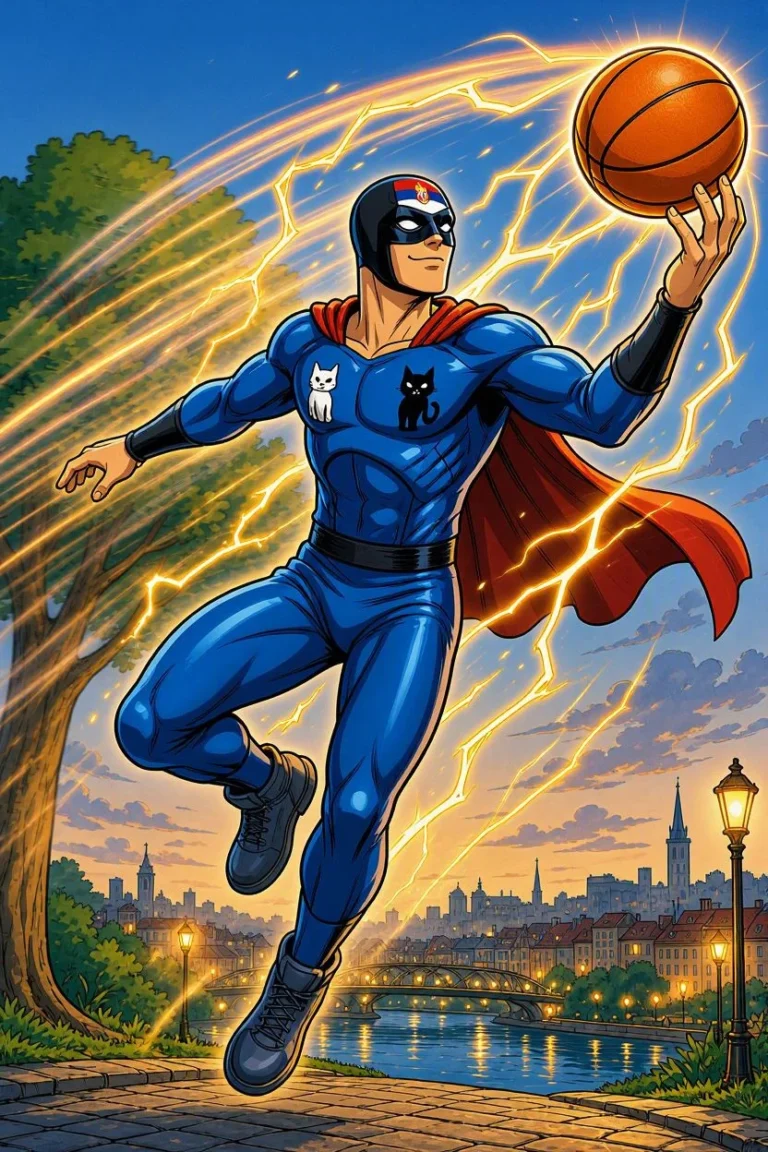
That’s how Serbia would be if it was a superhero:
Rayo de la Muerte
Population:
6.641.964,00 inhab
Pop. Growth:
-7,21 %
Area:
87.460,00 km2
Density:
76,00 hab/km2
Wealth:
15.262,04 $/person
Literacy:
99,34 %
Largest city:
Belgrade - 1,121,410 inhab
Urban population:
74,20 %
Life expectancy:
77,33 years
Average age:
44,70 years
Highest peak:
Midžor - 2,169 m
Largest river:
Morava - 564 km
Rainfall:
673,00 mm/m2
What are the defining characteristics of Serbia?
The country of Rayo de la Muerte
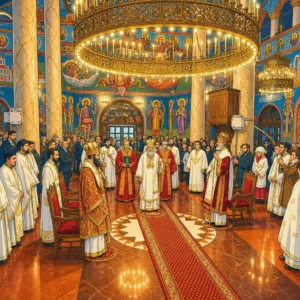
Orthodoxy
Serbian Orthodoxy is more than just a religion: it represents cultural identity, monasteries, traditions, a religious calendar, and centuries of history that have profoundly shaped Serbian society.
Culture
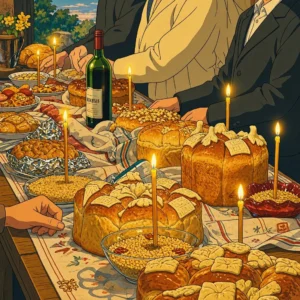
Slava
The Slava is a traditional Serbian family celebration honoring each family's patron saint, combining Orthodox faith, family heritage, hospitality, and customs passed down through generations.
Culture
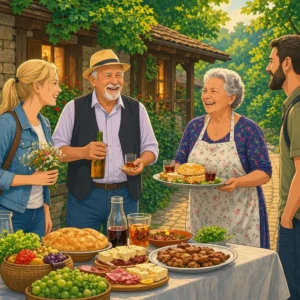
Hospitality and Family
Family, friendship, and hospitality hold a central place in Serbian social life, characterized by close bonds, long gatherings, lively conversations, and a strong generosity toward others.
Culture
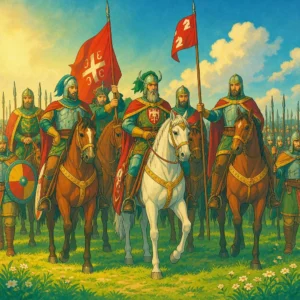
The Kosovo Myth
The Kosovo myth is a historical and symbolic narrative centered on the 1389 battle, deeply embedded in the memory, literature, and construction of Serbia's national identity.
History
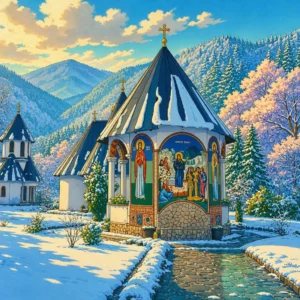
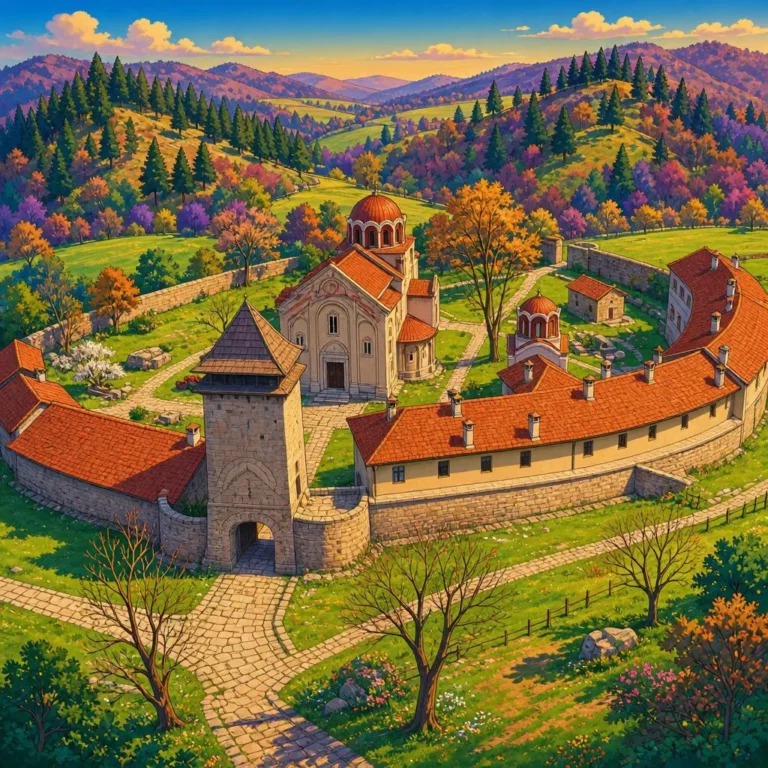
Medieval Serbia
Medieval Serbia, especially under the Nemanjić dynasty, developed the Serbian state and consolidated Orthodoxy, leaving behind monasteries, churches, and a powerful historical and cultural legacy.
History
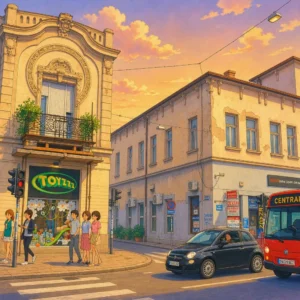
Between East and West
Serbia is historically situated between Central Europe, the Balkans, and the former Ottoman world, creating a cultural identity marked by both Eastern and Western influences.
Culture
Serbia: featured
The file of Rayo de la Muerte tells us...
Serbia
Official language(s): Serbian, Albanian, Croatian, Slovak, Hungarian, English, Romanian, and Rusyn
Currency: Serbian Dinar
Government: Parliamentary republic
Main religion: Eastern Orthodoxy
Demonym: Serbian
Belgrade
Hab. 1,121,410
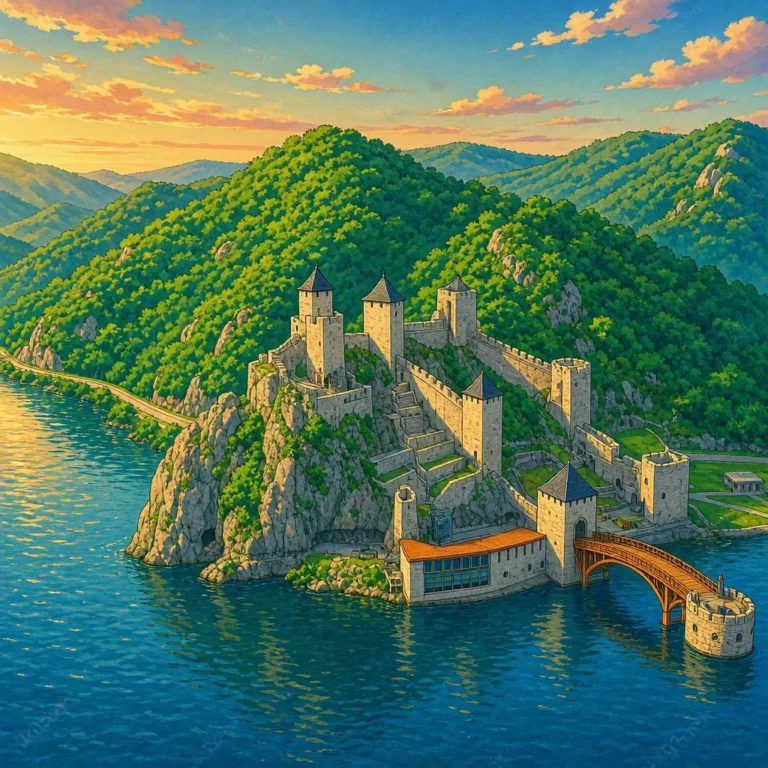
Belgrade is the capital of Serbia and is located in an exceptional geographical spot: the confluence of the Danube and Sava rivers. Its fortress overlooks both waterways and serves as a reminder of the city's strategic importance for centuries. Romans, Byzantines, Ottomans, and Austrians have all left their mark. Today, it is the country's main political, cultural, and economic center.
Novi Sad
Hab. 262,324
Novi Sad is Serbia's second-largest city and the main hub of the Vojvodina plain. It stretches along the Danube, opposite the Petrovaradin Fortress, which is built on a hill. Its architecture reflects Central European influences, and its vibrant university and cultural scene stand out. It is also a gateway to the flat, agricultural landscape of northern Serbia.
Nis
Hab. 199,431
Niš is one of Serbia's oldest cities and an important center in the south of the country. Its location along a natural route between Central Europe and the Balkans gave it great historical importance. The Roman Emperor Constantine the Great was born here. The Niš Fortress and other Roman ruins bear witness to its long past as a strategic and multicultural city.
Mokra Gora
Hab. 393
Mokra Gora is a small mountain village located in western Serbia, nestled between the landscapes of Tara and Zlatibor. It is famous for the Šargan Eight, a historic narrow-gauge railway that crosses the mountains via a spectacular zigzag route. Nearby lies Drvengrad, a traditional wooden village built by film director Emir Kusturica.
Danube and Sava River Basin
The Danube and Sava rivers form one of Serbia's great geographical axes. Both rivers flow through the northern part of the country and meet in Belgrade, connecting Serbia to a massive European river network. Their valleys have historically favored trade, agriculture, communications, and urban growth, making the rivers fundamental elements of Serbian geography.
Vojvodina Plain
Vojvodina occupies northern Serbia and is part of the great Pannonian Plain. Its landscape, almost entirely flat, contrasts with the mountains of the country's central and southern regions. Fertile soils and large rivers support a thriving agricultural activity. The region is also known for its cultural diversity, featuring numerous communities and traditions originating from Central Europe.
Southern Mountains
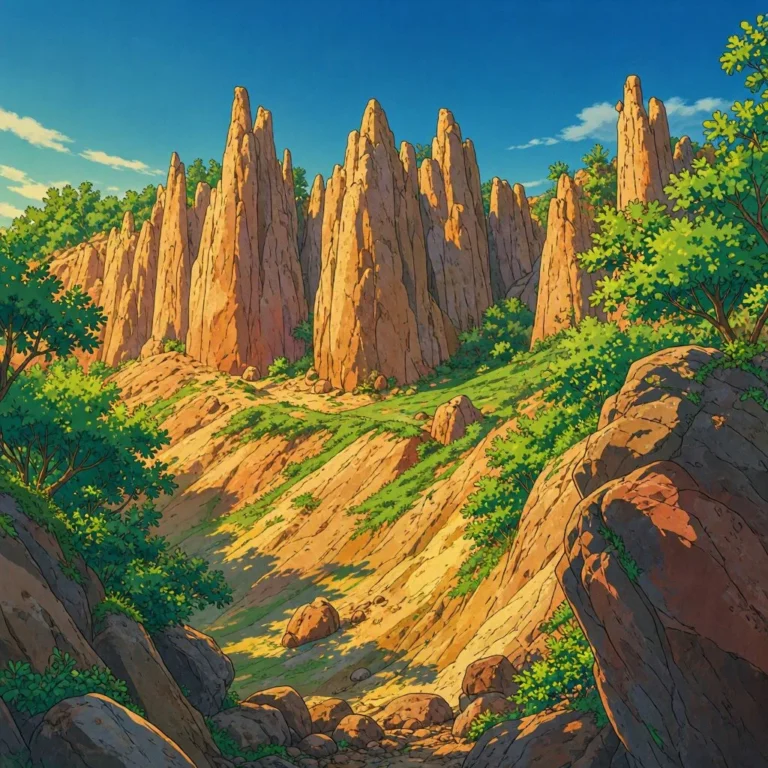
The mountains of central and southern Serbia form a landscape of forests, valleys, gorges, and peaks that contrasts with the Vojvodina plain. These mountain systems extend toward the Balkans and other regions of the peninsula. This mountainous part of Serbia preserves important natural areas and small rural communities, offering some of the most spectacular landscapes in the country.
Neighbouring countries
Superheroes who help each other
Romania
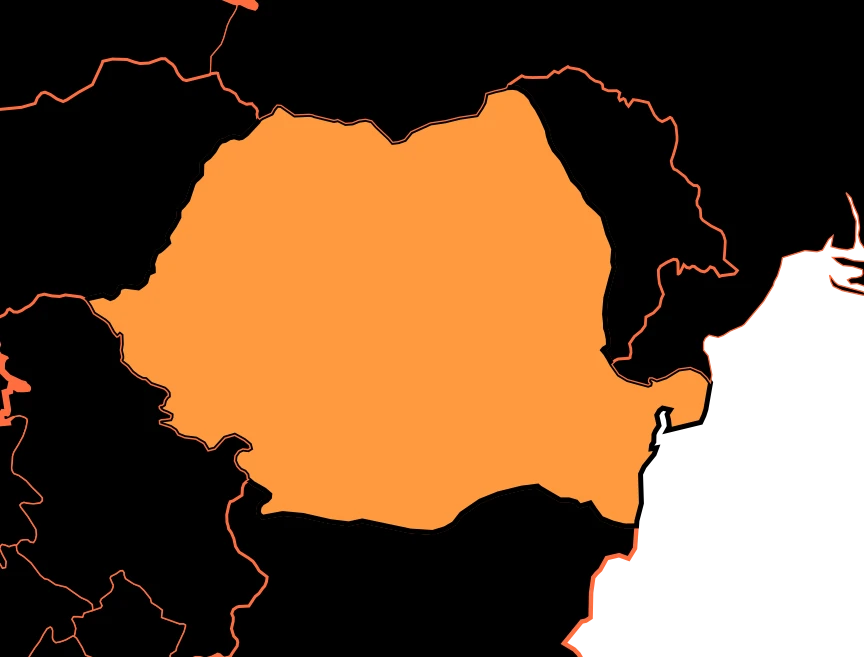

Continent:
Europe
Hungary
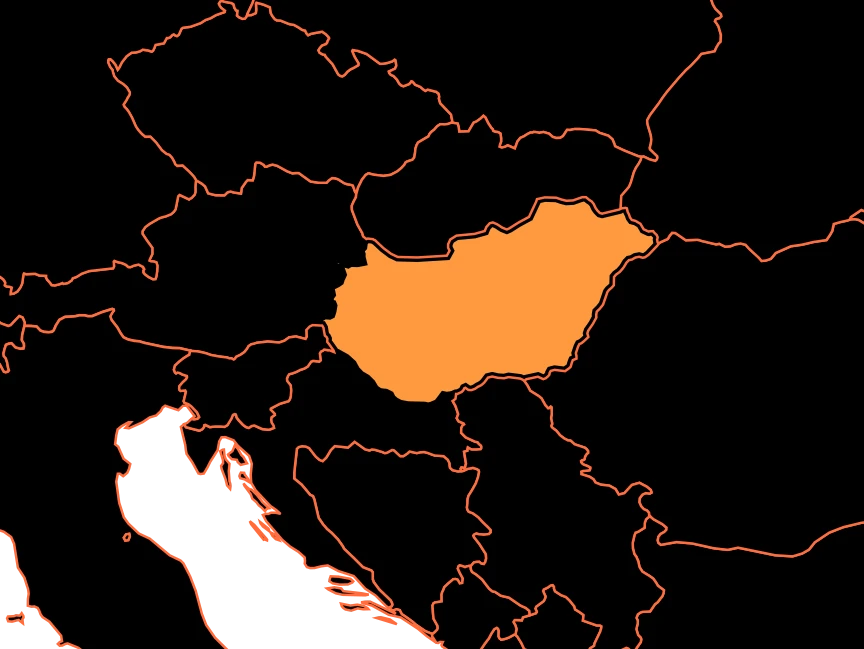

Continent:
Europe
We haven’t studied these countries yet: Bosnia and Herzegovina, Bulgaria, Croatia, Montenegro and North Macedonia.
Come back in a few weeks and they might already be here.
SuperGeoKid focuses on UN Member States, so there is no entry for: Kosovo. This does not imply any position on its status.
Superhero stories
Interesting facts about Serbia


To take away
Would you like a hard copy?
One Serbia worksheet, ready to print. You print it, curiosity does the rest.