
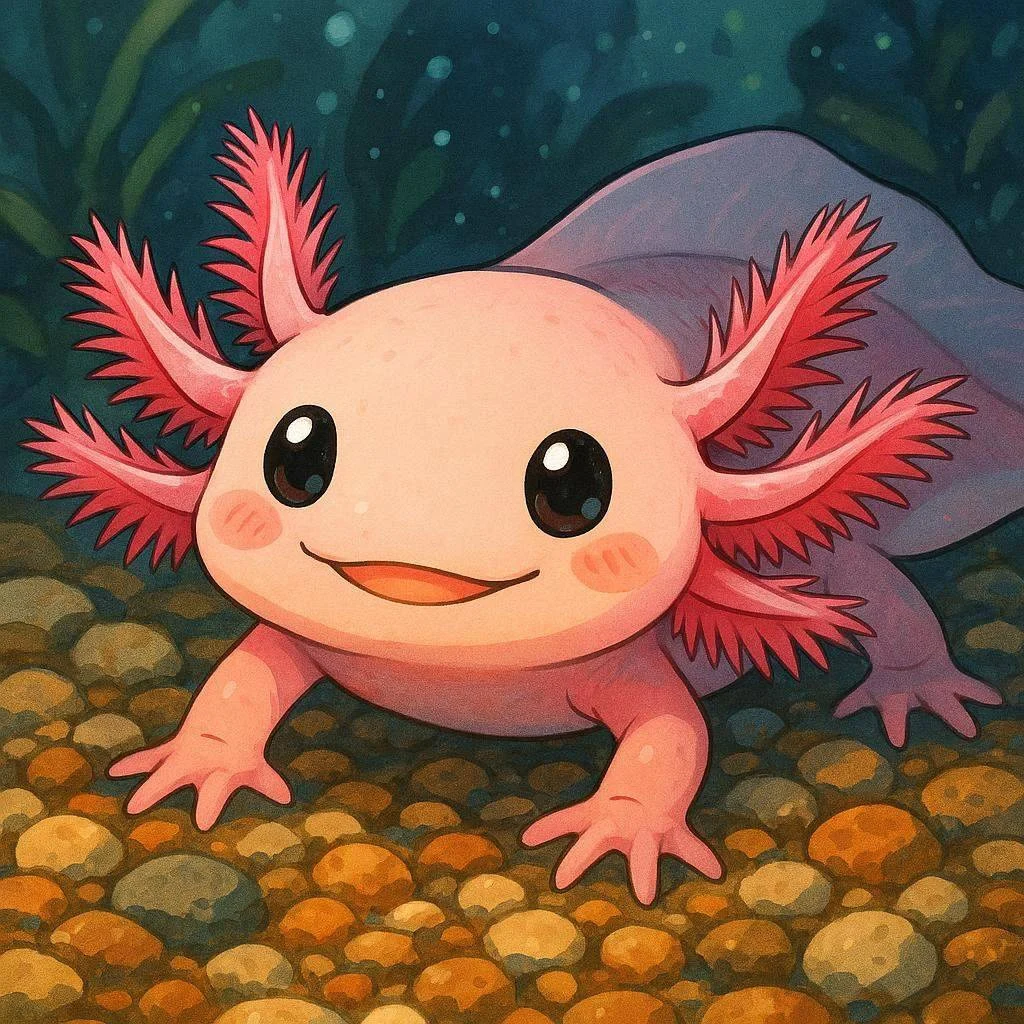
Axolotl
The animal that never wanted to grow up
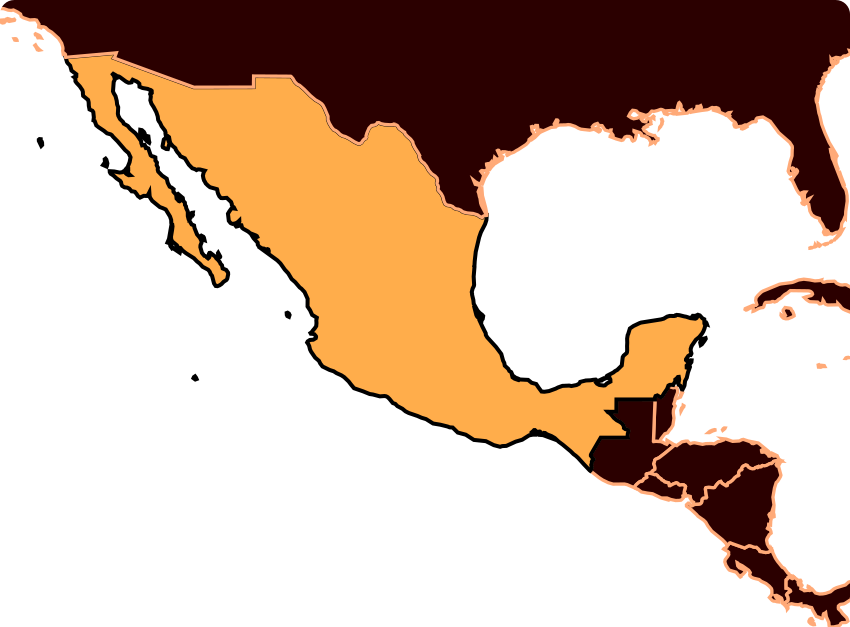
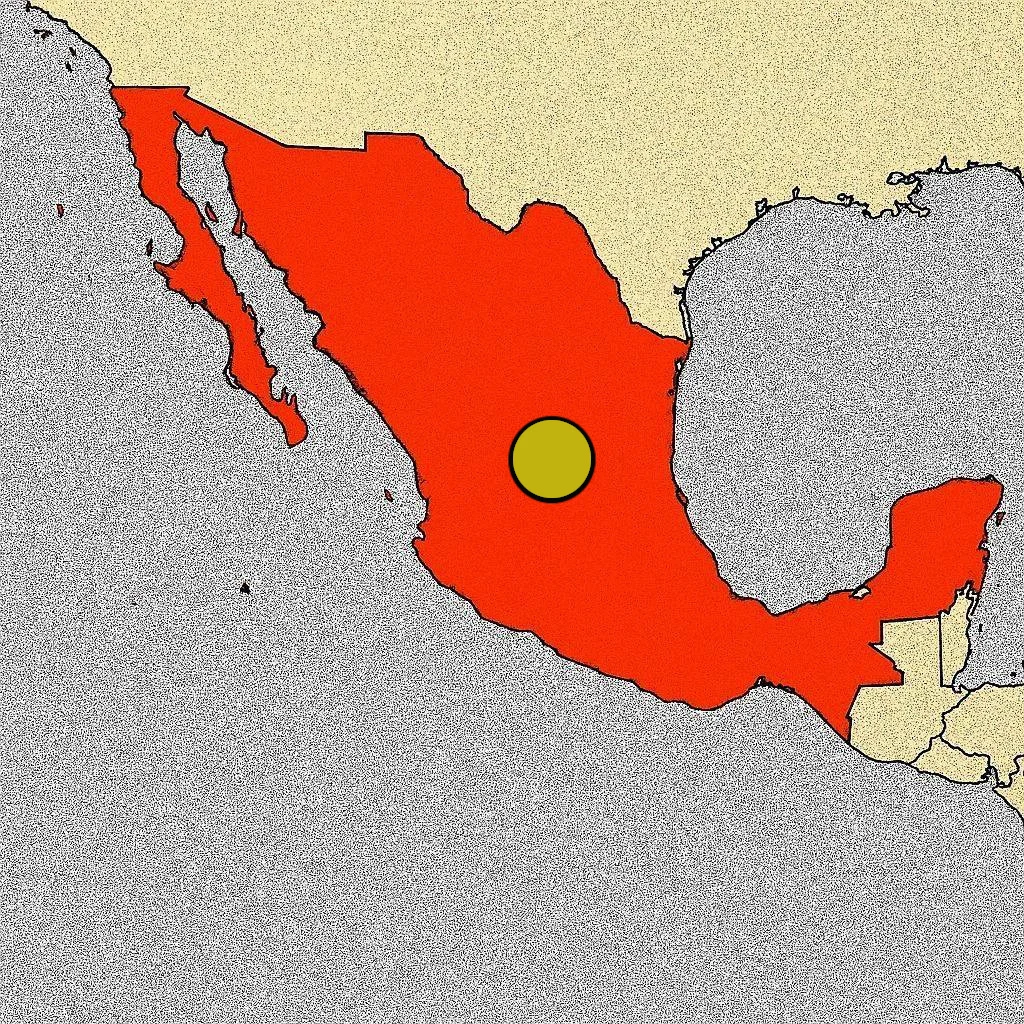
The axolotl is one of the most surprising animals on the planet. It lives almost exclusively in the canals of Xochimilco, south of Mexico City, and possesses an ability that seems straight out of a science fiction movie. It can regenerate legs, tail, and even parts of some organs if it loses them. Furthermore, it retains juvenile characteristics throughout its life, something very uncommon among amphibians. For all these reasons, the axolotl is one of Mexico’s great natural treasures.
A unique inhabitant of the canals
Many centuries ago, the Valley of Mexico was covered by large lakes. Thousands of axolotls lived in those waters. Over time, most of the lakes disappeared as the city grew, and today the axolotl only survives naturally in some canals of Xochimilco.
This curious animal typically measures between 20 and 30 centimeters. It has smooth skin, a tail that helps it swim, and striking external gills that look like small feathers on the sides of its head. Thanks to them, it can obtain oxygen directly from the water.
The animal that never becomes an adult
Most amphibians undergo a transformation called metamorphosis. Tadpoles, for example, end up turning into frogs. The axolotl is different. Although it can reproduce, it retains its larval appearance throughout its life and continues living underwater.
This characteristic has caught the attention of scientists for many years. It is one of the few known animals that always remains in this developmental stage, making it a truly extraordinary species.
A real superpower
What has made the axolotl famous around the world is its incredible ability to regenerate. If it loses a leg, it can grow it back completely. It can also regenerate parts of its tail, skin, some bones, and even areas of its heart or brain without leaving significant scars.
Researchers have been studying this phenomenon for decades. Understanding how it achieves this could one day help develop new treatments to heal injuries in humans. Therefore, the axolotl is not only important to nature, but also to science.
A very special animal for Mexico
The axolotl is also part of Mexican history and culture. Its name comes from the Náhuatl language and is related to Xolotl, a god from Mexica mythology. According to legend, this god transformed into an axolotl to hide and avoid being sacrificed.
Over the centuries, the axolotl has become one of Mexico’s most well-known animals. It appears in stories, illustrations, toys, and even on some banknotes, becoming a symbol of the country’s natural wealth.
A treasure that needs help
Although the axolotl is famous around the world, very few remain in the wild. Water pollution, urban growth, and the arrival of invasive species have greatly reduced its population. Today, it is considered a critically endangered species.
Fortunately, many people are working to protect the canals where it lives and to raise axolotls in safe places. Every individual that survives helps conserve a unique species that does not exist naturally anywhere else on the planet.
The axolotl demonstrates that some of the greatest natural treasures are not the largest or the strongest. This small amphibian has amazed scientists and travelers alike thanks to its extraordinary abilities and its history. It is a reminder that nature still holds incredible secrets and that protecting them is a way to conserve some of the most astonishing animals on Earth.