
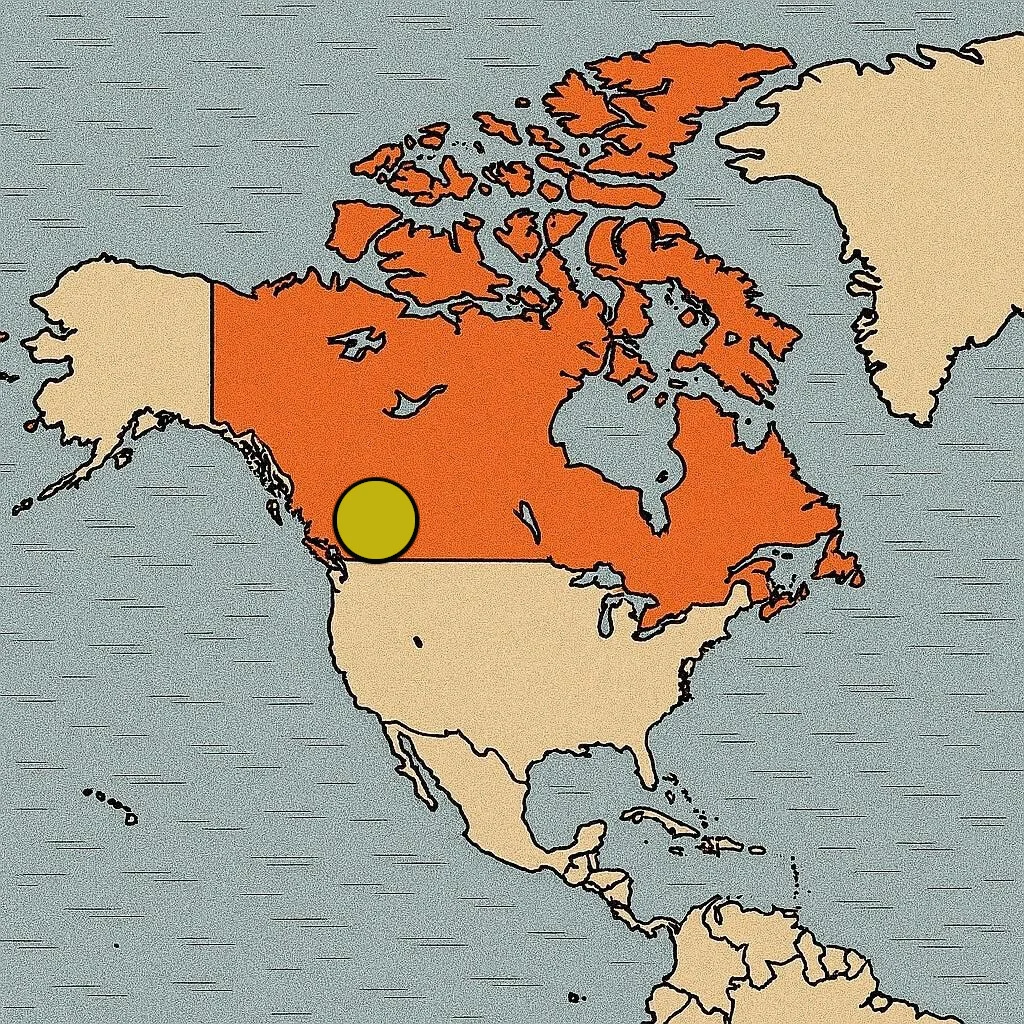

Drumheller
The place where the landscape uncovers dinosaurs
Imagine walking through a landscape of ravines, bare hills, and colorful rocks. It doesn’t look like a Canadian forest. Nor does it seem like the place where you would expect to find dinosaurs. But beneath those rocks lies one of the greatest paleontological treasures on the planet.
Around Drumheller, in Alberta, erosion has been gradually removing the layers of rock that covered the remains of animals that lived there millions of years ago. That’s why this place has a perfect nickname: the landscape that uncovers dinosaurs.
A strange landscape
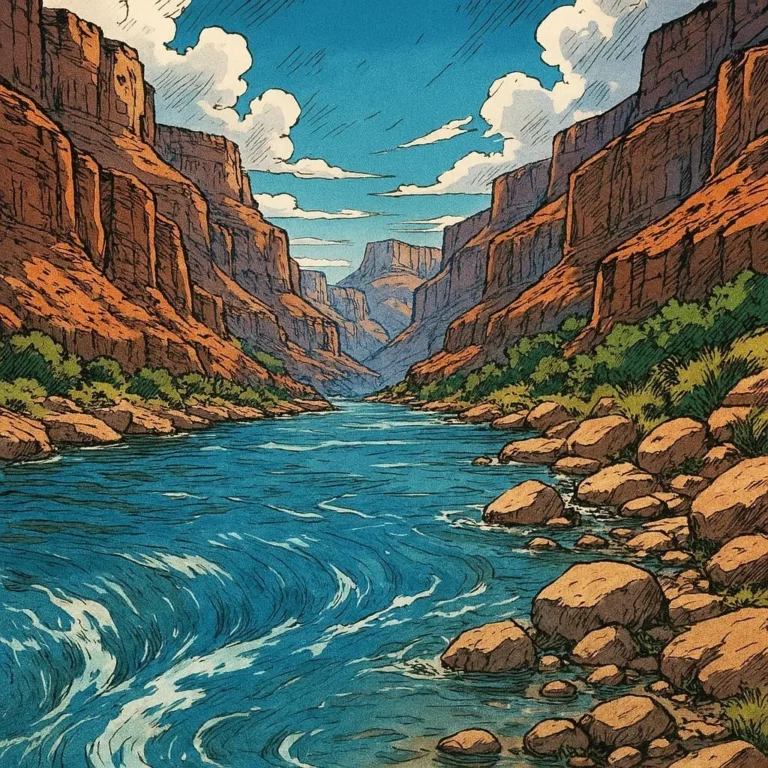
The Alberta Badlands look like a world from another time. The terrain is made up of ravines, canyons, rock walls, and small hills known as hoodoos.
But why does it look this way? The answer lies in erosion. Over millions of years, water, wind, ice, and temperature changes have been wearing away the rocks. The softer layers disappear more quickly, while the more resistant ones last longer. That is how the irregular reliefs we see today were formed.
And there is something even more interesting. As the rocks erode, the fossils buried inside them are also exposed.
A dinosaur graveyard
About 75 million years ago, this region was very different. The climate was warmer, and the landscape was covered by forests, rivers, and plains where enormous dinosaurs lived. Animals such as Tyrannosaurus rex, Albertosaurus, Centrosaurus, and many other dinosaurs walked there.
When some of them died, their remains could be buried by sediment. Over time, those bones became trapped inside the rocks. Millions of years later, erosion began to reveal their secrets.
When a mountain disappears
Searching for fossils here has something fascinating about it. Scientists don’t always have to dig deep to find bones. Sometimes, just observing a slope is enough. A small bone fragment may stick out from the rock. And that small fragment can be the clue that leads to a complete skeleton.
It’s as if the landscape were sending out signals. Every time erosion removes a bit of rock, a new piece of the past may appear.
One of the great dinosaur sites
The Alberta region is one of the most important places in the world for studying dinosaurs. Extraordinary quantities of fossils have been found in its rocks, including species new to science.
One of the most famous places is Dinosaur Provincial Park, east of Drumheller, where thousands of fossils have been discovered. The quantity and variety of remains found allow scientists to reconstruct what this ecosystem looked like millions of years ago.
The museum where dinosaurs come to life
In Drumheller you will find the Royal Tyrrell Museum, one of the world’s great paleontology museums.
Its collection contains an enormous number of dinosaur fossils and skeletons. But the museum doesn’t just show bones. Scientists study these fossils to try to answer questions. How did they walk? What did they eat? How did they grow? Why did they disappear?
Each bone can provide a small clue about a world that disappeared millions of years ago.
A journey to the past
Visiting the Badlands is like walking through the pages of a giant book. The pages are the layers of rock. The chapters are the different geological eras. And the fossils are the clues that allow us to reconstruct what happened.
The extraordinary thing is that this book is not completely buried. Erosion is opening it up right before our eyes.
Natural treasure
Drumheller and the Badlands belong to the Natural treasure category because they combine a spectacular landscape with one of the great scientific treasures of our planet.
Here, rocks are not simply rocks. Hidden inside them are the remains of animals that walked the Earth long before human beings existed. And as the wind and water continue to slowly erode the landscape, perhaps they are uncovering the next great discovery.
In Drumheller, to find a dinosaur, sometimes you just have to wait for the mountain to reveal a little more of its secret.