

Mexico City
The Great City Built on a Lake
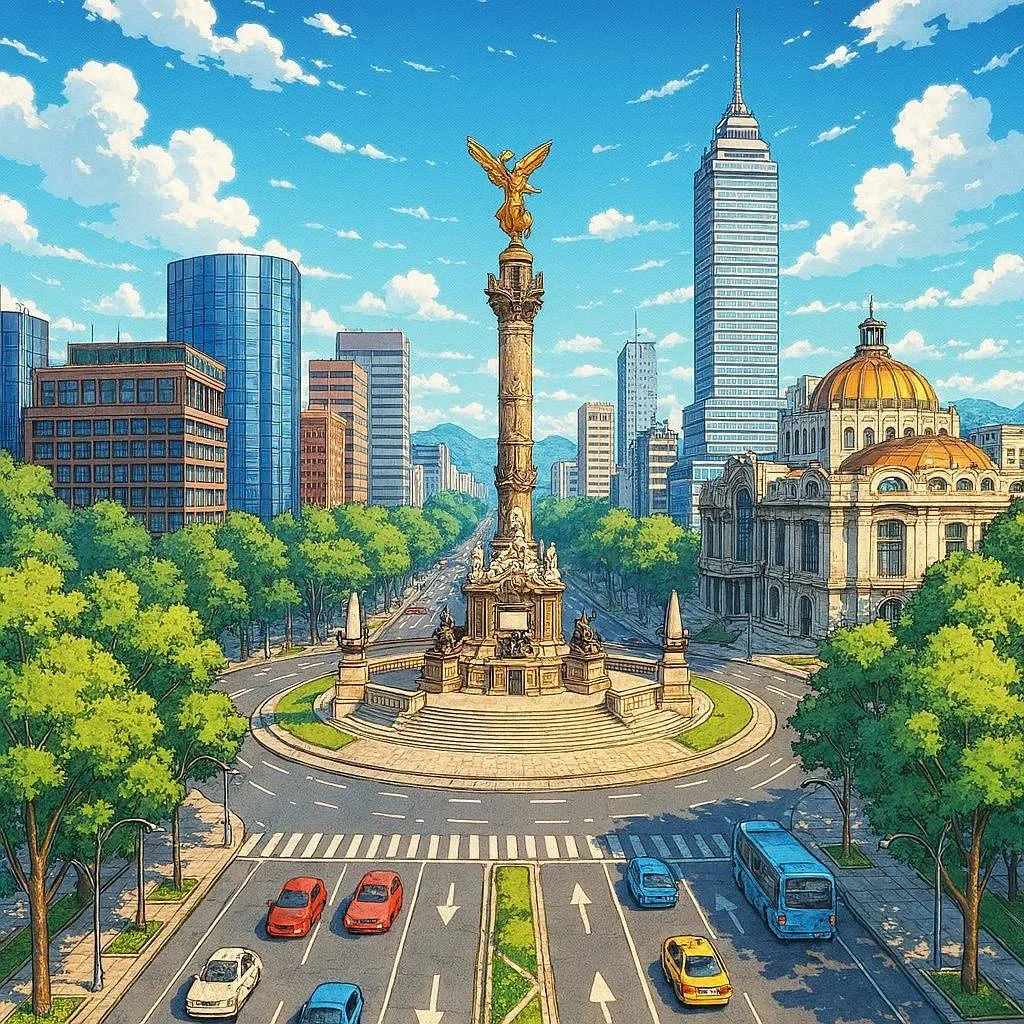
Today, Mexico City is one of the largest cities in the world, with millions of inhabitants, enormous avenues, skyscrapers, museums, and neighborhoods that seem to go on forever. But the most astonishing thing is that much of this immense city was built on the place where, centuries ago, there was a huge lake. It seems impossible to imagine a great capital built on water, and that is precisely why it belongs in the category of Impossible Cities.
A city in the middle of the water
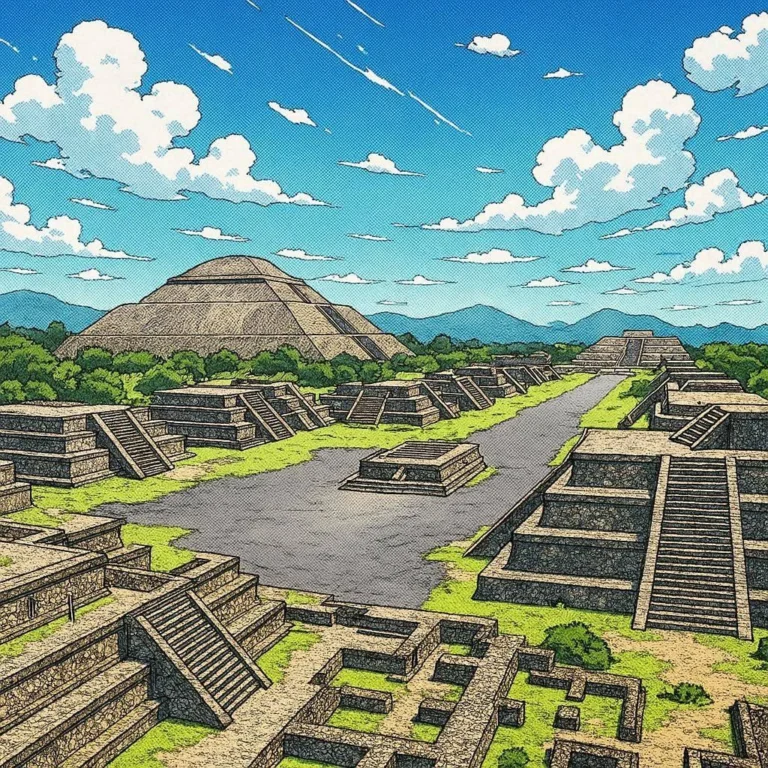
More than 700 years ago, the Mexica were looking for a place to found their new city. According to an ancient legend, they were supposed to settle where they saw an eagle perched on a cactus while holding a snake. They found that sign on a small island located in Lake Texcoco. There they decided to build Tenochtitlan, the city that would eventually become the heart of a great empire.
The location did not seem like the most suitable place to build a city. There was water everywhere and the land was small. However, the Mexica showed an enormous ability to adapt. They built bridges to connect the island to the shore, raised dikes to control the water, and created canals through which they traveled in canoes. Instead of streets full of carts, many people traveled by boat.
A clever farming system
Since there was little land for farming, the inhabitants invented chinampas, artificial islands built with earth, branches, and plants. On them they grew corn, tomatoes, flowers, and many other vegetables. Thanks to this system, Tenochtitlan could feed hundreds of thousands of people and became one of the largest cities in the world of its time.
European travelers who visited it in the 16th century were amazed. They said it looked like a city floating on the water, with great temples, huge markets, and canals full of boats. For many, it was one of the most impressive cities they had ever seen.
A city that changed forever
In 1521, the Spanish conquered Tenochtitlan. After that, they began to build a new city on its ruins. Little by little, they filled in the canals and drained much of the lake to gain land on which to build churches, plazas, and buildings. Over the centuries, the lake almost disappeared, but the city kept growing in exactly the same place.
Although little visible water remains today, the ancient lake is still beneath the ground. That causes a very curious problem. Since the ground is soft and damp, some buildings slowly sink a little each year. Engineers are constantly working to keep many historic and modern structures stable.
An impossible city
Mexico City shows that people can completely transform a landscape. First, the Mexica were able to build a great city in the middle of a lake thanks to their ingenuity. Later, the Spanish built another city on top of that first one, filling in part of the water and creating a new capital that has continued to grow.
Today it is hard to imagine that beneath many of its streets there were once canals through which canoes sailed hundreds of years ago. However, that ancient history still lies hidden beneath the asphalt. Few cities in the world have such an extraordinary origin. Building a great capital on a lake seemed like an impossible idea, but Mexico City shows that, with ingenuity and hard work, even the most difficult places can become home to millions of people.