
Catatumbo
What is the Catatumbo Lightning?
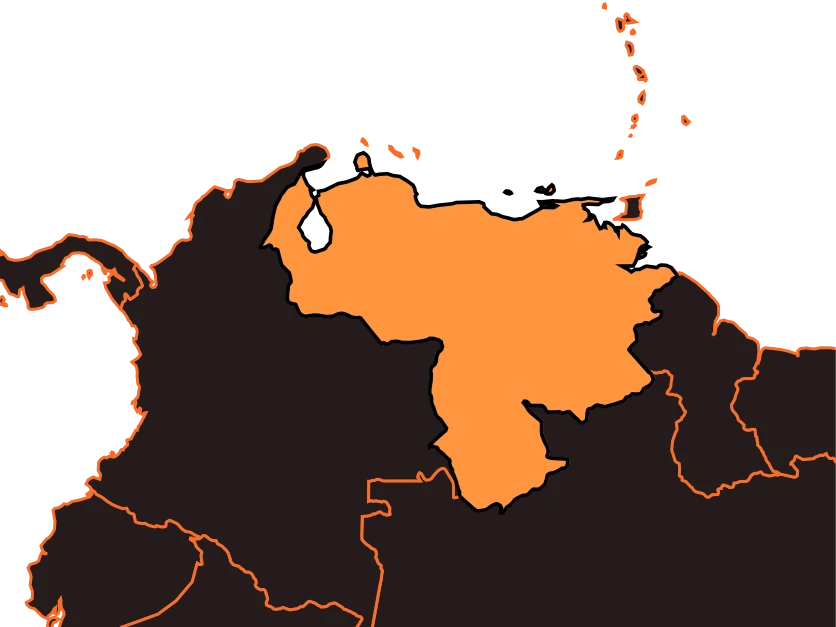
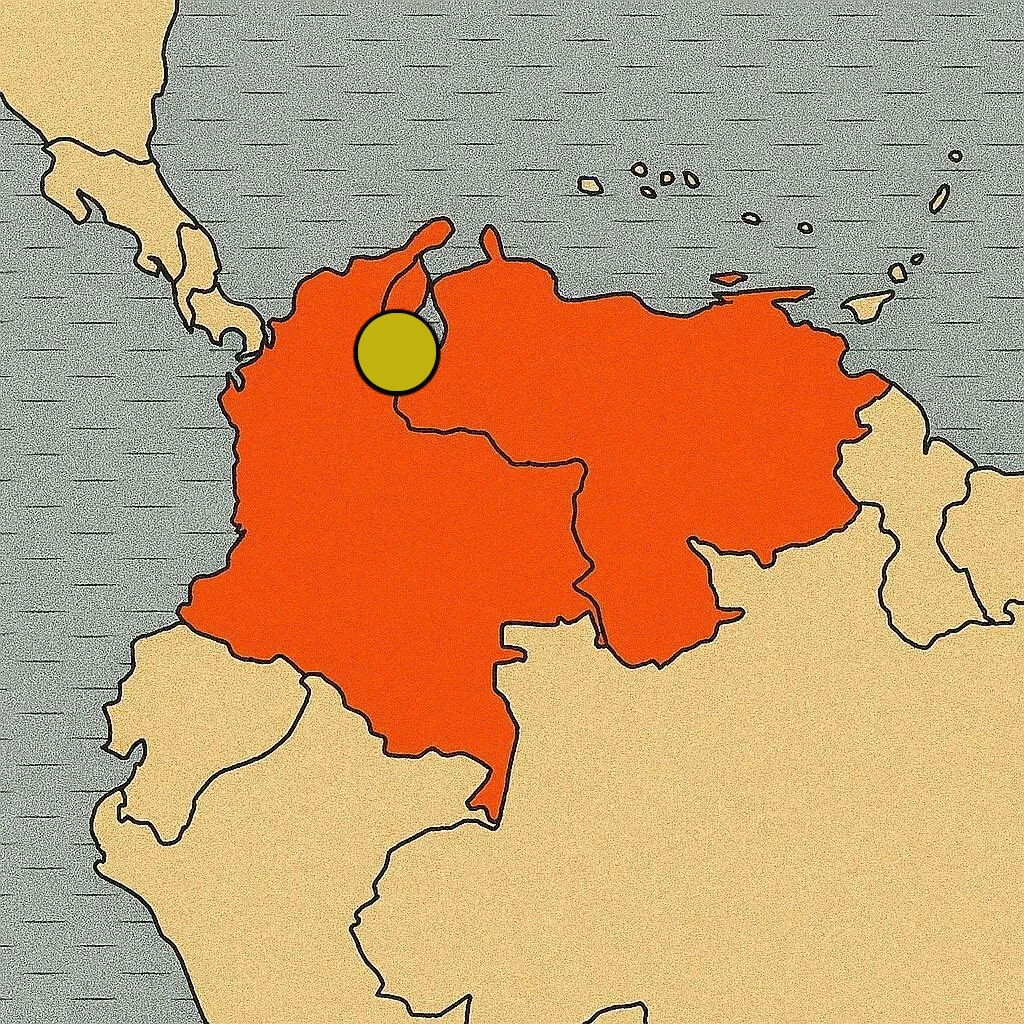
The Catatumbo Lightning is one of the most astonishing natural phenomena on the planet. It occurs in Venezuela, near the mouth of the Catatumbo River, where it flows into Lake Maracaibo, in the state of Zulia. In this place, the sky lights up with thousands of lightning bolts for many nights each year. Due to its huge number of electrical discharges, this phenomenon is known worldwide and attracts the attention of scientists, tourists, and curious people who want to see one of nature’s most impressive spectacles.
Where does it occur?
The Catatumbo Lightning takes place on Lake Maracaibo, the largest lake in South America. This lake is surrounded by mountains, especially part of the Andes range. Also nearby is the Caribbean Sea, which provides warm, humid air.
The combination of mountains, water, and warm air creates the ideal conditions for large storm clouds to form. When warm, moist air rises and meets colder air, enormous clouds charged with electricity appear. Then the lightning begins.
Thanks to these features, the Catatumbo Lightning occurs much more frequently than in other parts of the world.
What are these lightning bolts like?
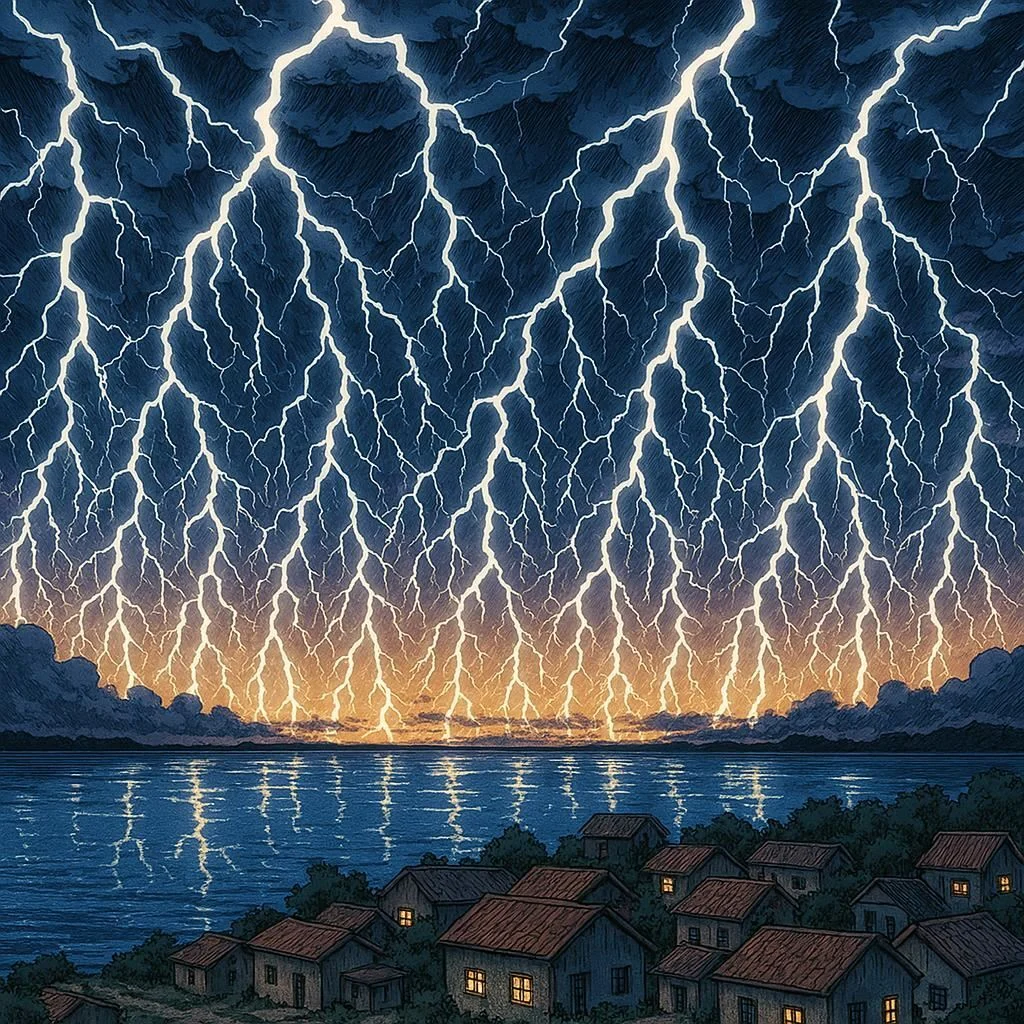
Unlike a normal storm, the Catatumbo Lightning can last for many hours in a row. During the night, the sky lights up again and again with very bright flashes that can be seen from many kilometers away.
Many of these lightning bolts occur at high altitude. For this reason, sometimes people can see the light but barely hear the thunder. This makes the spectacle even more astonishing.
The lightning bolts illuminate the clouds and the landscape as if it were daytime for a few seconds. Then everything goes dark again until another flash appears.
A phenomenon known for centuries
Although today there are satellites and modern instruments to study it, the Catatumbo Lightning was already known many, many years ago.
The indigenous peoples who lived near the lake observed this spectacle since ancient times. Later, explorers and sailors also wrote about those lights that appeared almost every night over the lake.
For centuries, this phenomenon has been part of the region’s history and culture. Many people consider it one of Venezuela’s great natural symbols.
Why is it important for scientists?
Scientists study the Catatumbo Lightning because it helps them better understand how storms form and how electricity works in the atmosphere.
Thanks to their research, they can learn more about climate, clouds, and weather changes. All that information helps improve meteorological studies and better understand our planet.
Some experts have even wondered if one day it might be possible to harness some of the energy from these lightning bolts. However, for now it is a very difficult idea to carry out, since the electrical discharges are very fast, very powerful, and occur unpredictably.
The Catatumbo Lightning: The place with the most lightning in the world!
This phenomenon occurs between 30 and 50 times per year. Each storm season can last several hours each night, and can even go on for about ten hours straight. Scientists estimate that around 1.2 million lightning bolts occur in this area each year.
The Catatumbo Lightning has important worldwide recognition. The Guinness World Record recognizes it as the place with the highest concentration of electrical discharges on the planet. For this reason, we at SuperGeoKid call it the world champion of lightning!