
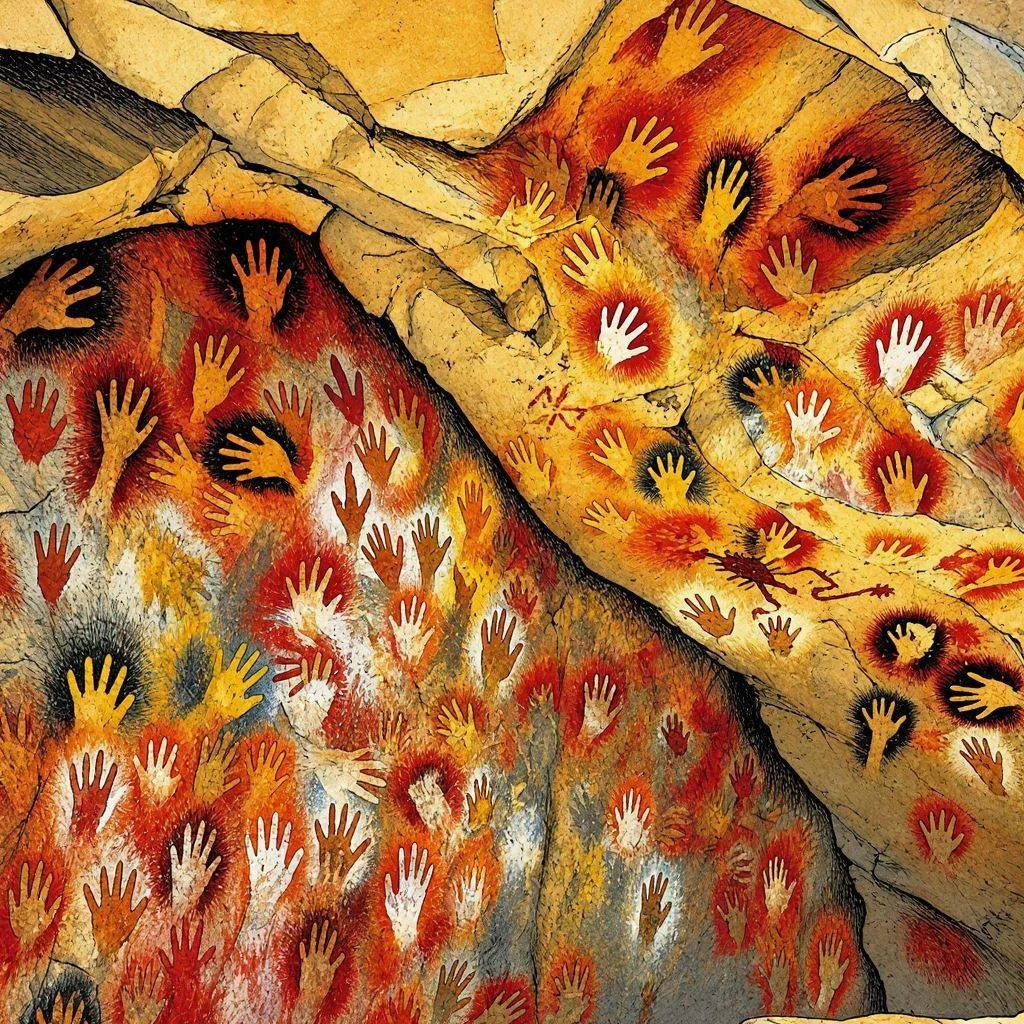
Cave of the Hands
The mystery of the hands that still greet us from the past.
In southern Argentina there is a cave where the walls are covered with hundreds of hands painted thousands of years ago. Thousands of painted hands dating back as far as 13,000 years cover the walls of this cave. An adventure to discover how the first inhabitants of Patagonia lived and their mysteries.thousands of years ago. Some are small, others large, and almost all seem to be saying: “Hello!” The Cave of the Hands is one of the most amazing places in South America and a real adventure for those who enjoy discovering the mysteries of the past.
What is most incredible is that many of these paintings are between 9,000 and 13,000 years old. They were created long before the pyramids of Egypt or the Roman Empire existed.
A prehistoric art gallery
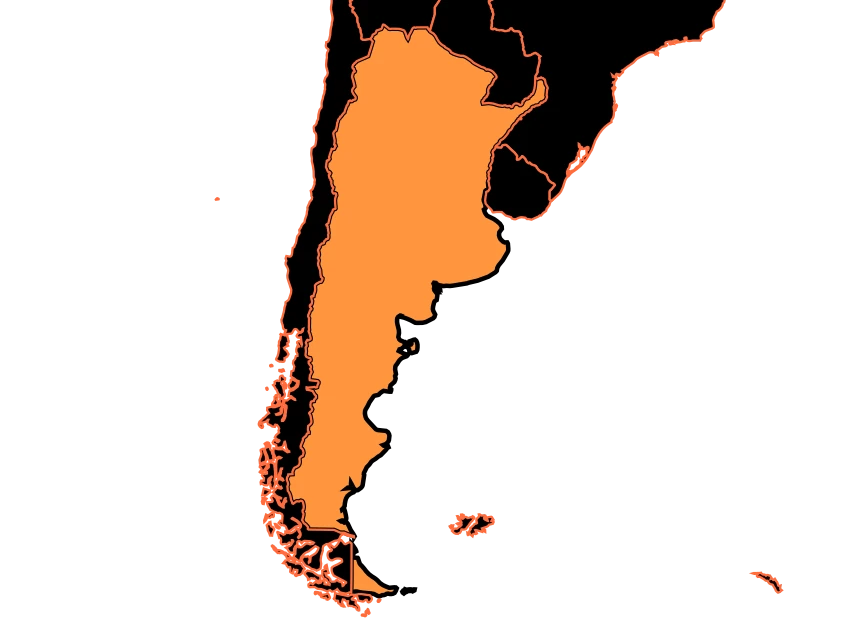
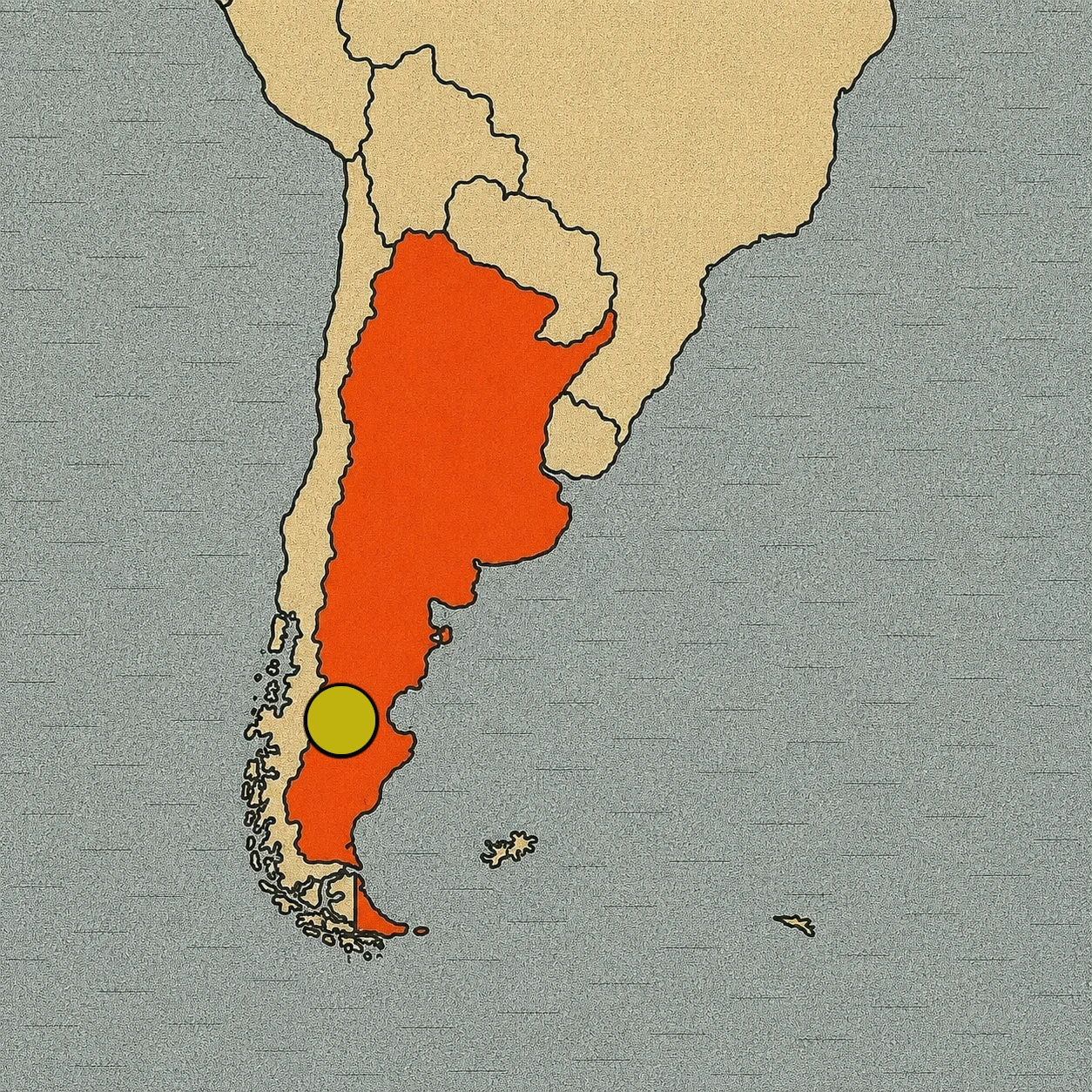
The cave is located in a canyon in the province of Santa Cruz, next to the Pinturas River. Its walls preserve hundreds of hand silhouettes made by the region’s first inhabitants.
Most are left hands. The artists placed one hand against the rock and blew colored pigments through a hollow bone or a small tube. When they removed their hand, its silhouette remained perfectly marked, as if they had used a giant spray can thousands of years before it existed.
In addition to hands, there are also drawings of animals, hunting scenes, and geometric figures that help archaeologists understand how those people lived.
Who left these marks?
No one knows the names of those who painted the cave walls. They were groups of hunters who traveled across Patagonia following the animals they depended on for food.
Scientists believe the paintings may have had different meanings. Perhaps they served to celebrate a hunt, to teach younger people, or as part of important ceremonies. Although there are many theories, their true meaning remains a mystery.
An adventure for young explorers
Visiting the Cave of the Hands is like becoming an archaeologist for a day. Every drawing invites questions. Whose hand was that? How old was the person who left it? What was their life like in a world full of wild animals?
As you walk along the trail that leads to the cave, you can imagine those ancient inhabitants walking through the same valley thousands of years ago. It is a very special feeling, because you are looking at exactly the same paintings they left for the future.
It is hard to find another place where the past feels so close. The hands are still there, waiting for someone to discover them once again.
A treasure for learning about prehistory
The Cave of the Hands was declared a UNESCO World Heritage Site because it preserves one of the most important collections of rock art on the planet. Thanks to these paintings, researchers have learned a great deal about the people who lived in South America thousands of years ago.
Each drawing is a small clue that helps reconstruct a story that does not appear in any ancient book, because it was created long before writing existed. There is no need to imagine dragons or look for hidden treasures: the real mystery is painted on the rock walls.
Standing before those ancient hands, it is impossible not to raise your own hand to compare it. They may not be the same size, but they both share something very special: the desire to leave a mark that can be discovered by someone many years later.