
Patagonia
The land where the largest dinosaurs in the world walked.
More than 90 million years ago, Patagonia was a very different place from the one we know today. Where there are now steppes, mountains, and glaciers, huge forests crossed by rivers grew, and among them walked some of the most gigantic animals that have ever existed. In this region of southern Argentina, fossils of dinosaurs so enormous have been discovered that even scientists were surprised when measuring them.
That is why Patagonia is much more than a spectacular landscape. It is one of the most important places on the planet for understanding what life was like during the Age of Dinosaurs and a true natural treasure for paleontology.
A museum buried beneath the earth
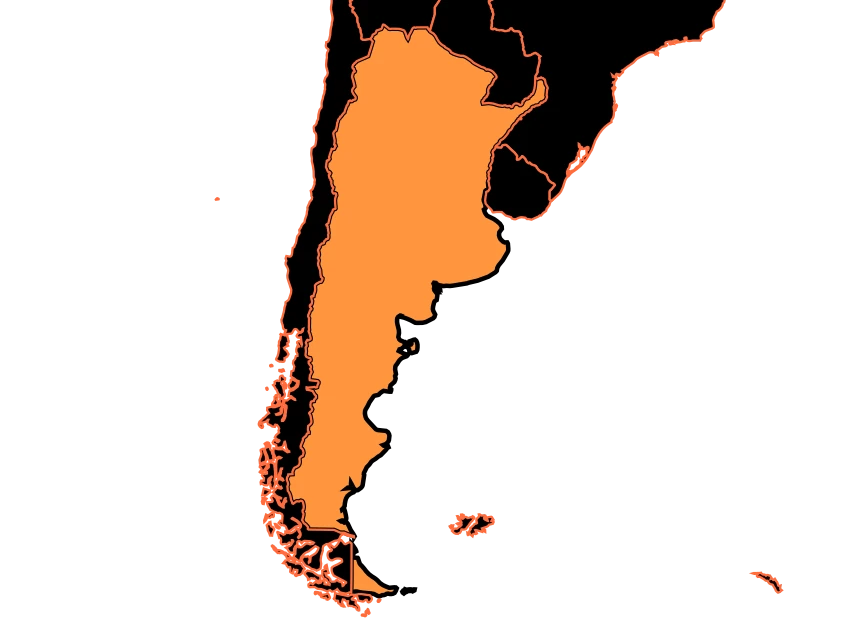
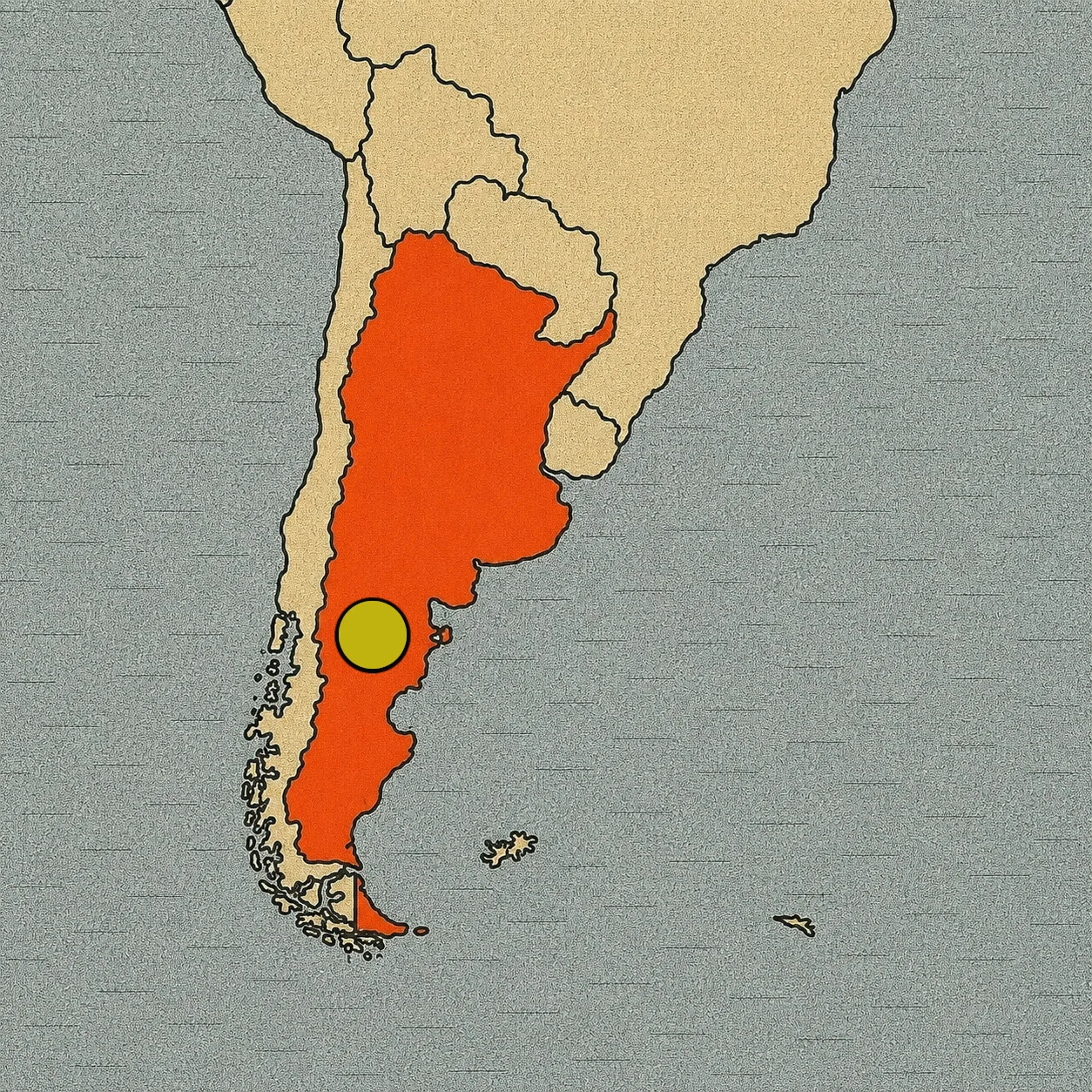
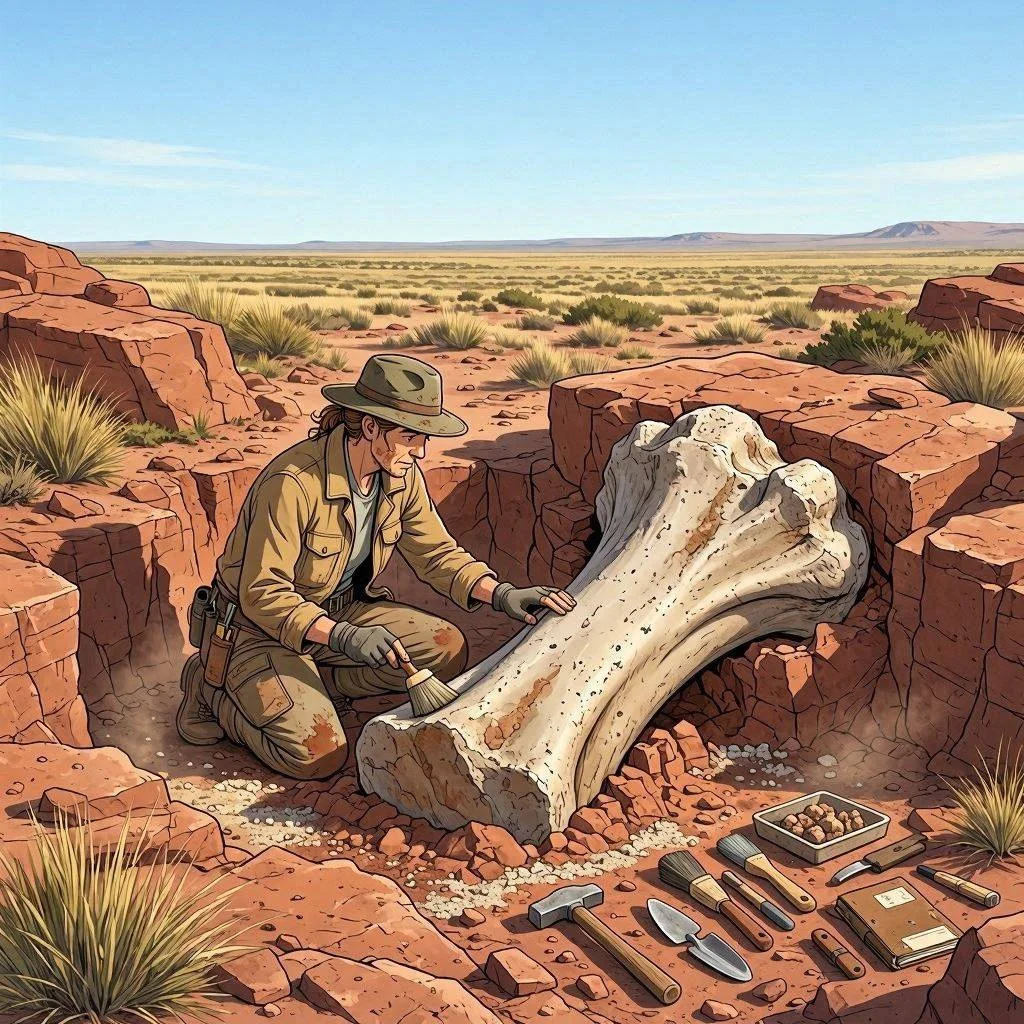
Patagonia covers a vast expanse in southern Argentina and Chile, but it is especially in Argentine territory where some of the most extraordinary discoveries have appeared. Over millions of years, sediments covered the remains of animals and plants, preserving them as if nature had built a giant museum underground.
Over time, erosion caused by wind and rain exposed many of those fossils. That is how some of the world’s most important paleontological discoveries began.
Each expedition can find a new bone, a footprint, or even a dinosaur unknown to science. Even today, fossils continue to appear that help reconstruct the history of our planet.
The giants of Patagonia
Among the dinosaurs discovered, the Patagotitan stands out, considered one of the largest land animals that have ever existed. It is estimated to have exceeded 35 meters in length and weighed around 70 tons, more than a dozen African elephants combined.
Another of the colossi found in the region is the Argentinosaurus, a gigantic long-necked dinosaur that also competes for the title of the largest dinosaur known.
But not all of them were peaceful herbivores. The Giganotosaurus also lived in Patagonia, one of the largest predators ever to walk the Earth. It measured more than 13 meters in length and was even longer than the famous Tyrannosaurus rex.
These discoveries have made Argentina one of the most important countries in the world for studying dinosaur life.
The detectives of the past
When a paleontologist finds a fossil, they do not discover a complete dinosaur. Usually, only some bones, teeth, or vertebrae buried in rock are found. From those pieces, scientists work like true detectives.
They compare the bones with known ones, study their shape, and calculate the animal’s size. Then they reconstruct how it walked, what it ate, and what the world it lived in was like.
Each fossil found in Patagonia is a new clue to help solve the great puzzle of the history of life on Earth.
A Unique Natural Treasure
Many of Patagonia’s fossil sites are protected because they are part of a scientific heritage of enormous value. Fossils are not simple stones: they are natural records that make it possible to learn about a past that disappeared tens of millions of years ago.
Thanks to them, we know that this region was inhabited by some of the largest animals that ever existed and that it still holds secrets waiting to be discovered.
A Natural Treasure
Patagonia belongs to the Natural Treasure category because it preserves one of the most important paleontological heritages on the planet. Few places have yielded so many discoveries about the giant dinosaurs that dominated Earth millions of years ago.
When a child looks at the skeleton of a Patagotitan in a museum or imagines a Giganotosaurus crossing those ancient forests, they understand that Patagonia is not just a corner of southern America. It is an open window to a lost world where some of the most impressive giants that have ever existed once lived.