
Ischigualasto
The Valley of the Moon: where the age of the dinosaurs began.
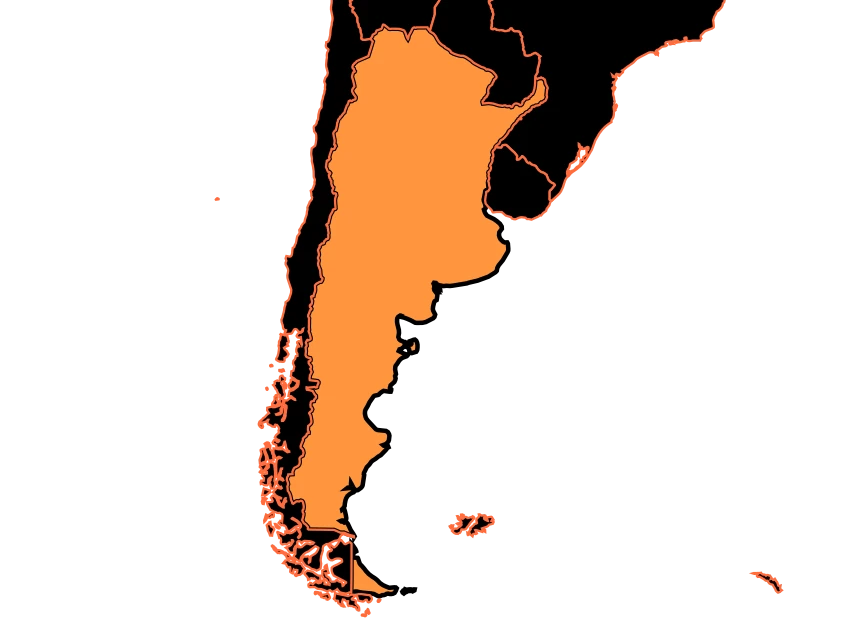
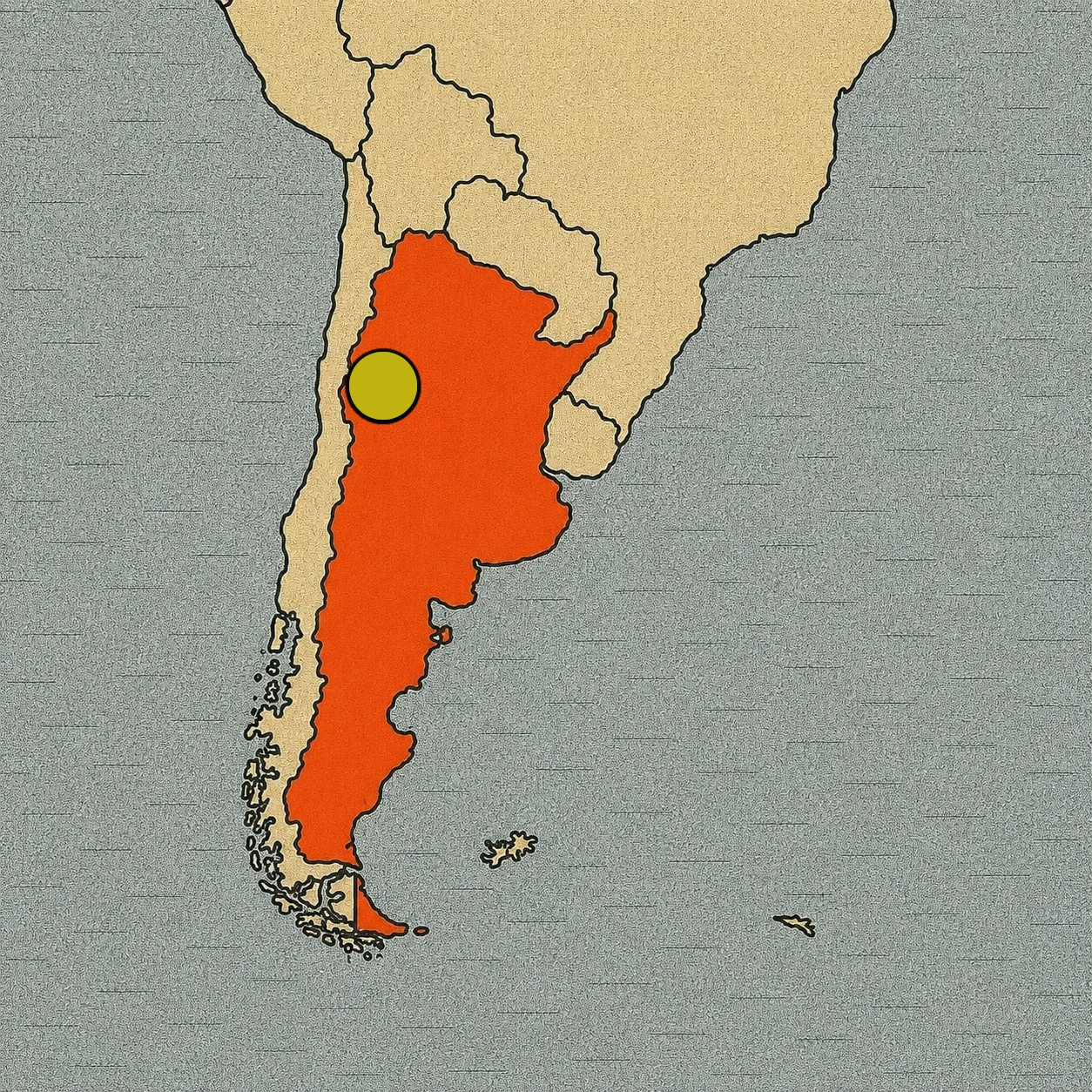
There are places where it feels as if you have left Earth without needing to board a spaceship. One of them is Ischigualasto, also known as the Valley of the Moon, in the Argentine province of San Juan. Its colorful rocks, eroded mountains, and strange formations make many visitors feel as though they are walking on the surface of another planet.
But this landscape holds an even more surprising secret. Beneath its stones, some of the oldest known dinosaurs have been found—animals that lived more than 230 million years ago, when the world was completely different from today.
A landscape that looks lunar
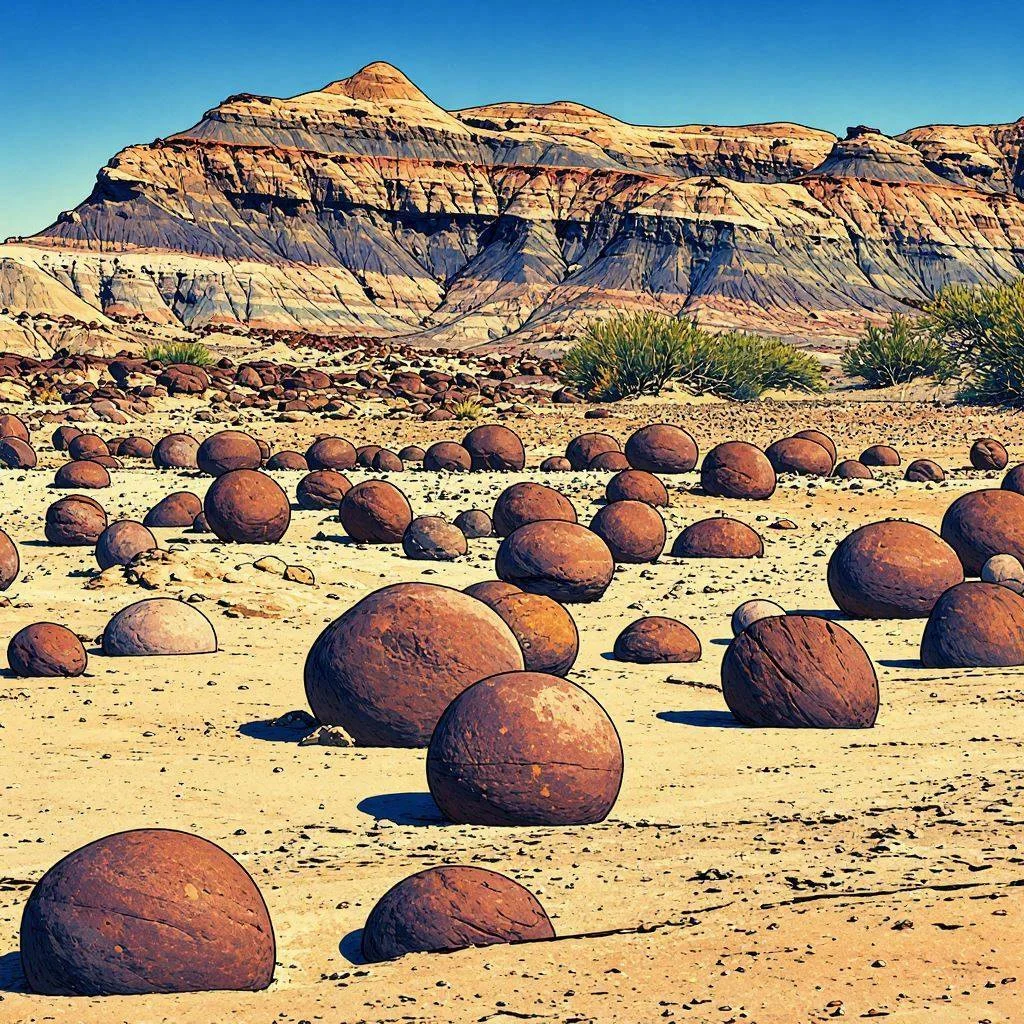
The first thing that catches the eye in Ischigualasto is its appearance. The ground is made up of vast stretches of bare rock where hardly any plants grow. The colors shift from gray to red, from white to ochre, while wind and rain have carved shapes so strange that it is hard to believe they were made by nature.
As you travel through the park, enormous stone walls, rounded hills, and formations with curious names appear, such as El Hongo, a gigantic rock balanced on a much narrower base, or La Cancha de Bochas, where huge stone spheres seem to have been carefully placed by giants.
The absence of trees, the silence, and the immensity of the landscape make it easy to imagine that you have landed in an unknown world.
The museum of the Earth
Although the landscape is already impressive on its own, Ischigualasto is also one of the most important places on the planet for paleontology. Its rocks preserve extraordinarily well-preserved fossils that make it possible to study what life was like when dinosaurs were just beginning to appear.
Here, skeletons of some of the oldest known dinosaurs were discovered, along with reptiles and other animals that lived long before giants such as Tyrannosaurus or Triceratops existed.
Thanks to these findings, scientists have been able to reconstruct a fundamental part of the history of life on Earth and understand how the first dinosaurs evolved.
Millions of years written in the rocks
The mountains and valleys of Ischigualasto are like a huge geology book. Each layer of rock tells a different story about ancient rivers, volcanoes, deserts, and climate changes that took place over millions of years.
Walking through this place is like moving through pages of the planet’s history. Every rock and every fossil help researchers discover what Earth was like when the continents were still united in a single supercontinent called Pangaea.
A landscape that changes with the light
One of the most spectacular times to visit Ischigualasto is at sunrise or sunset. When the sun lights the mountains with low-angle light, the rocks take on orange, violet, and golden tones that make the landscape seem even stranger.
The long shadows transform the shapes of the mountains, and the rocks look like giant sculptures scattered across a vast, empty plain. It is not hard to understand why it was given the name Valley of the Moon.
A place from another planet
Ischigualasto belongs to the Out of This World category because very few places in the world offer such a surprising combination of extraterrestrial landscapes and natural history. Its impossible shapes, its colors, the silence of the desert, and its enormous rock formations make you feel as though you are exploring the surface of a distant planet.
However, the most incredible thing is that all of this happened here, on Earth. While it looks like a landscape straight out of science fiction, beneath its stones lie some of the fossils that tell the beginning of one of the most fascinating adventures of our planet: the appearance of the first dinosaurs.