


Venice
Venice is one of the most famous cities in the world, but also one of the most surprising. Instead of streets full of cars, it has canals where boats and gondolas navigate. Many people reach their homes by walking over bridges or traveling on small vessels.
That is why Venice belongs to the category of impossible cities. Building a large city on a group of small islands seems incredible, but its inhabitants achieved it over a thousand years ago.
A city on the water
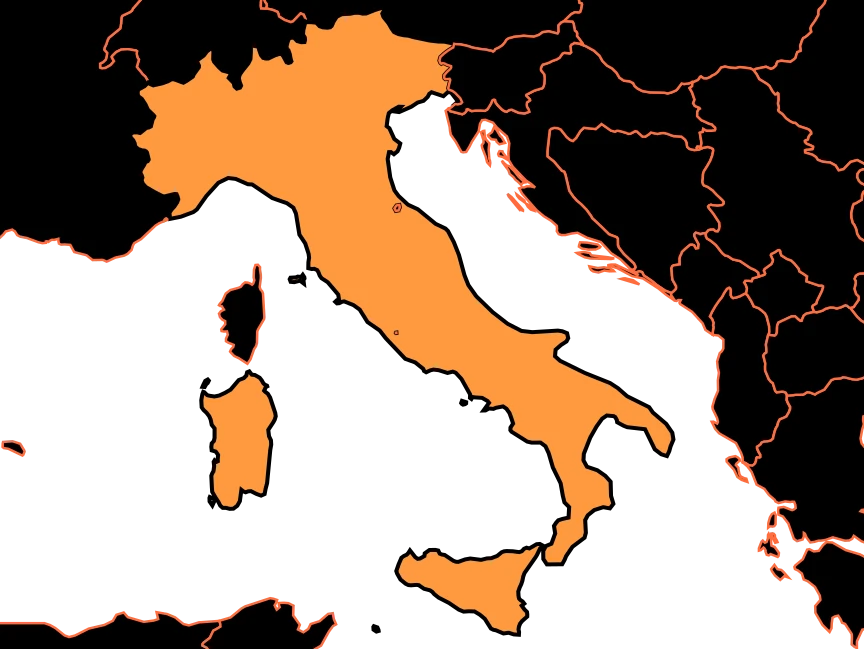
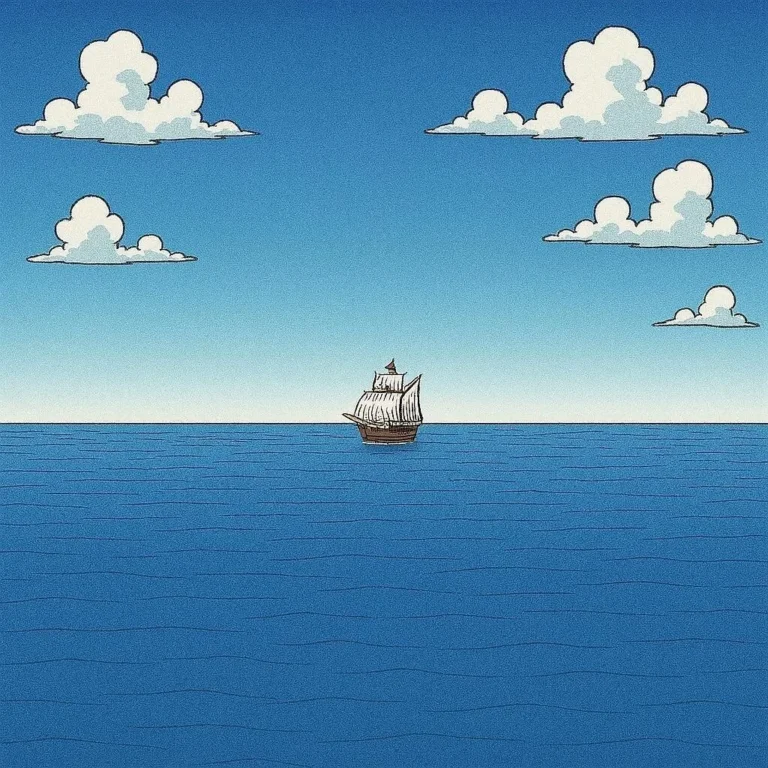
Venice is located in northeastern Italy, within a large lagoon connected to the Adriatic Sea. The city is made up of more than a hundred small islands separated by canals.
To connect them, more than 400 bridges were built. Thanks to them, people can walk through much of the city without needing to use a boat.
What draws the most attention is that cars barely circulate. Instead, gondolas, water taxis, and other boats do the work that automobiles perform in other cities.
How was Venice built?
The big question many people ask is: how can a city be sustained on water?
Many centuries ago, the first inhabitants drove millions of wooden logs into the bottom of the lagoon. These logs were buried under mud and water, where almost no oxygen reaches. On that enormous wooden foundation, they placed stone platforms and, on top of them, began to raise buildings, churches, and palaces. It may seem strange, but those logs have been supporting the weight of the city for hundreds of years.
Canals instead of streets
The Grand Canal is Venice’s main waterway. It is shaped like a giant letter “S” and crosses a large part of the city. Transport ships, ambulances, water taxis, and even boats that deliver food or collect garbage navigate along it. In Venice, almost everything moves by water.
The famous gondolas also travel these canals. Although they were once a very common means of transportation, today they are used mainly for sightseeing and enjoying the scenery.
A city full of history
Venice began to grow about 1,500 years ago. Many people sought refuge on the small islands of the lagoon to protect themselves from attacks suffered by nearby cities.
Over time, Venice became one of the most important commercial cities in Europe. Its ships sailed the Mediterranean Sea, carrying silk, spices, and other very valuable products. Thanks to trade, the city grew wealthy, and magnificent palaces, churches, and squares were built that can still be admired today.
The most famous square
One of the best-known places is St. Mark’s Square. There you will find some of the city’s most important buildings, such as St. Mark’s Basilica and the Doge’s Palace.
Thousands of people visit this square every day to admire its architecture and enjoy the atmosphere. Very close by is also the famous Bridge of Sighs, one of the most photographed spots in Venice.
Every street and every canal hide buildings with centuries of history.
A city that fights against the water
Living on a lagoon also presents difficulties. At certain times of the year, the water level rises and some areas of the city can flood. To protect Venice, large mobile barriers have been built that help prevent the highest tides from entering the lagoon. Additionally, the buildings require constant maintenance to remain in good condition after so many centuries surrounded by water.
An impossible city
Venice shows that people can build truly extraordinary places. Building a city on dozens of small islands, connecting them with hundreds of bridges, and turning canals into streets was an idea that changed history.
Today it remains one of the most admired places on the planet. Its mix of water, architecture and history makes it seem like a city from a fairy tale.
For all this, Venice belongs to the impossible cities: places so special that they seem to defy the rules of nature and are almost impossible to replicate in any other corner of the world.