

Mount Etna
What would it be like to walk through a landscape covered in black lava, smoking craters, and rocks that seem to have come from the Moon? That is what many people feel when they visit Mount Etna, the highest and most active volcano in Europe. In some places there are barely any plants and the terrain seems to belong to a distant planet.
That is why Etna seems like a place from another planet. Its volcanic landscapes are so different from what we see every day that it’s hard to believe they are on Earth.
A Giant of Sicily
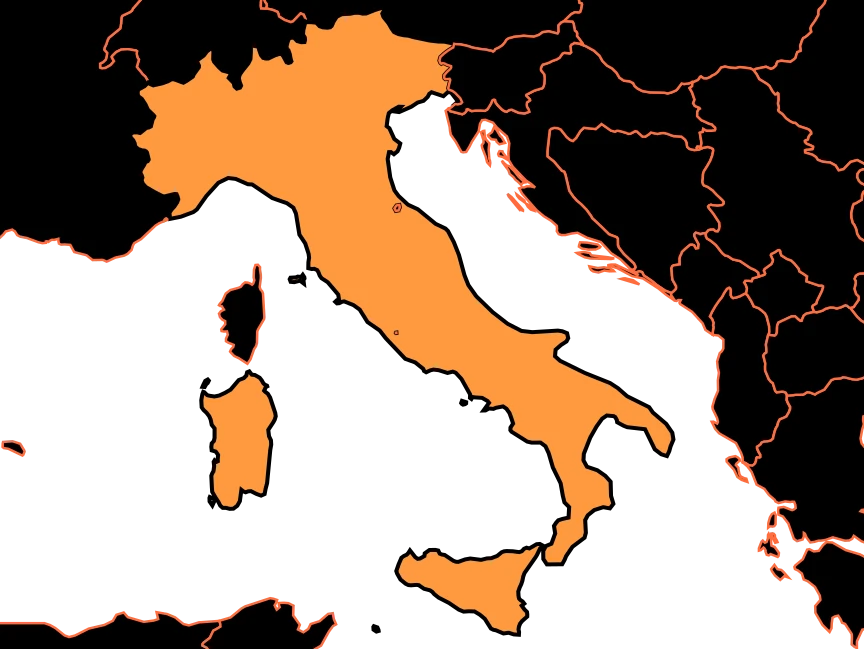
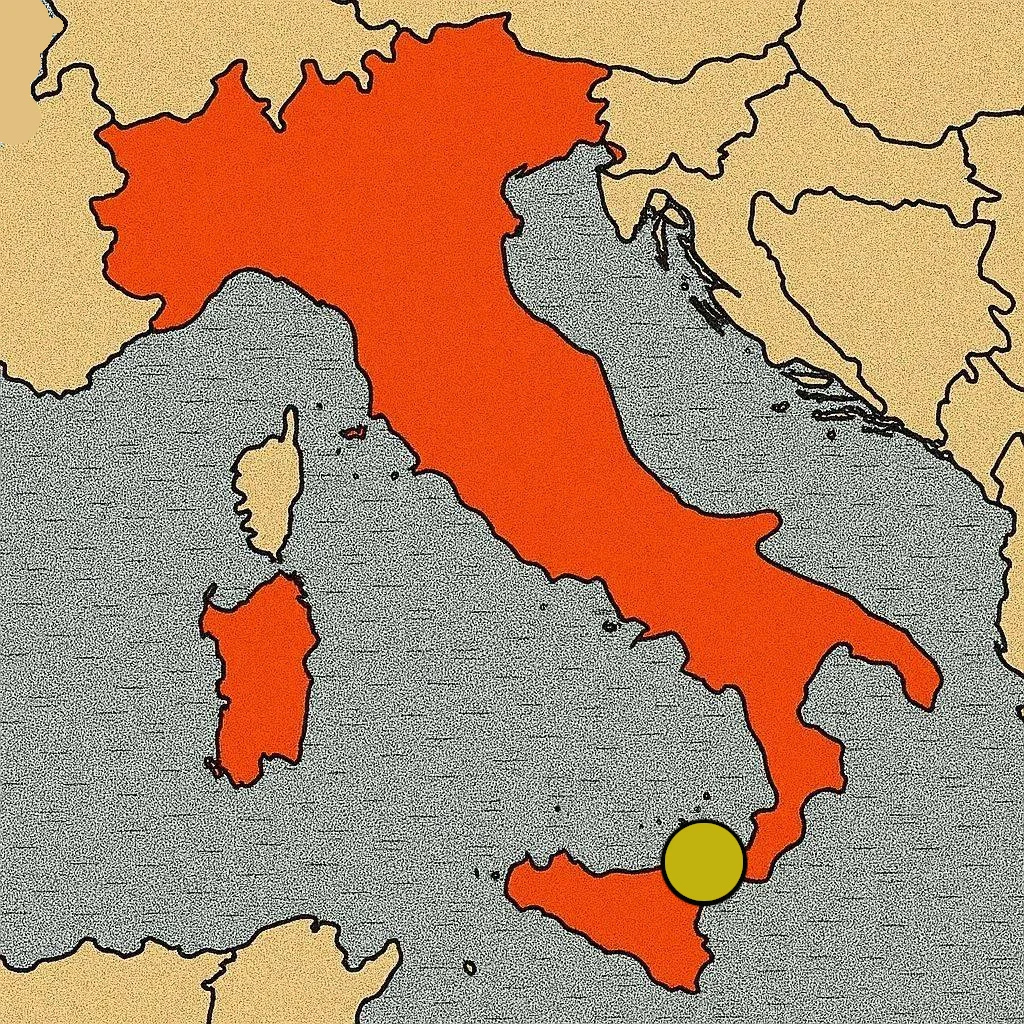
Mount Etna is located on the island of Sicily, in southern Italy. At over 3,300 meters in height, it dominates the landscape and can be seen from many kilometers away.
Its height changes over time because eruptions add new layers of lava or modify the shape of the mountain. That is why it never looks exactly the same. Etna has been active for hundreds of thousands of years and continues to awaken frequently.
A landscape of lava
As you approach the volcano, the landscape changes completely. In many areas, trees disappear and huge fields of black volcanic rock appear. Lava, when it comes out of the volcano, is so hot that it can exceed 1,000 degrees. As it cools, it turns into stone and creates terrain full of strange shapes and rough surfaces. Walking through these lava fields makes many people feel like they are exploring another world.
Craters everywhere
Although the large crater at the summit is the most famous, Etna has hundreds of small craters scattered across its slopes. Some were born during ancient eruptions and now remain calm. Others still emit gases or steam, reminding us that the volcano is still alive.
From the top you can see landscapes full of ash, volcanic rocks, and mountains of different colors that seem taken from an unknown planet.
A constantly changing volcano
Etna erupts quite frequently. Sometimes it shoots fountains of lava that light up the sky at night, while at other times it expels large columns of ash.
Each eruption transforms the landscape. Where there was once a path, a new lava flow may appear, and where a slope existed, a new crater may form. That is why Etna never stops changing. It is like a huge sculptor that modifies its own mountain over and over again.
Life returns little by little
Although lava destroys everything in its path, nature eventually returns. Over the years, small plants begin to grow on the volcanic rock. Later, shrubs, trees, and even animals appear that find food in this new landscape. This process shows how nature can recover even in the most extreme places.
A natural laboratory
Mount Etna is one of the most studied volcanoes in the world. Scientists from many countries observe its activity to better understand how volcanoes work.
Thanks to special instruments, they can measure small tremors, monitor gas emissions, and watch ground movements. All this information helps protect people living near the volcano. Etna allows us to learn a lot about the interior of our planet.
A place from another planet
Black rocks, rivers of solidified lava, huge craters, and columns of smoke form a landscape that seems taken from a space mission. It is not surprising that many movies and documentaries use Etna to represent distant worlds.
That is why Mount Etna belongs to those places from another planet. Although it is in Italy, walking its slopes makes one feel like they have traveled to a completely different corner of the Earth.